In October 2026, Apple’s streaming service released Tenzing, a film about Tenzing Norgay, one of the two climbers who first reached the summit of Everest. Based chiefly on Ed Douglas’s 2003 biography Tenzing: Hero of Everest, the film revisits an expedition whose history is already dramatic. A review published on November 18, 2026, argues that its biggest change is to the plan that made the ascent possible.
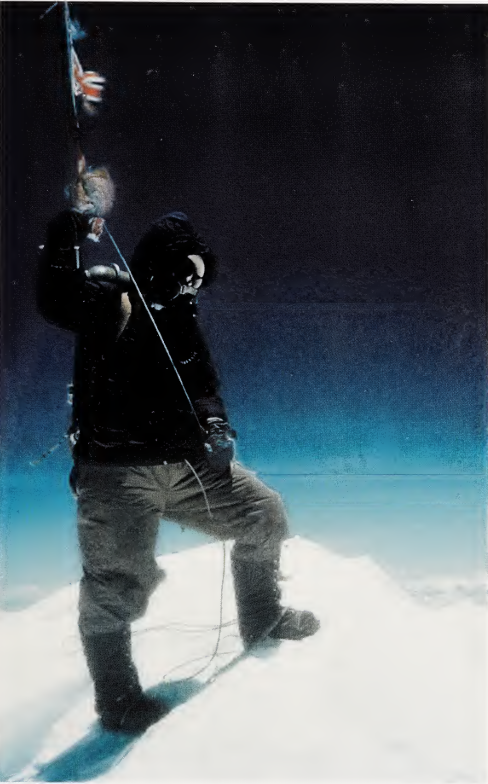
The 1953 British expedition, led by John Hunt, did not rely on a single attempt. In Hunt’s account, he planned two closely coordinated summit attempts: if the first pair failed, the second could proceed without withdrawing from the South Col. Charles Evans and Tom Bourdillon reached the South Summit on May 26 but turned back with too little oxygen to continue safely. Tenzing and Edmund Hillary then climbed from a higher camp, established with support from George Lowe, Alfred Gregory and Ang Nyima, and reached the summit on May 29.
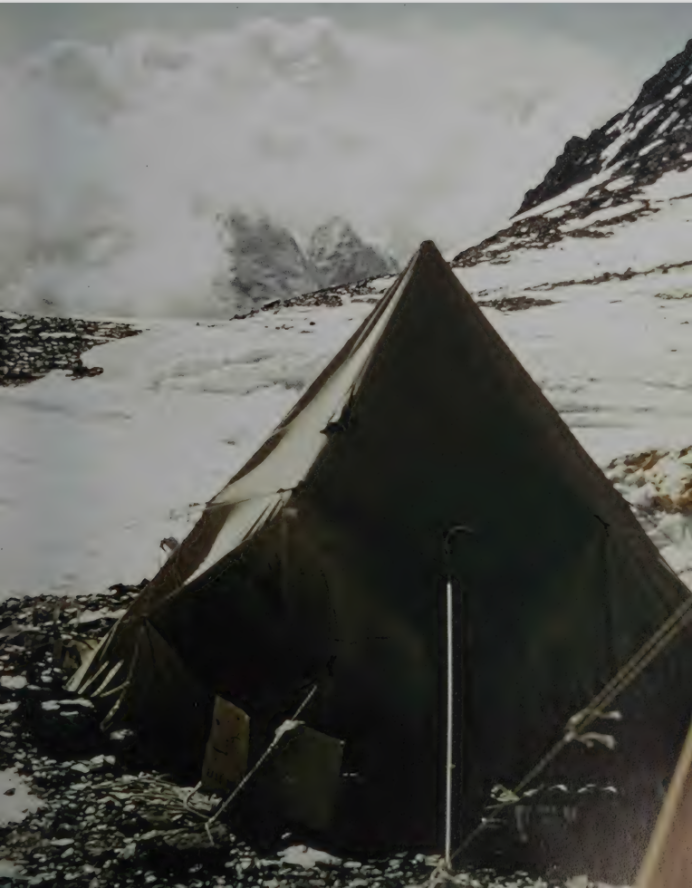
According to the review, the film instead presents the higher camp as an idea that Tenzing and Hillary persuaded Hunt to adopt after the first attempt failed. Hunt’s account says the second attempt was planned from the outset; he was already moving supplies upward before the first pair’s outcome was known. The review sees this change as diminishing the expedition’s collective planning in order to heighten its protagonists’ roles.
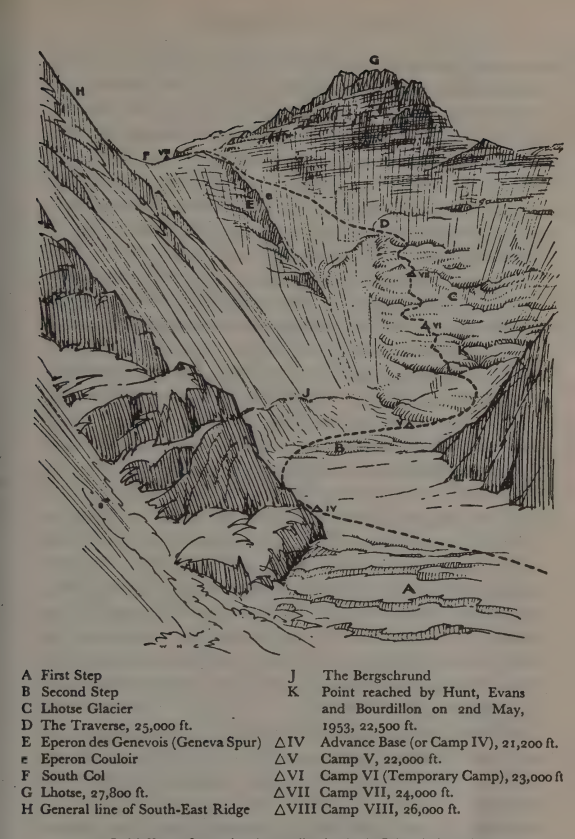
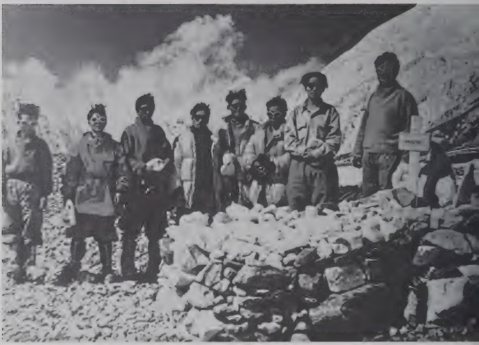
That collective effort is central to Tenzing’s story. He was both a prospective summit climber and the expedition’s head Sherpa guide. Drawing on participants’ memoirs, the review describes how he and Hillary helped move supplies to the South Col when progress had slowed, with Tenzing rallying the high-altitude porters. Thirteen of those porters reached the South Col and delivered about 340 kilograms of supplies, according to the review.
The review also cautions against taking every personal account at face value. Tenzing later said he was not unhappy about being assigned to the second summit pair, while Hillary recalled him seeming downcast and raising the question of Sherpa representation in the first pair. These recollections do not fully agree. Douglas’s biography, as the review describes it, examines such differences rather than treating any one memoir as the complete record.
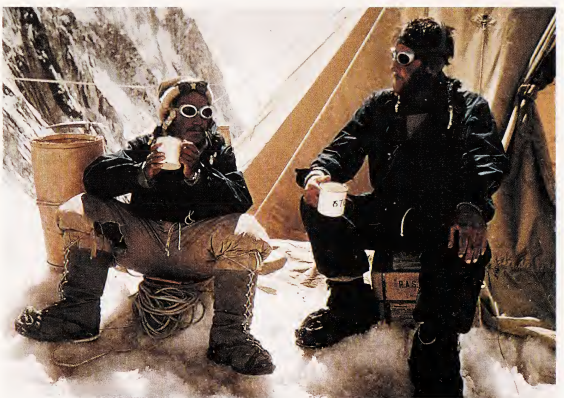
The film gets some details right, including Tenzing’s green beret, which teammate Wilfrid Noyce recalled. But the review’s larger point is that Everest’s first ascent needs no invented last-minute plan to be compelling: the summit depended on Tenzing and Hillary’s climb, and on the guides, porters, support climbers and logistical decisions that got them there.