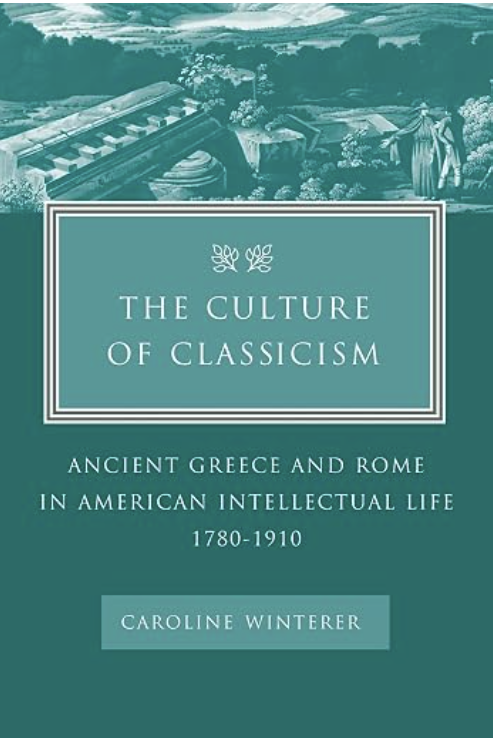
Originally published by The Paper on November 16, 2026. This is a retrospective account of the field, not a report of a newly announced policy.
The United States did not inherit ancient Greek and Roman civilization through a direct historical line. Its universities adopted and reshaped a tradition brought from Europe. In an essay on the history of classics in America, the author traces how classical education became a professional field—and why its boundaries remain unsettled.
In colonial-era colleges, Greek and Latin were part of an education intended to prepare students for learned professions, rather than training for a career studying antiquity. A different model took hold in the late nineteenth century, as American scholars brought research methods from German universities into an expanding system of specialized departments and graduate study. The American Philological Association, founded in 1869 and now called the Society for Classical Studies, and the Archaeological Institute of America, founded in 1879, helped establish professional communities for textual and material research.
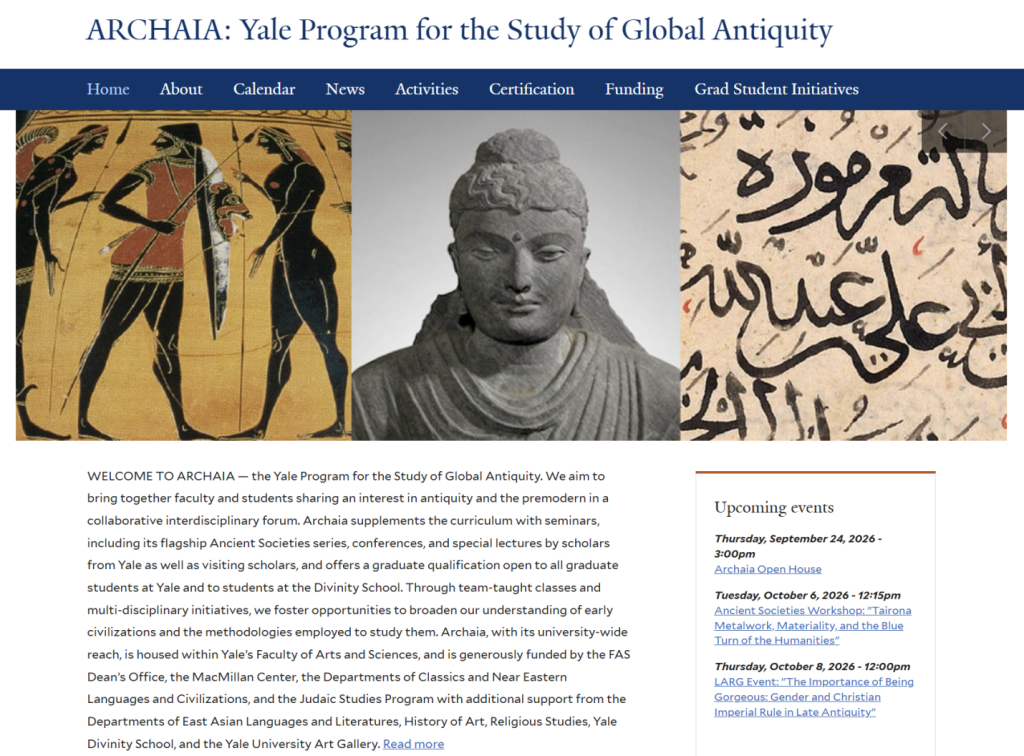
Today, the essay argues, there is no single American model of classics. Columbia University retains a classics department alongside an interdisciplinary Classical Studies Graduate Program established in the 1980s. New York University has both a classics department and its Institute for the Study of the Ancient World, founded in 2006. Yale offers joint doctoral training across disciplines, while its ARCHAIA program considers antiquity beyond Greece and Rome.
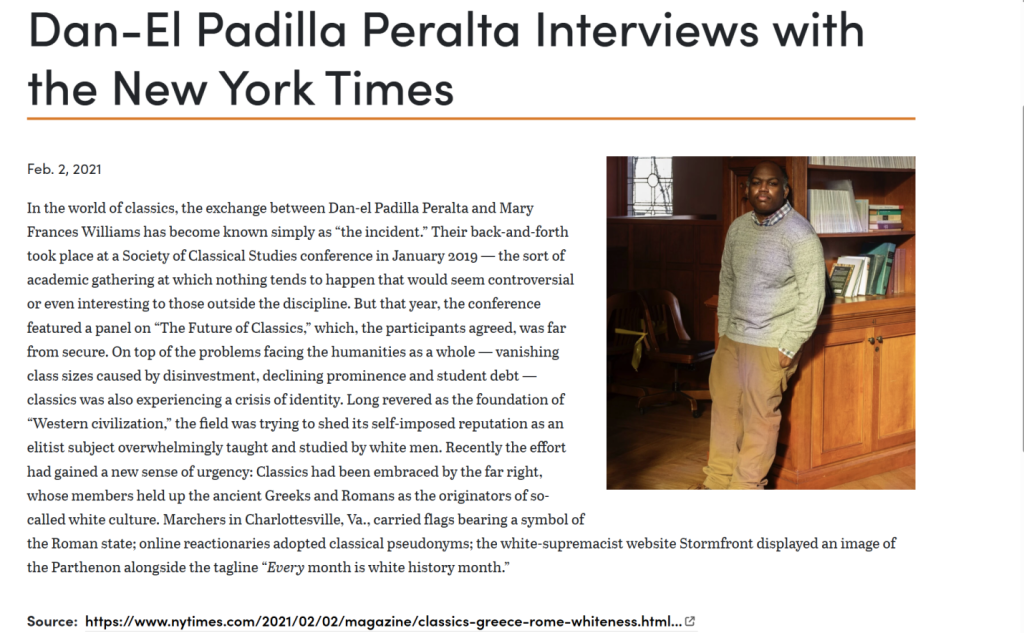
Changes in institutional names reveal different choices, not a uniform retreat from Greek and Roman studies. UC Berkeley decided in 2020 to rename its Department of Classics the Department of Ancient Greek & Roman Studies; the change took effect in 2021. In 2023, the University of Chicago renamed its Oriental Institute the Institute for the Study of Ancient Cultures, West Asia & North Africa. According to the essay, Chicago said the new name described its research more accurately and avoided the outdated term “Oriental.”
The author also distinguishes specialist training from broader access. Greek and Latin remain essential to some lines of research, but courses using translations and themes such as mythology, democracy and slavery can introduce students without prior language study to the ancient world. That matters, the essay suggests, because opportunities to study classical languages have historically been unequal. Its central question is not whether expertise should disappear, but how a field built around specialized knowledge can also serve a wider public.
Source: m.thepaper.cn (originally published 2026-11-16 14:56 UTC+8)