In a historical account published on November 18, 2026, historians Zhou Yongsheng and Lin Qiuyun examine jiangshou—a policy that rewarded farmers with access to scarce goods when they sold agricultural products through state channels. Focusing on Longxi Prefecture in Fujian, now part of Zhangzhou, they show how the policy helped the state procure food and export goods during the economic adjustment of the early 1960s, while also revealing the limits of central planning.
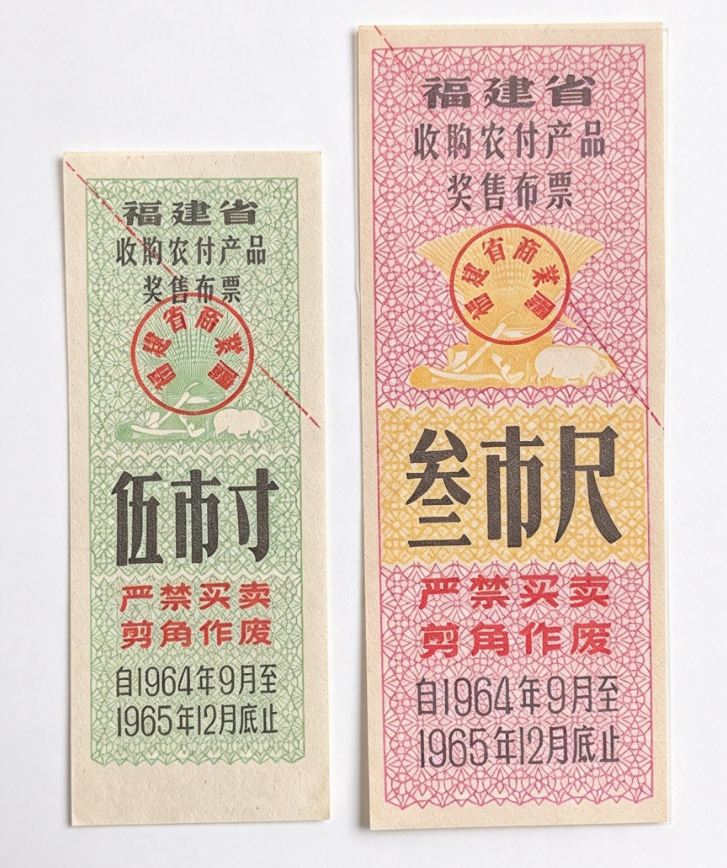
The rewards mattered because money alone could not always buy what farmers needed. In 1962, the state purchased roughly 15 billion yuan in agricultural products at official prices but supplied farmers with only 9.3 billion yuan in major goods at those prices. Under jiangshou, a farmer who delivered an eligible product could receive a voucher to buy such items as grain, fertilizer or cloth at official prices. The products sold and the reward goods were generally priced separately.
One 1964 dispute illustrates the stakes. A dairy factory in Zhangzhou was criticized for high production costs. It argued that local fresh milk was expensive to procure: 0.36 yuan per jin, compared with 0.23 yuan in Fuzhou and lower prices in several other Fujian localities. Fuzhou offered feed incentives to milk suppliers, while Quanzhou issued knitwear vouchers for milk deliveries. Zhangzhou offered no material reward regardless of the amount sold. The Zhangzhou factory proposed adopting an incentive for milk procurement; the account does not say that this proposal was enacted.
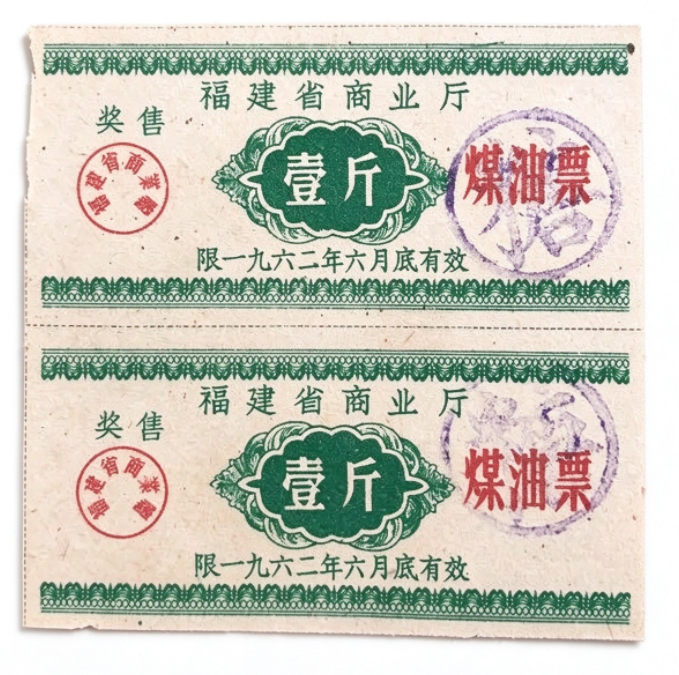
The system was tightly administered. Procurement targets and reward allocations passed through successive levels of government. Vouchers specified access to scarce goods, and local agencies tracked their issue and redemption. Shortages constrained what officials could promise. Zhou and Lin describe complaints that reward categories and procedures changed frequently, that multiple departments controlled supplies, and that promised goods did not always reach local agencies promptly.
Farmers also weighed official rewards against prices elsewhere. In 1962, Changtai County responded to disappointing tea procurement by adding cigarettes, cloth, fertilizer, soap and rubber shoes to its rewards for autumn tea deliveries. Differences across provincial borders could redirect sales: according to the historians, some Fujian producers took mountain pepper berries to neighboring Zhejiang, where prices and rewards were higher.
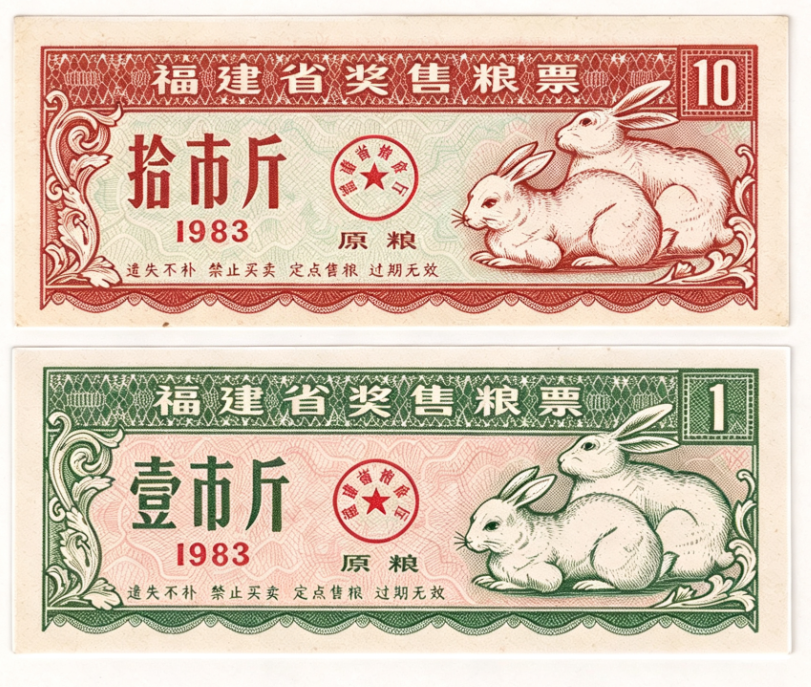
Markets could also help farmers exchange rewards that did not suit their needs. In a 1963 survey of Zhangzhou’s Xiqiao market, 3,592 jin of fertilizer offered for sale came mainly from production teams and was largely fertilizer obtained through the reward system. The account describes farmers selling surplus or unsuitable fertilizer and buying other forms of manure instead. Such transactions complicated official efforts to keep reward goods tied to particular products, but they could also correct mismatches in distribution.
As agricultural output and supplies improved, authorities narrowed the policy. In early 1964, the State Council called for a gradual reduction in its scope and standards and simpler procedures. Fujian reduced eligible reward goods, and by 1965 the main remaining categories were cloth, grain and fertilizer. Some incentives continued: Fujian kept its grain reward for pig procurement at the previous rate in 1965, even as neighboring Guangdong had reduced its rate from 50 to 30 jin of grain per 100 jin of pigs.
Zhou and Lin’s central finding is that jiangshou was neither a simple cash-price increase nor a purely one-way state demand. It used scarce goods to encourage deliveries at planned prices, while farmers’ choices and market prices influenced how the policy worked in practice.