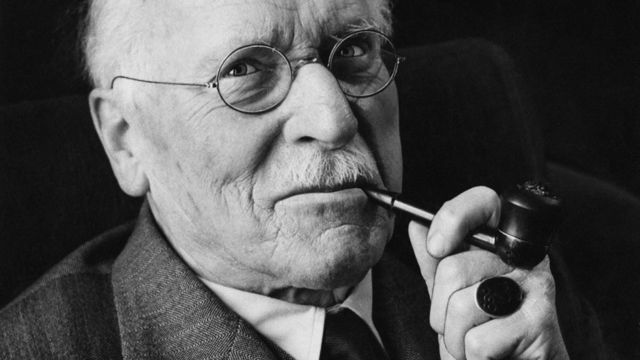
In 1943, a scholar of Søren Kierkegaard asked Carl Jung how psychological problems relate to creative genius. Kierkegaard’s anxiety had given him material for his philosophy, Jung thought, but it did not account for his ability to write it. “Neurosis does not produce art,” Jung replied. In his view, analysis could free an artist from obstacles without taking away the ability to create.
For Jung, the distinction turned on what a person did with doubt. A crisis could call someone’s deepest commitments into question, including trust in other people and in God. “Doubt is creative if it is answered by deeds,” he wrote. He used neurosis to describe a crisis that had hardened into habit. He saw Kierkegaard, by contrast, as a whole person who could take up the questions his anxiety posed.
Jung acknowledged a limit to his argument: no one could know what an artist would have made without a particular affliction. He imagined that a healthier Friedrich Nietzsche might have written much the same work in a more restrained voice, but offered that portrait as speculation.
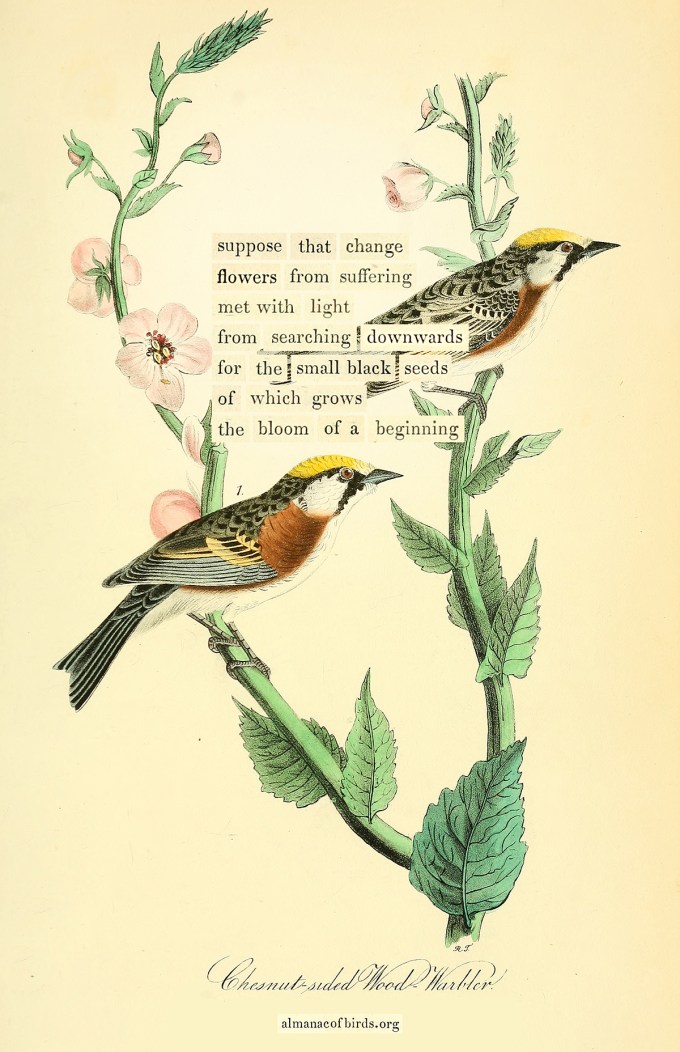
The advice Jung imagined giving Kierkegaard was not to preserve his distress for the sake of his writing. It was to listen closely enough to recognize what demanded an answer. In Jung’s religious understanding, the voice Kierkegaard had to reckon with was the voice of God within him.