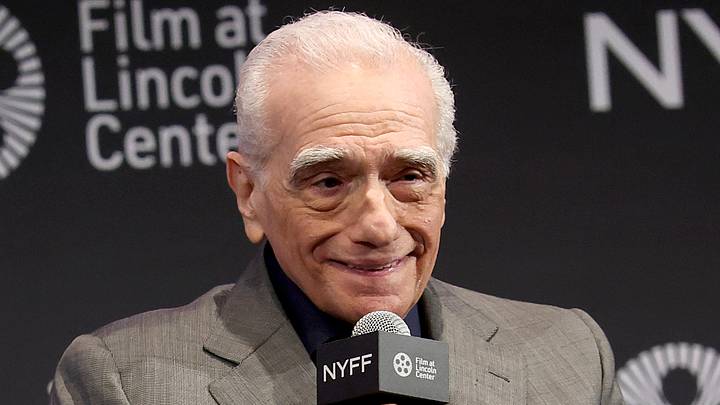
When Martin Scorsese spoke to Rolling Stone in 1990, he counted his 1973 crime drama Mean Streets among his favorites. He loved the music and remembered it as the film that first drew attention to his work. But what made it dear to him also made it hard to revisit: it was, he said, “the story of myself and my friends.”
Scorsese wrote the screenplay with Mardik Martin, a lifelong friend. The two would later collaborate on New York, New York and Raging Bull. In Mean Streets, they built the drama around two friends whose loyalties are tested by debts to the New York mafia. Charlie Cappa (Harvey Keitel) feels guilty about working for his uncle Giovanni, a mobster. He tries to protect his younger friend John “Johnny Boy” Civello (Robert De Niro), but as Johnny Boy’s debts mount, his defiance of his creditors puts Charlie at risk as well.
The film brought together subjects Scorsese would return to throughout his career: Italian American life, Catholicism and organized crime. De Niro’s performance earned him supporting actor honors from both the National Society of Film Critics and the New York Film Critics Circle. In 2001, Empire ranked Mean Streets first on its list of the 50 greatest American independent movies. For Scorsese, though, admiration was distinct from the desire to see it again. As he told Rolling Stone, “I certainly couldn’t watch it. It’s too personal.”