In 2018, Massachusetts Senator Elizabeth Warren released a DNA test that found strong evidence of a Native American ancestor six to 10 generations earlier. The Cherokee Nation answered a different question: it had no record of kinship with Warren. The test could suggest something about her family history, but it could not establish that she belonged to the Cherokee Nation.
That distinction is central to the work of Dina Gilio-Whitaker, a lecturer in American Indian Studies at California State University San Marcos and author of Who Gets to Be Indian? (2026). In most tribal communities, she writes, belonging rests on family and clan relationships. Someone can have those ties without being enrolled in a federally recognised tribe. Conversely, neither an ancestry estimate nor a story passed down in a family can, on its own, establish those relationships.
Gilio-Whitaker distinguishes uncertainty about family history from knowingly inventing one. But when an unsupported claim helps someone secure a job, contract or grant intended for Native people, she argues, the consequences extend beyond the person making it.
How performance became a livelihood
Gilio-Whitaker traces one strand of this history to the Wild West shows of the late 19th century. As US policies confined Native people to reservations and boarding schools separated children from their families, touring shows offered paid work. Many Native performers were veterans of the Plains Indian wars; some went from prisoner-of-war camps to the shows. Audiences would pay to see people demonstrate skills that federal assimilation policies were trying to displace.
Early Western films drew on those shows. Native performers moved into cinema, but actors with no tribal connections also began claiming Native identities to win roles. In 1926, Native advocates formed the War Paint Club to press for fairer portrayals and for Native actors to play Native characters.
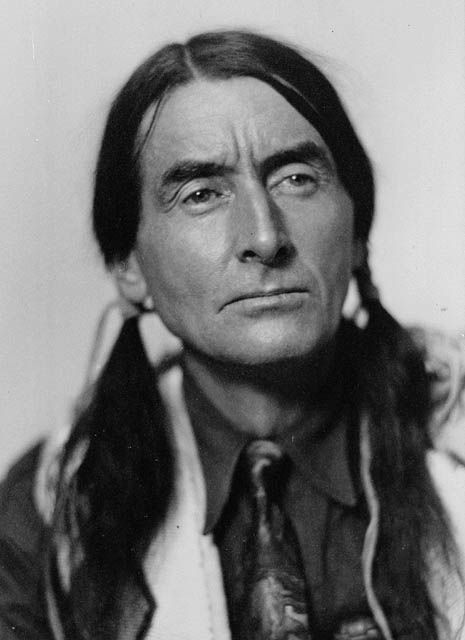
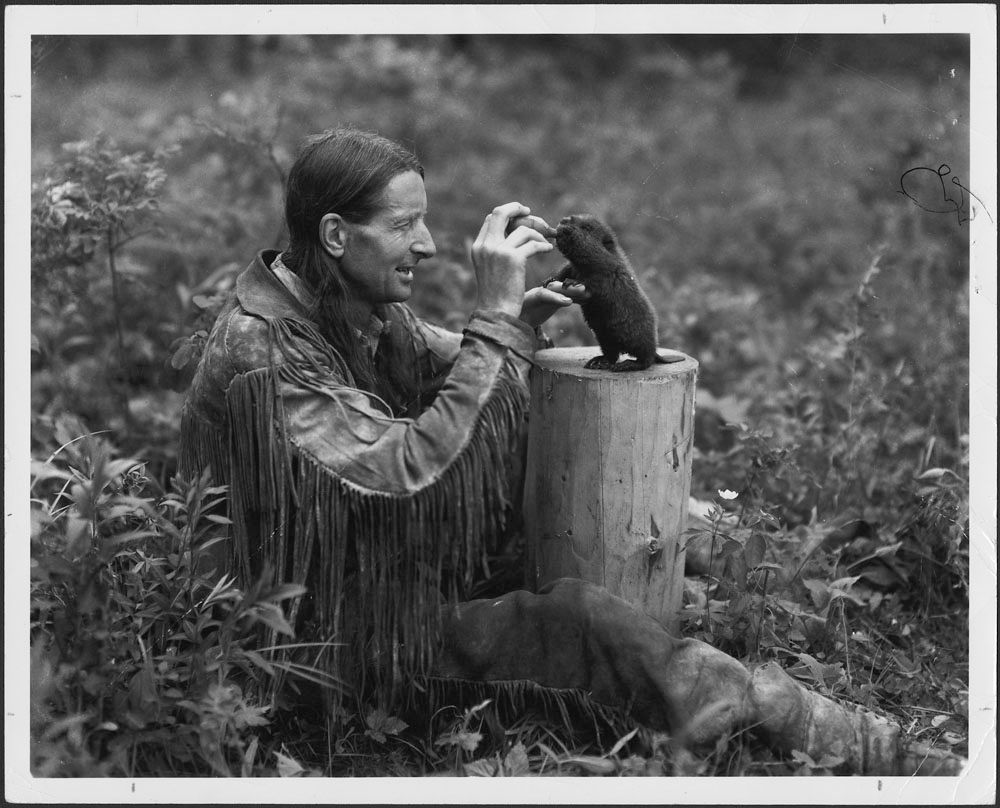
One of the most recognisable screen figures was Iron Eyes Cody, who appeared in more than 200 films and in a 1971 anti-littering advertisement. His 1980 autobiography described him as Cherokee and Cree. In 1996, the New Orleans Times-Picayune reported that he was born Espera Oscar de Corti, the son of Italian immigrants. In Canada, the conservationist known as Grey Owl claimed to be Apache. He was Archibald Belaney, born in Hastings, England, with no Indigenous ancestry.
What institutions can verify
For universities, the stakes include the trust on which research depends. Elizabeth Hoover, a professor at the University of California, Berkeley, acknowledged that she had wrongly identified herself as Mohawk. Gilio-Whitaker writes that Hoover’s claimed heritage had helped her conduct environmental research in Mohawk communities.
In public contracting, the costs can be measured in dollars. A 2019 Los Angeles Times investigation reported that, since 2000, more than $300 million in contracts under minority-business programmes had gone to 12 companies claiming membership in three groups the investigation identified as falsely claiming to be Cherokee tribes. Beyond the money involved, Gilio-Whitaker argues, such cases can cast suspicion on businesses with genuine tribal affiliations.
The US art market offers one example of verification, though not a test of who is Native. Under the Indian Arts and Crafts Act, passed in 1990, someone marketing work as Indian-made must be enrolled in a federally or state-recognised tribe or be certified by a tribe as an artisan. The law regulates a sales claim. As Gilio-Whitaker notes, its eligibility rules can exclude people with documented Native ties.
A few Canadian colleges have introduced verification for admissions and scholarship applications, Gilio-Whitaker reports. In the United States, she says, hiring committees often hesitate to ask about tribal affiliation for fear of violating anti-discrimination law. The distinction she urges institutions to consider is between asking someone to prove a racial identity and asking about a relationship with a sovereign tribal community. The latter question recognises an authority that a DNA test, a hiring committee and an applicant cannot exercise: that of the community itself.