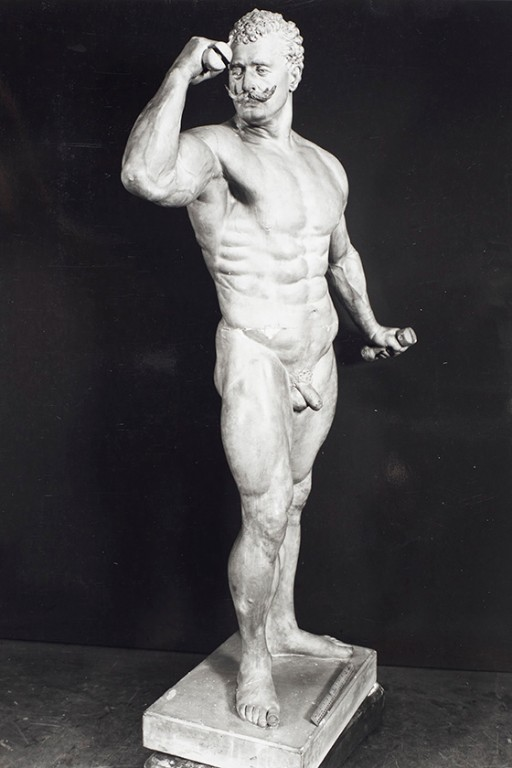
In a lecture reported on November 21, 2026, historian Sebastian Conrad traces bodybuilding from Eugen Sandow’s performances in the 1890s to its postwar revival. His central argument is that bodybuilding did not spread simply because a European strongman toured the world. It took hold where ideas about work, beauty, masculinity and national strength were already being contested.
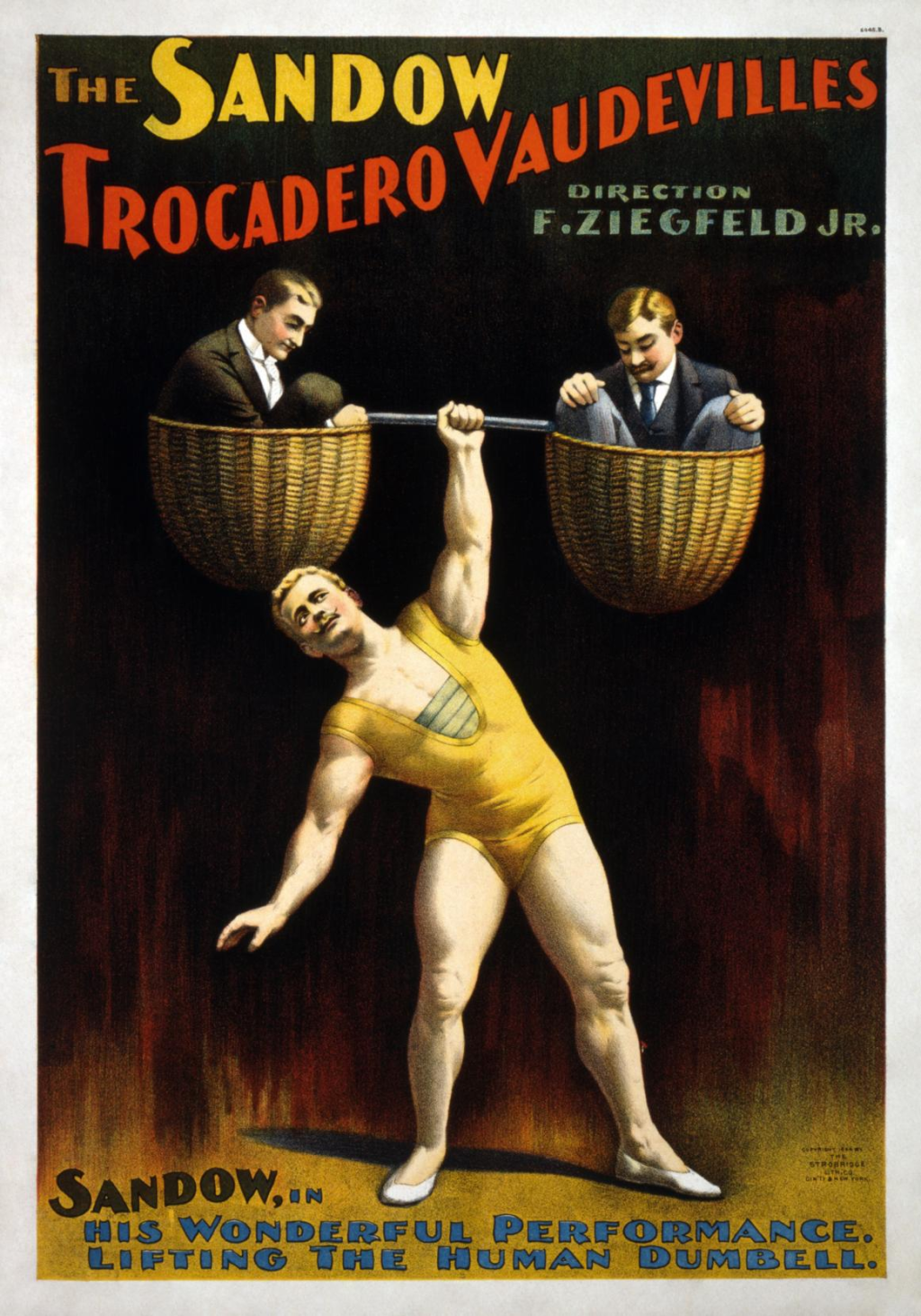
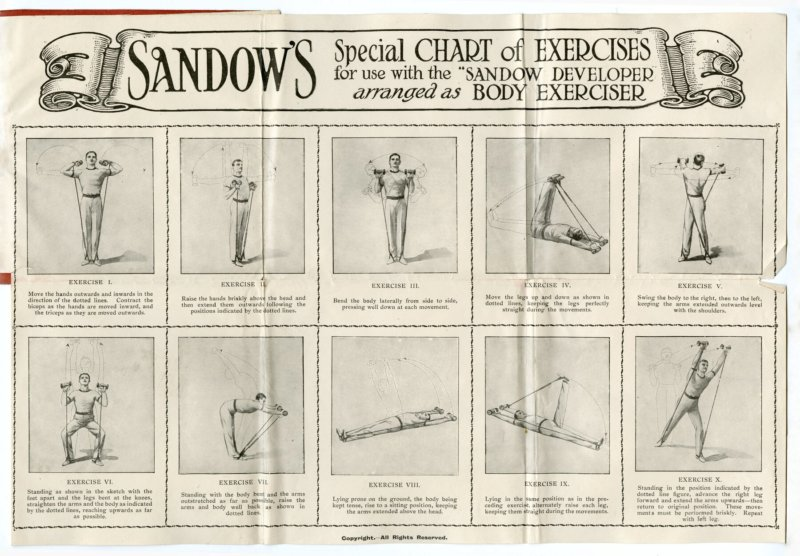
Sandow (1867–1925) became famous in Britain and the United States for feats of strength, but he also posed to display his physique. Conrad argues that this was a crucial shift: Sandow presented muscular strength as a form of beauty, drawing on the appearance of ancient Greek sculpture. Sandow’s account of seeing such sculptures on a youthful trip to Italy may, Conrad cautions, have been part of a story he constructed about himself rather than a documented event.
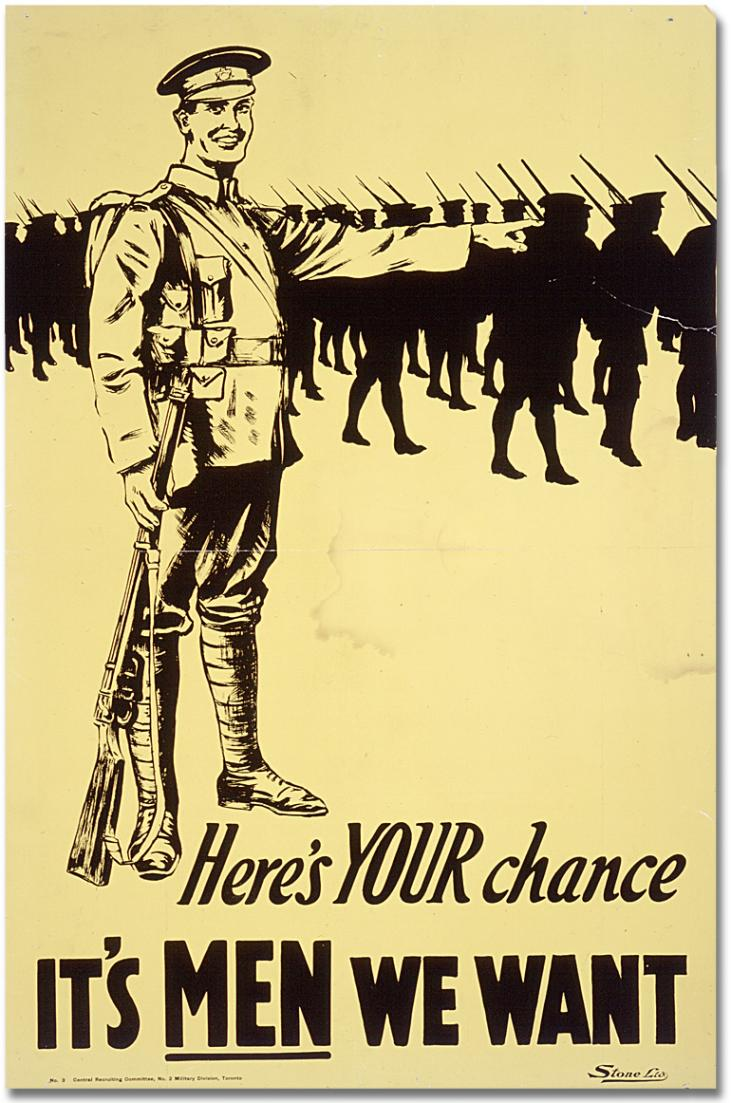
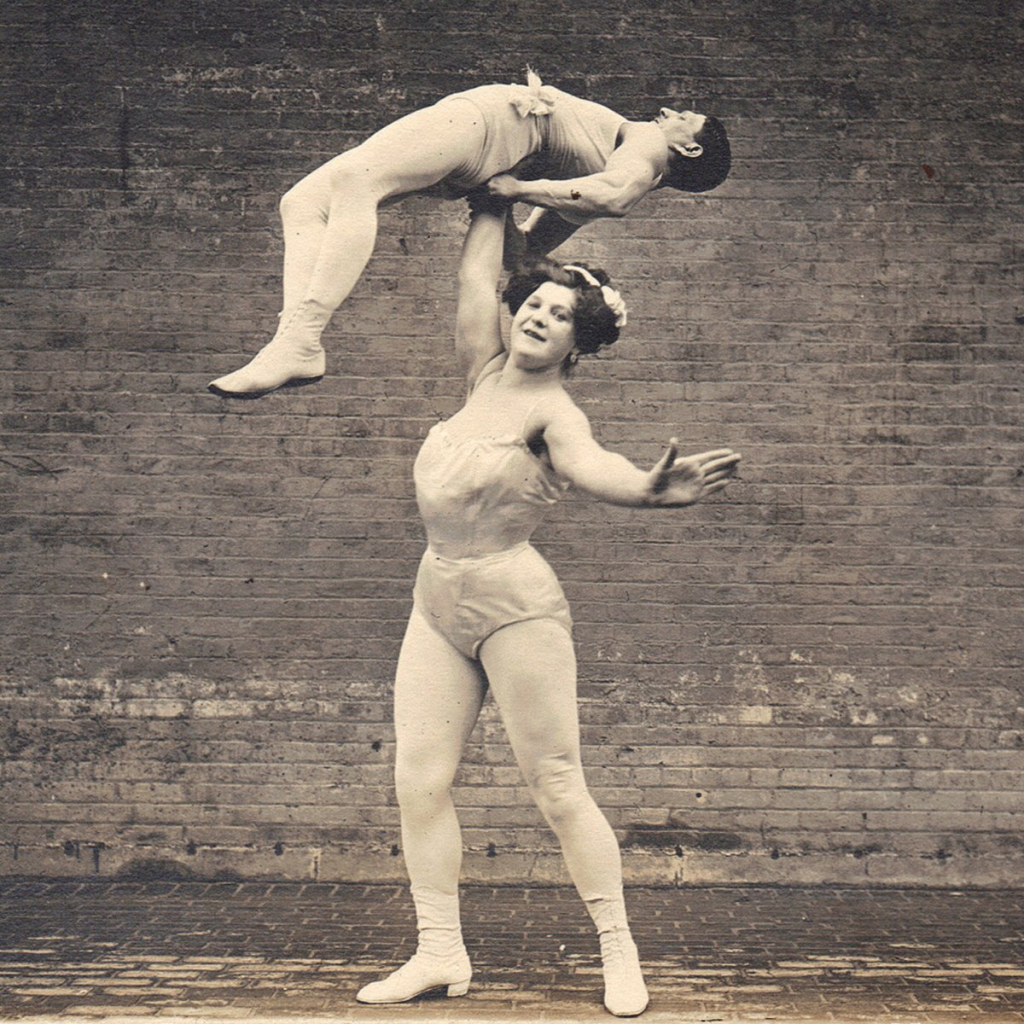
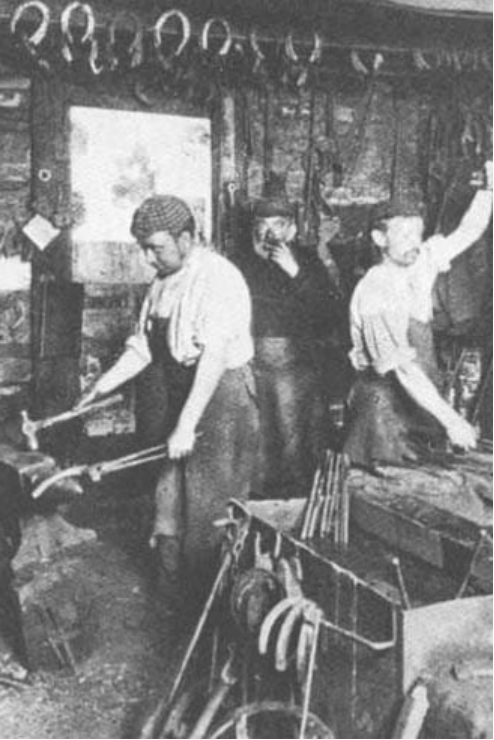
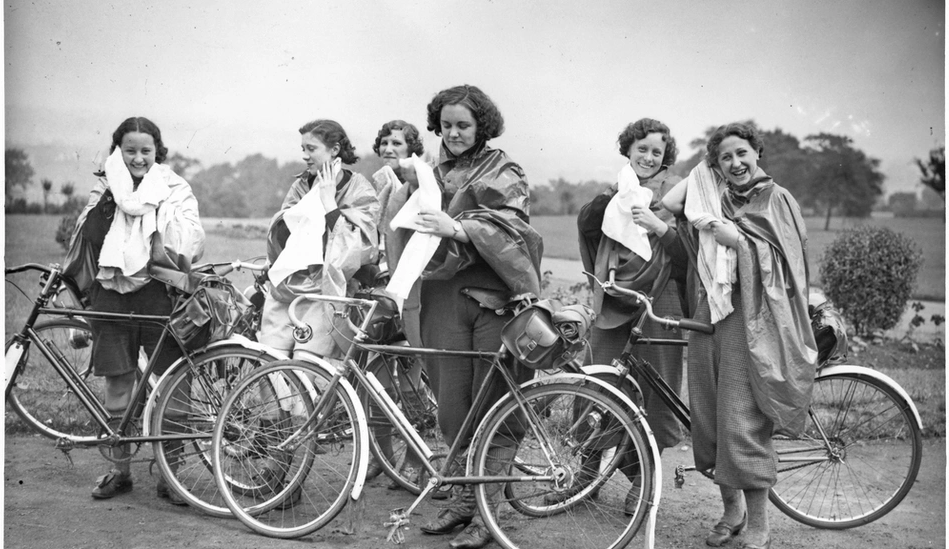
Sandow’s appeal grew alongside industrialization, changing ideas about health and the rise of mass media. His performances, photographs and Sandow’s Magazine helped him reach audiences far beyond the places he visited. Conrad also places his work within debates over gender. Sandow encouraged women to exercise, but described their goal as a different, softer physique—an example of how physical culture could reinforce the gender expectations of its time.
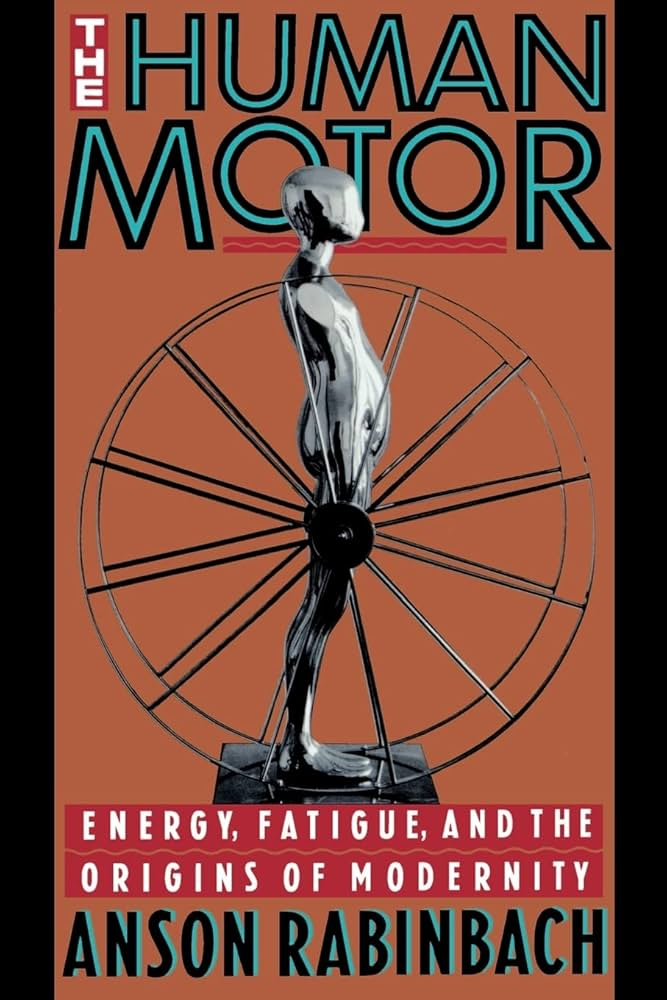
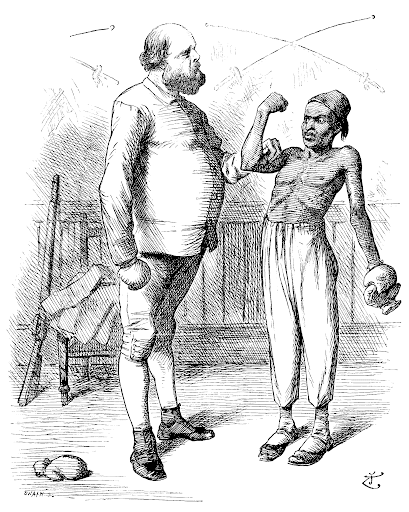
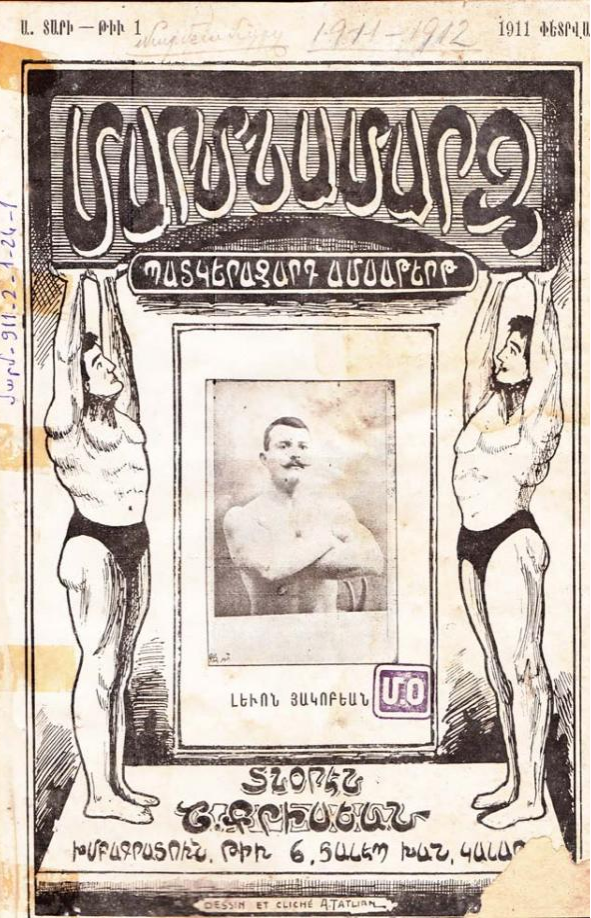
Beyond a one-way story of influence
Sandow toured Australia and New Zealand in 1902 and later travelled to South Africa and Asia, including India. Yet Conrad questions the idea that these visits introduced physical training to otherwise unfamiliar audiences. In India, for example, local wrestling and weightlifting traditions already existed. Amid opposition to British rule, physical training could also express resistance to colonial portrayals of Indians as weak. Sandow’s methods entered that setting; they did not create it.
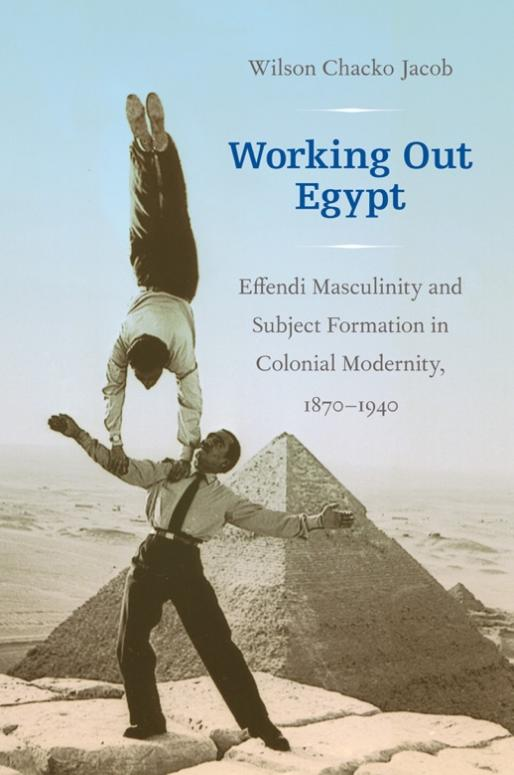
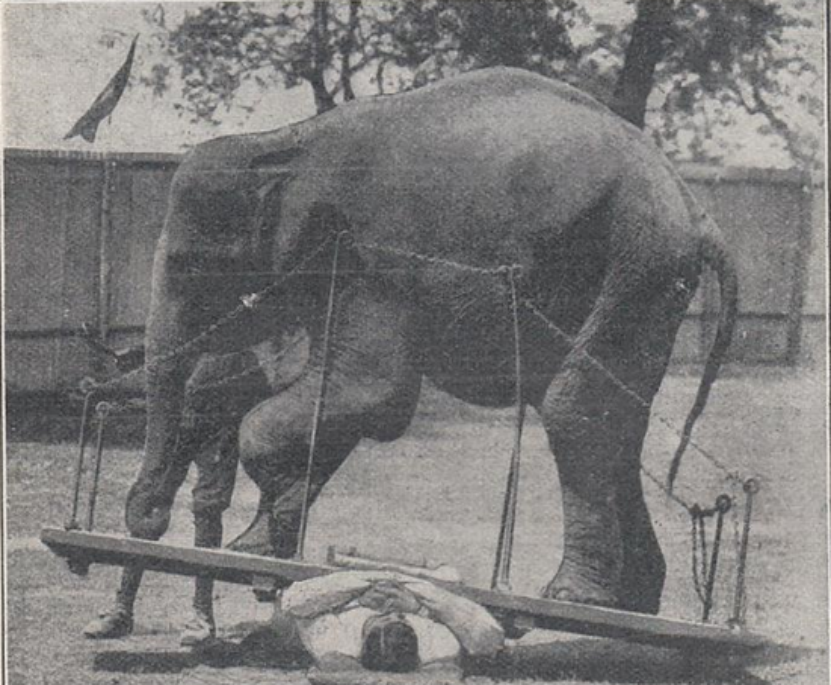
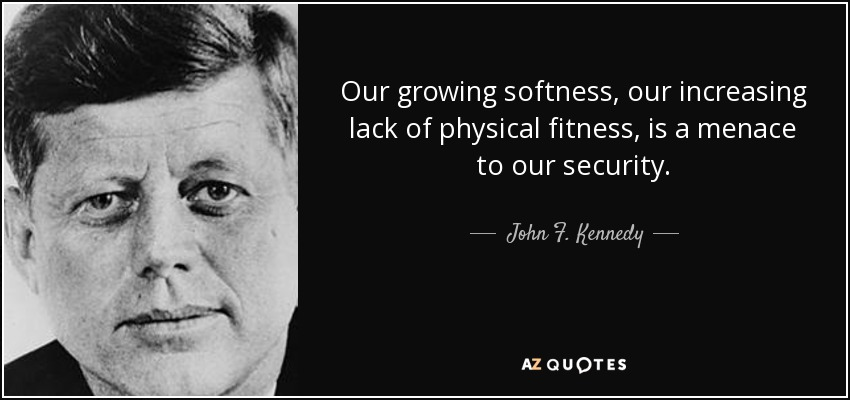
Conrad identifies industrial labour, claims of scientific authority, imperial power and nation-building as conditions that helped bodybuilding circulate. He also points to movement in the other direction: Indian club swinging and judo travelled beyond their places of origin, complicating a story of physical culture spreading only from Europe outward.
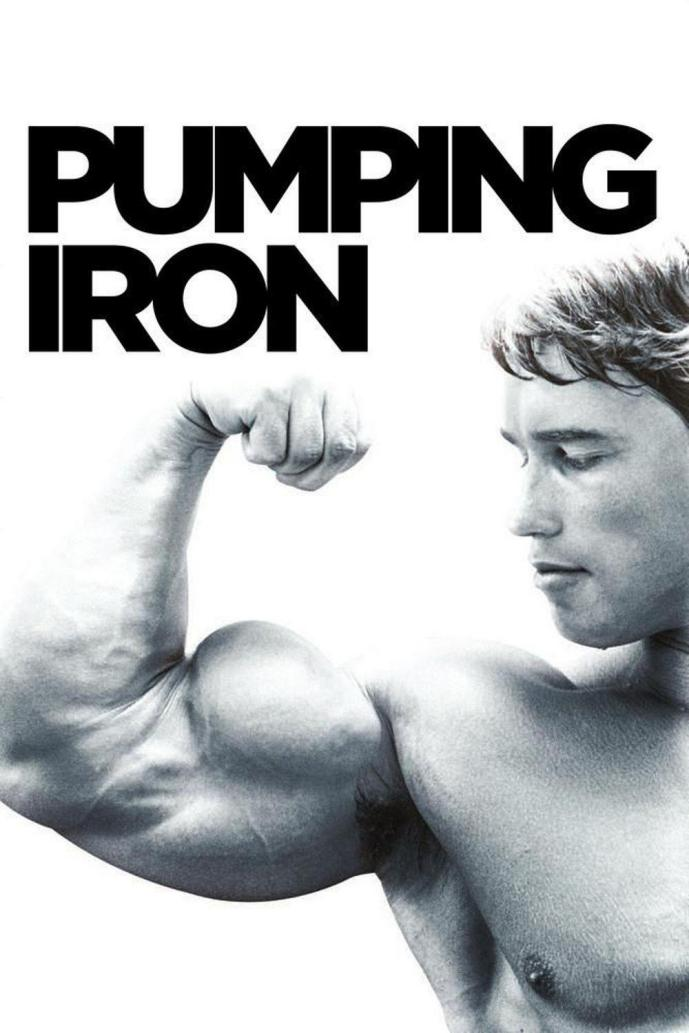
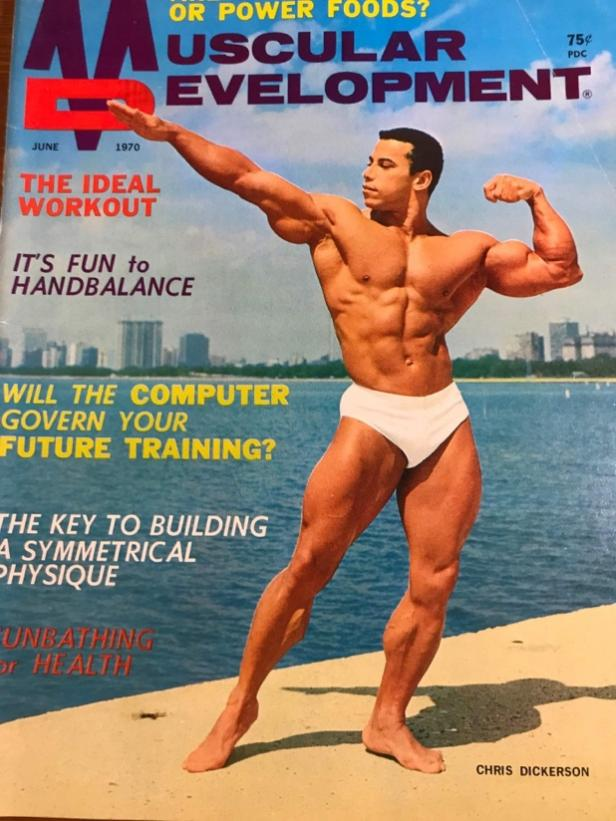
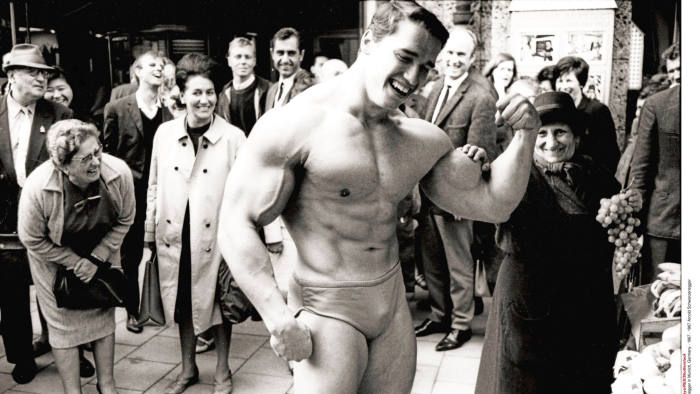
After Sandow’s era, Conrad describes a postwar resurgence centred on the United States. Arnold Schwarzenegger’s rise in the 1970s and the 1977 film Pumping Iron marked a new period of visibility. For Conrad, the contrast between the two figures is revealing: Sandow stressed a balance of beauty, strength and bodily function, while Schwarzenegger’s era placed greater emphasis on size and an individualized appearance. Their careers show how the meaning of a muscular body changed across different historical settings.