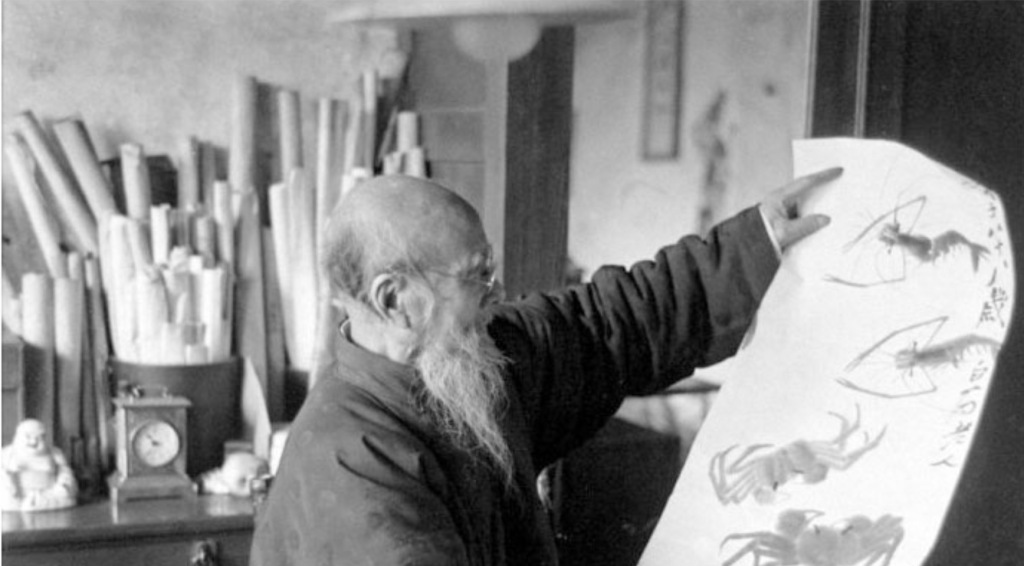
A study of seals, letters and diaries places the acquaintance of Chinese artists Qi Baishi and Chen Shizeng earlier than the account in Qi’s late-life autobiography suggests. In a paper presented at the Beijing Fine Art Academy’s 2026 academic conference and published on November 21, 2026, academy vice-president and researcher Lü Xiao argues that the two knew each other no later than the seventh lunar month of 1917—before, rather than after, Qi’s move to Beijing’s Fayuan Temple.
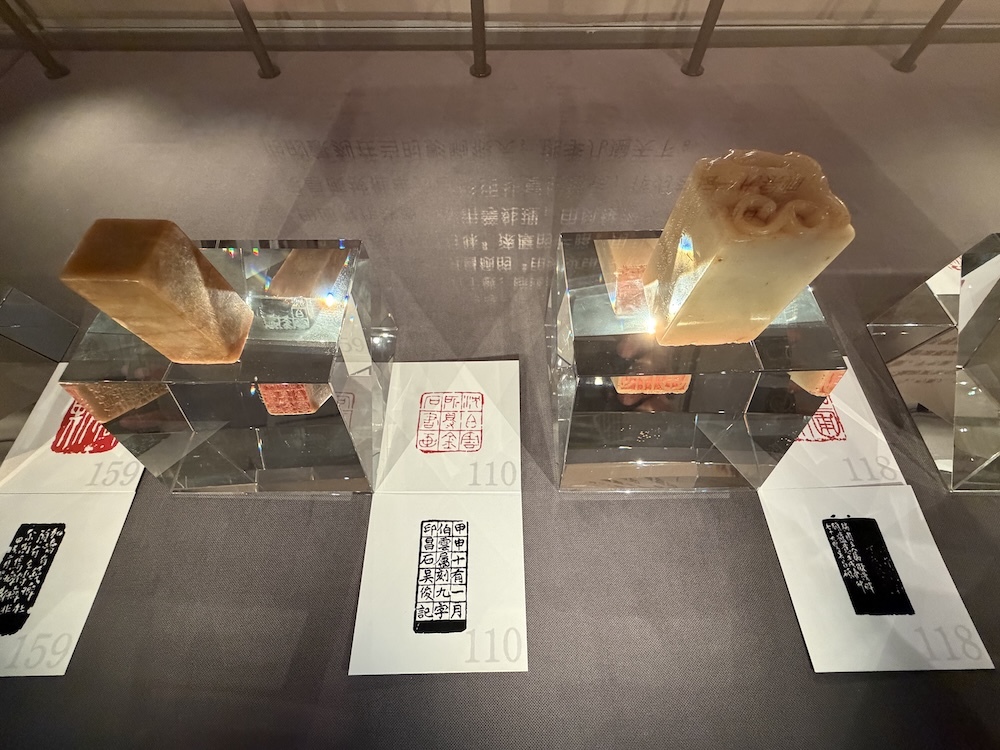
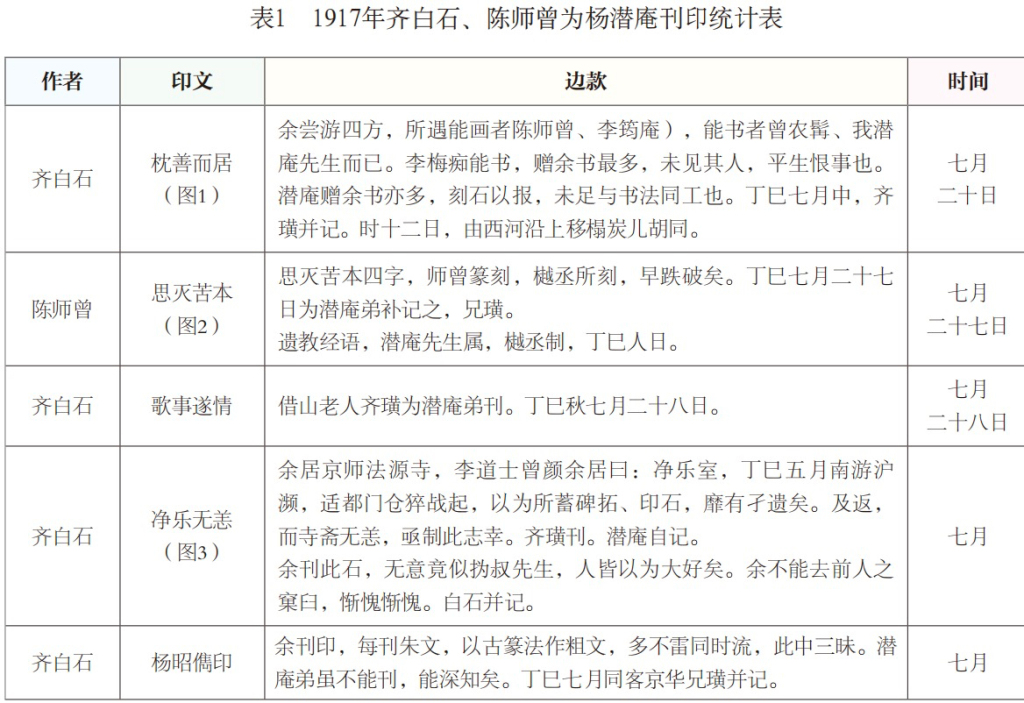
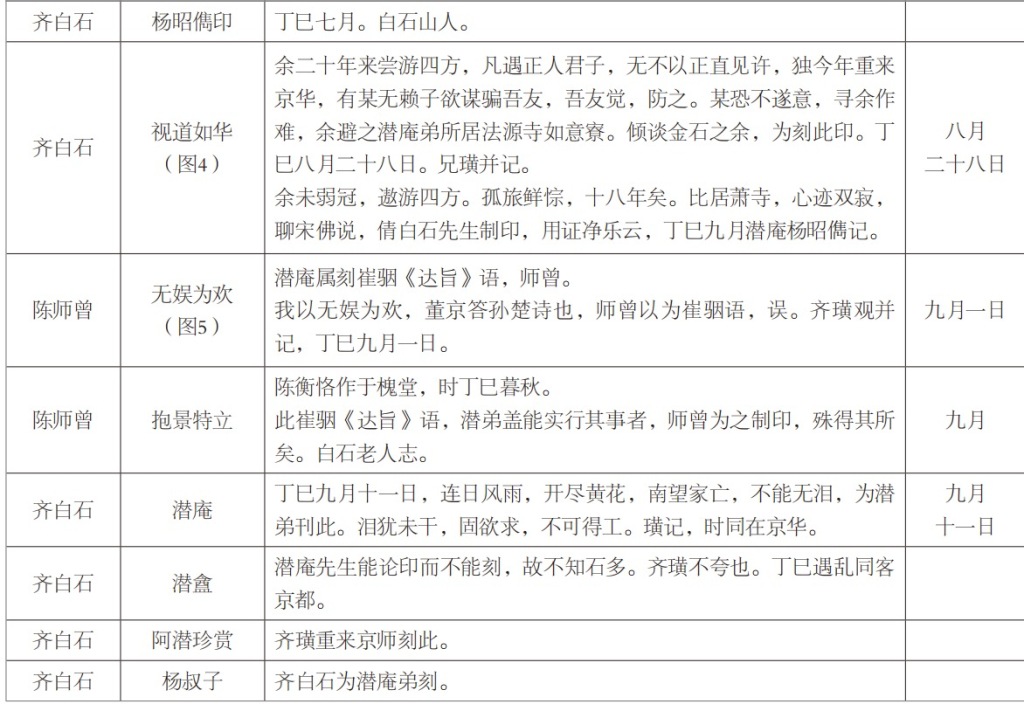
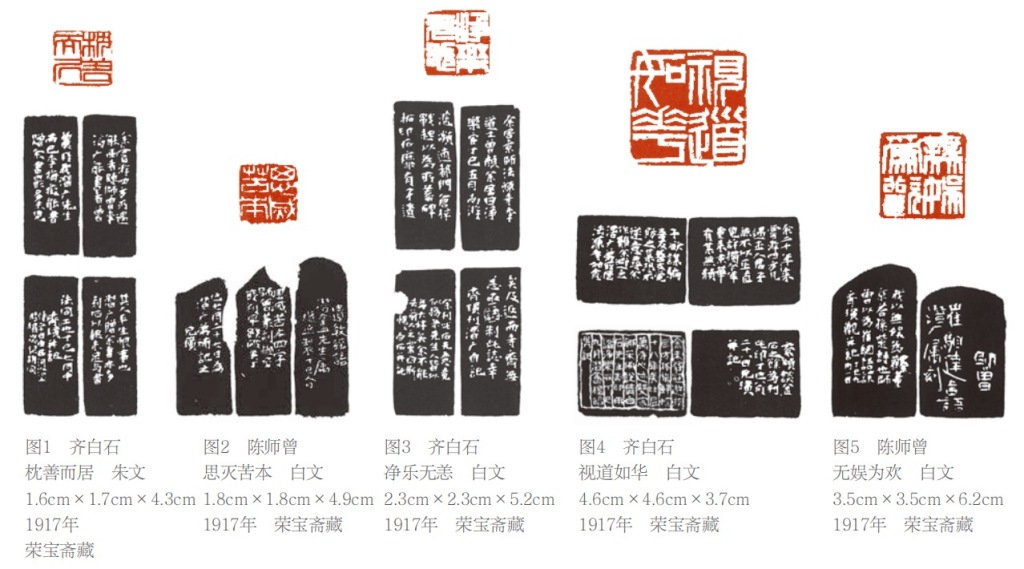
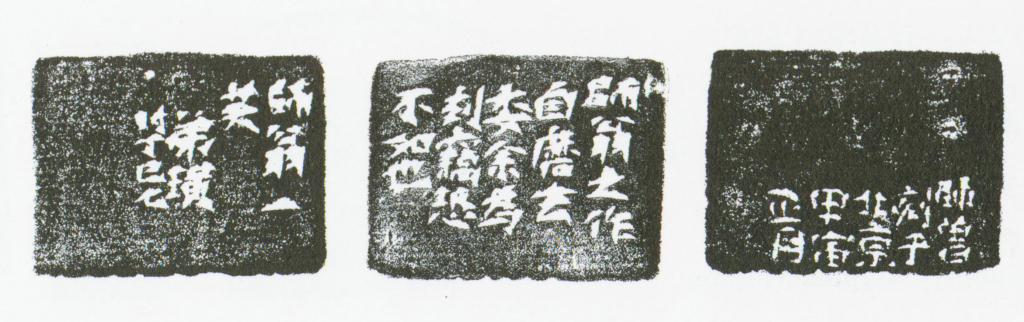
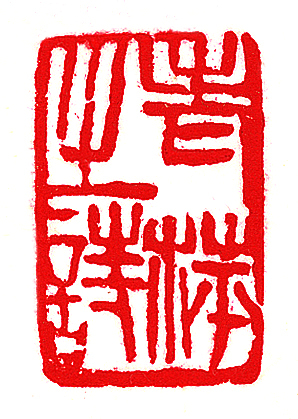
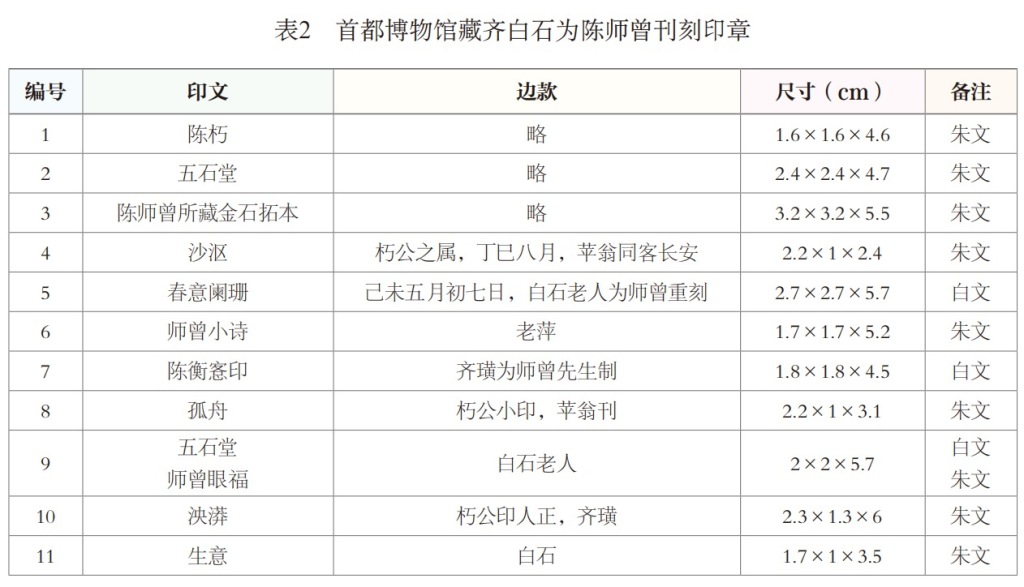
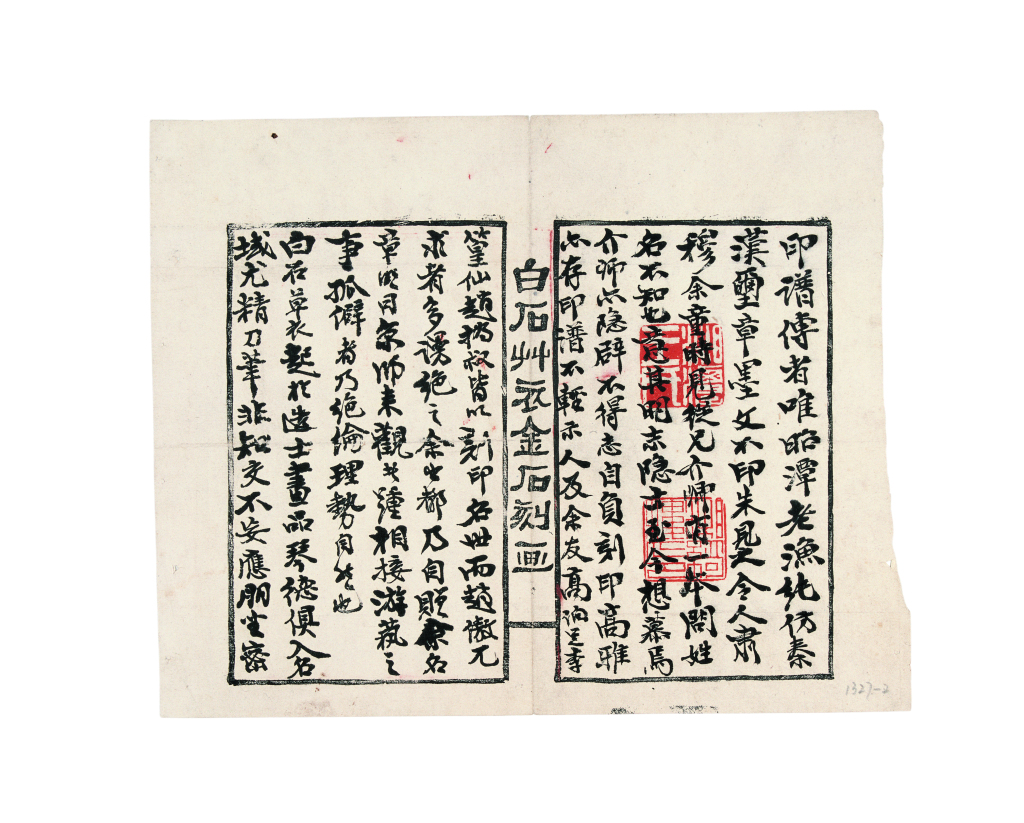
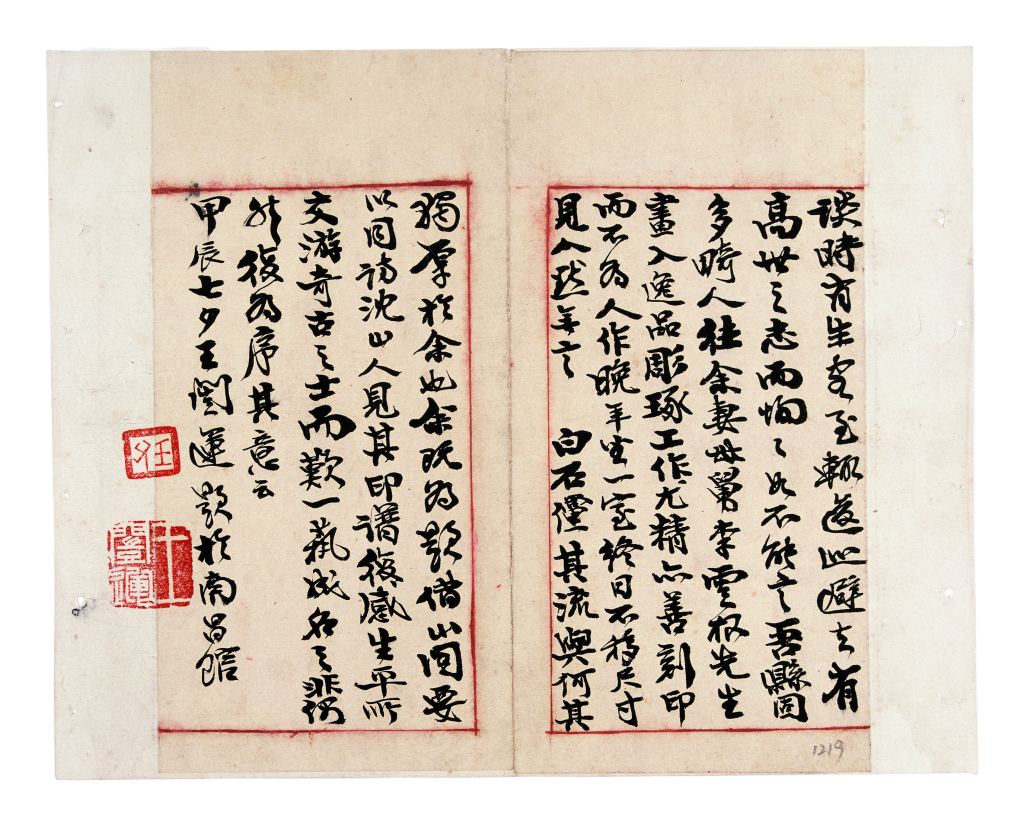
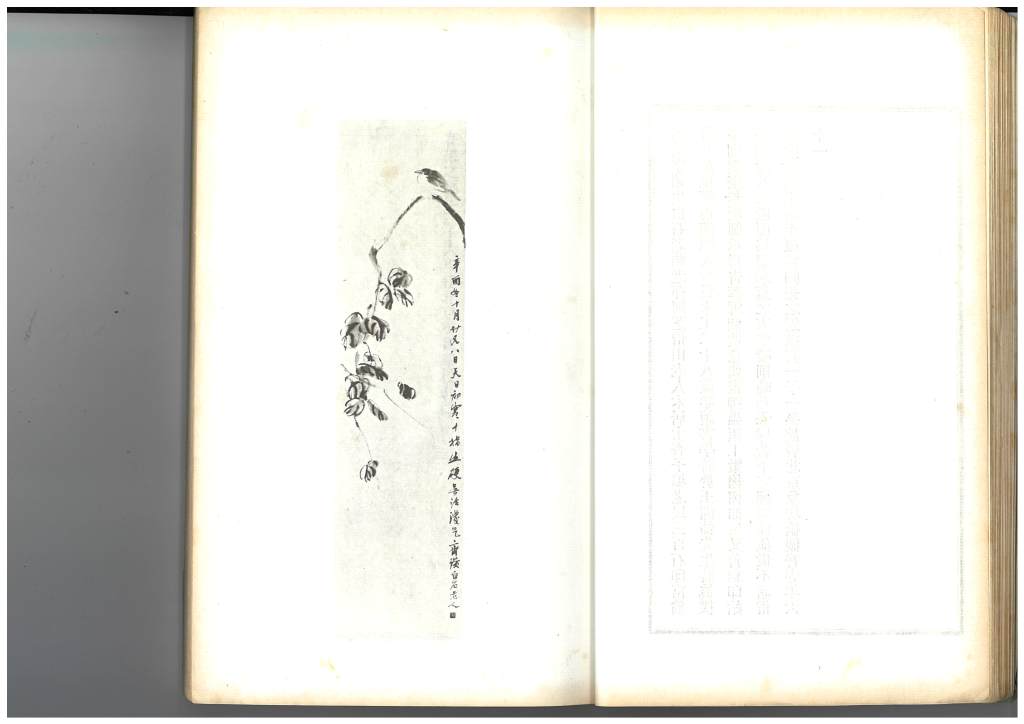
Qi’s autobiography describes Chen seeing his seals for sale and visiting him at the temple, where they quickly became friends. Lü points instead to inscriptions on seals Qi made in the seventh lunar month of 1917, including ones for Chen, and to a painting dated the 24th day of that month whose inscription names Chen among those watching Qi work. These records establish that the artists were already acquainted; they do not identify the precise day or place of their first meeting. Lü also notes that Chen dated his verse inscription on Qi’s Jieshan Tu to “early autumn,” a term corresponding to the seventh lunar month.
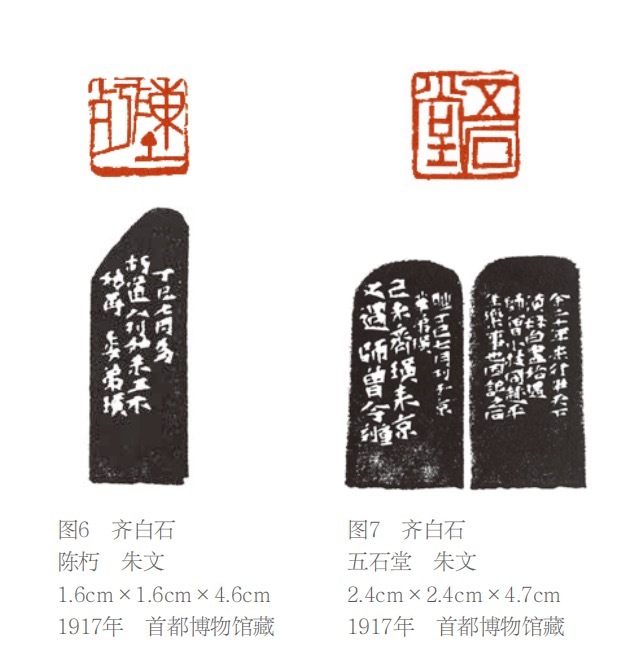
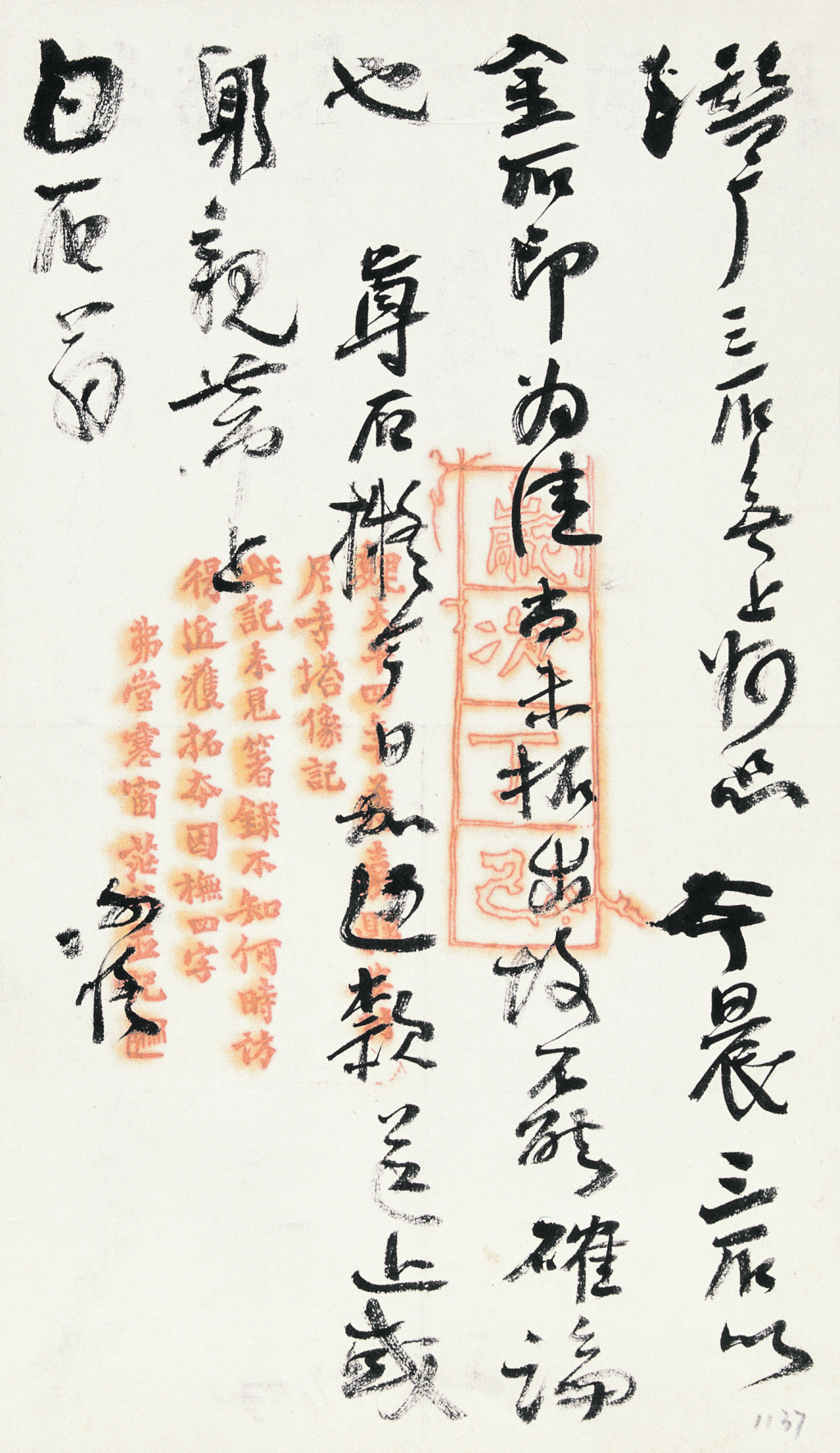
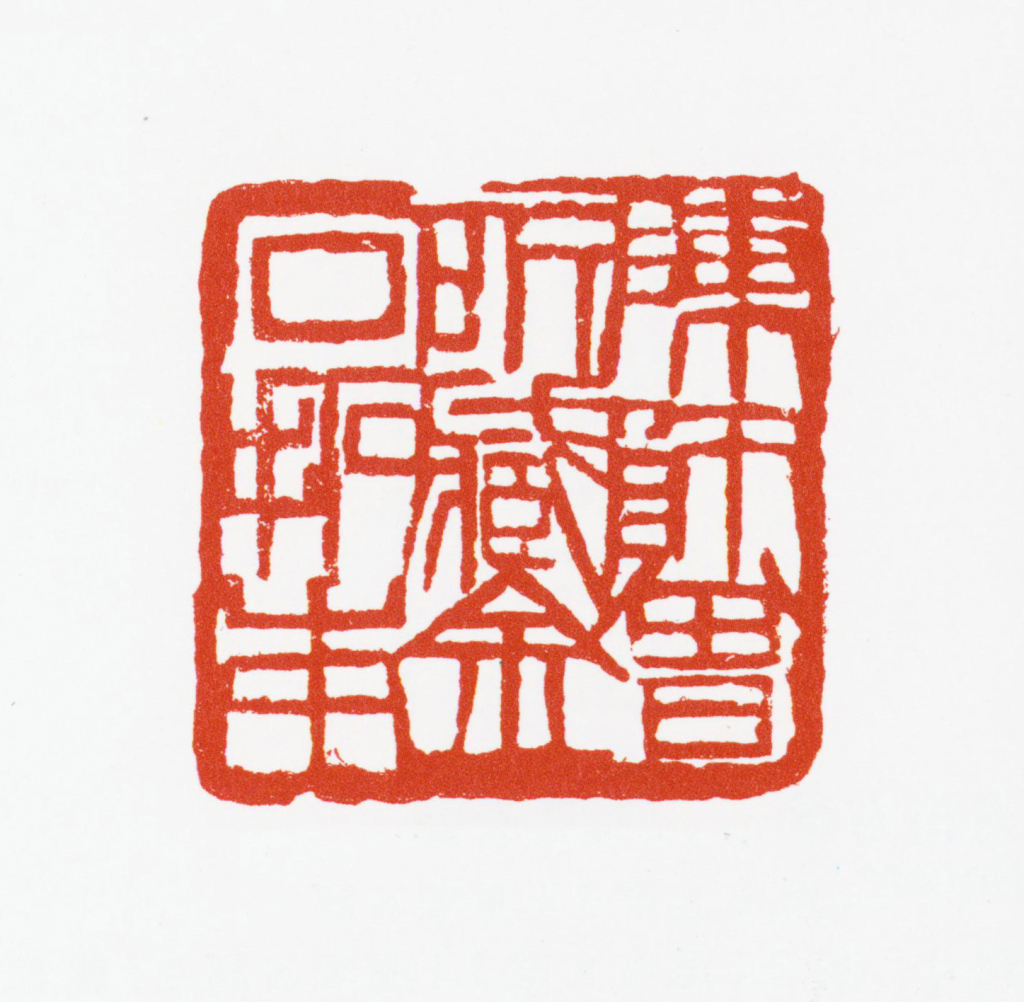
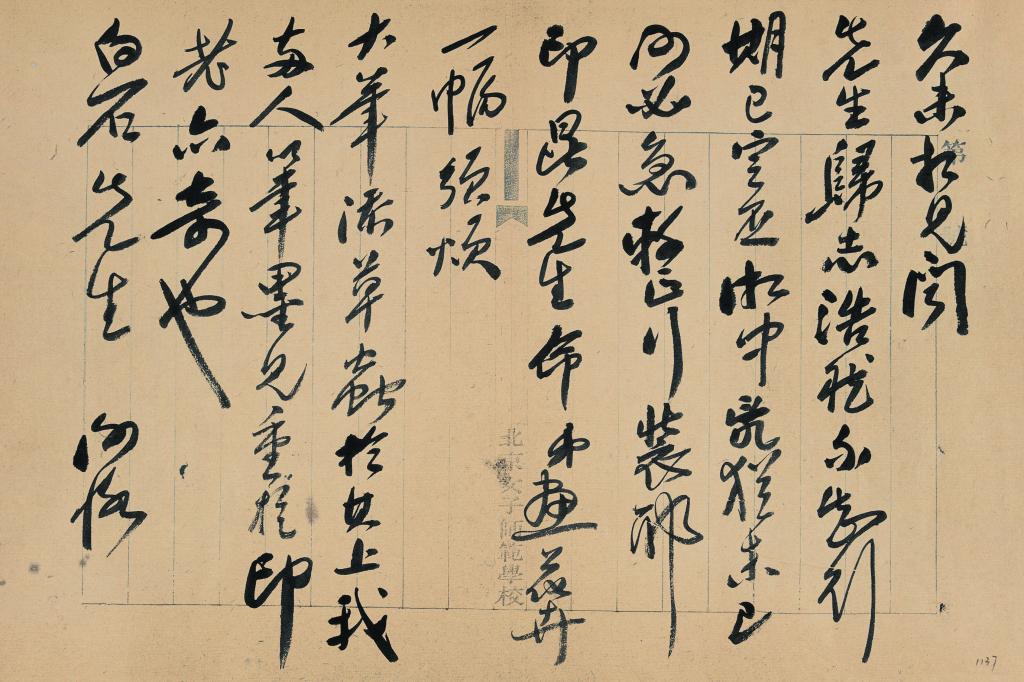
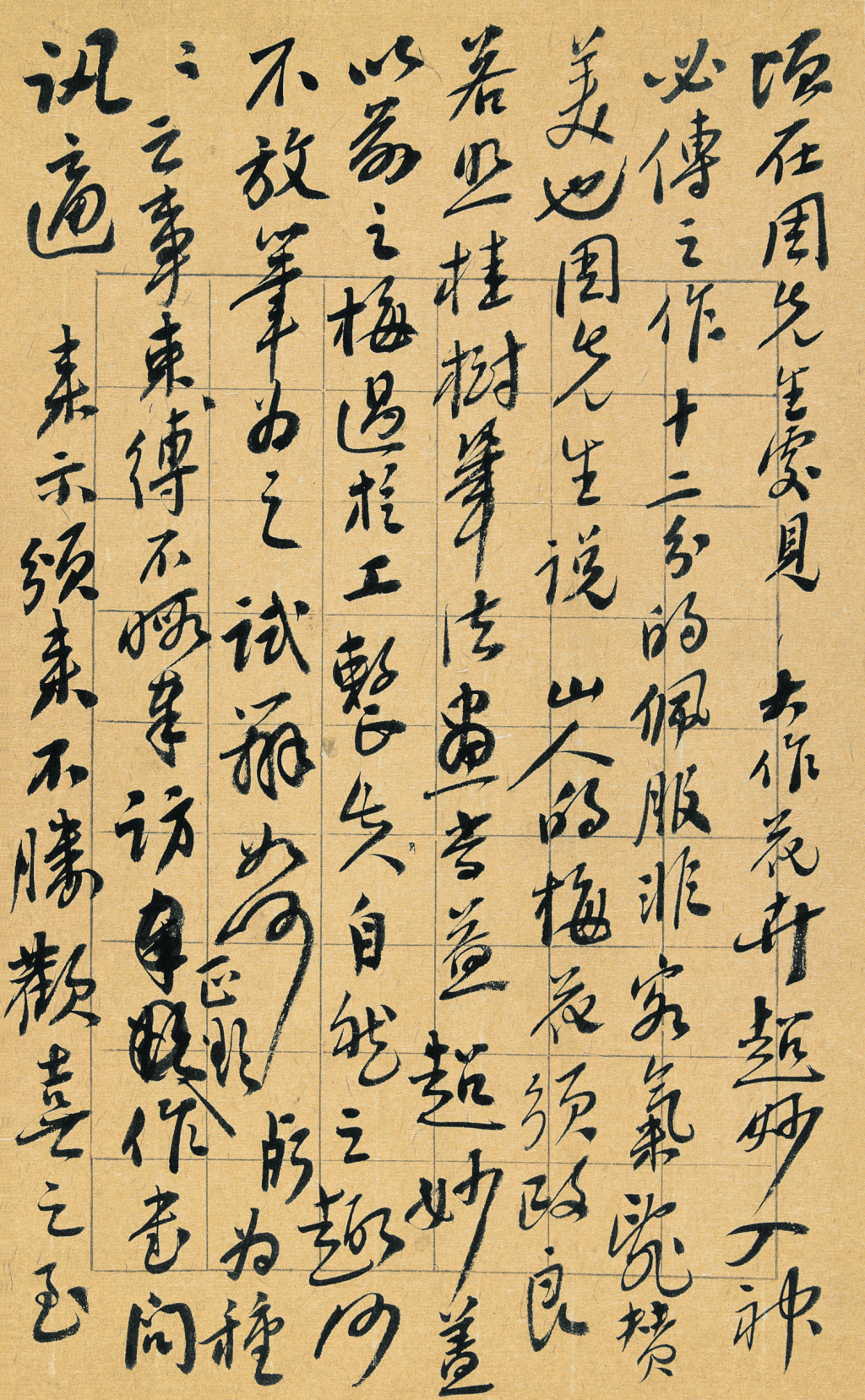
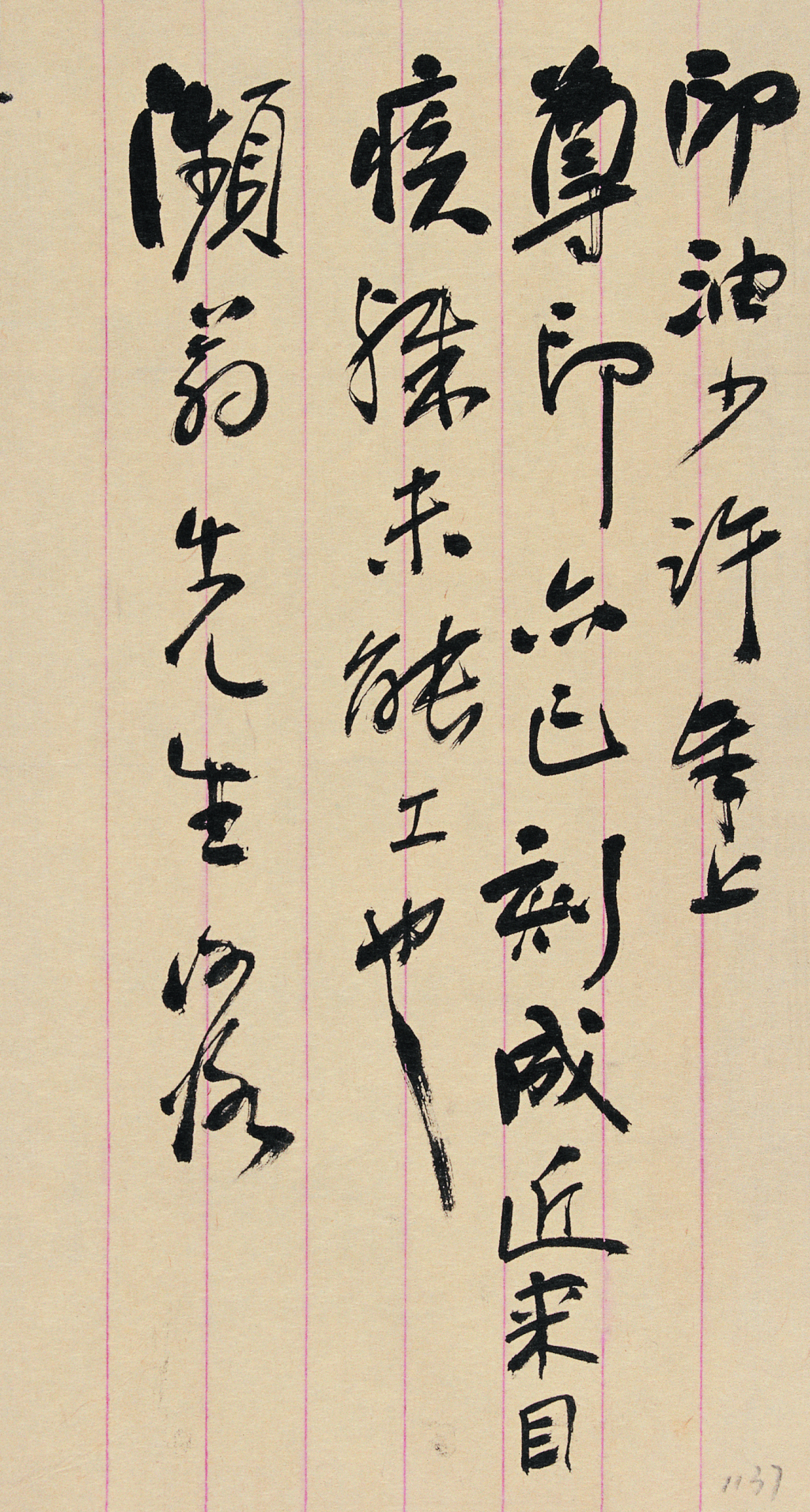
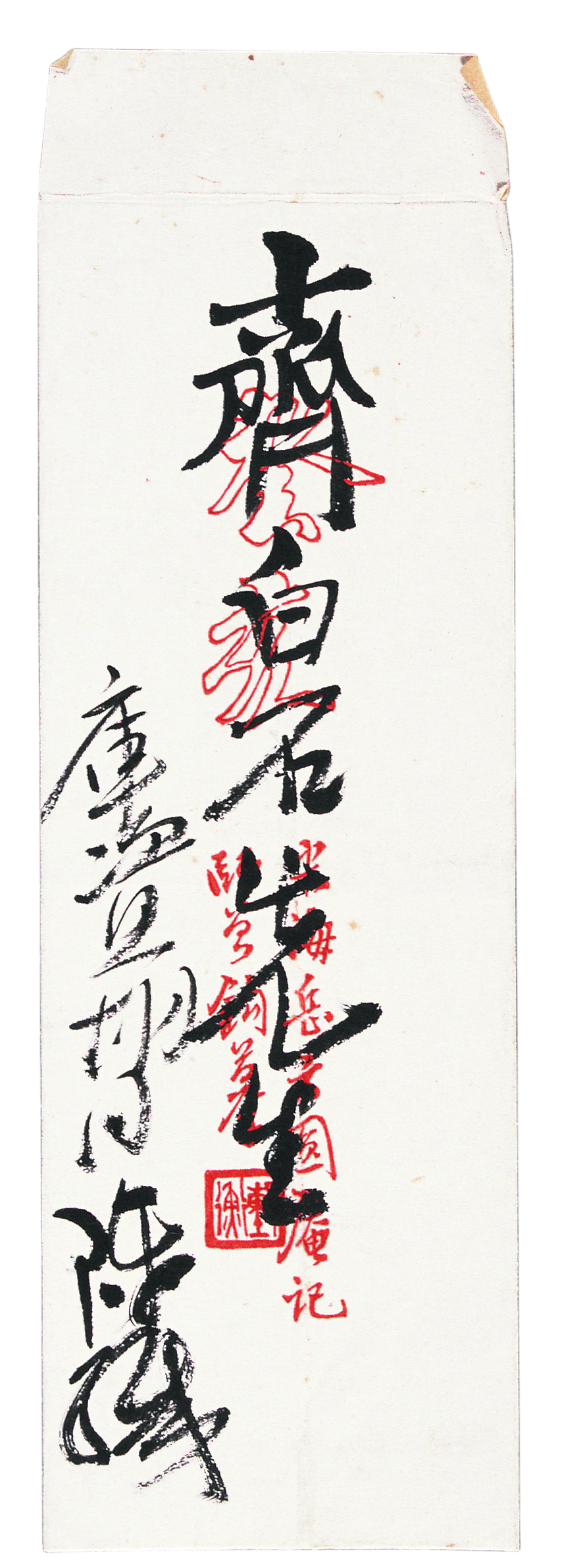
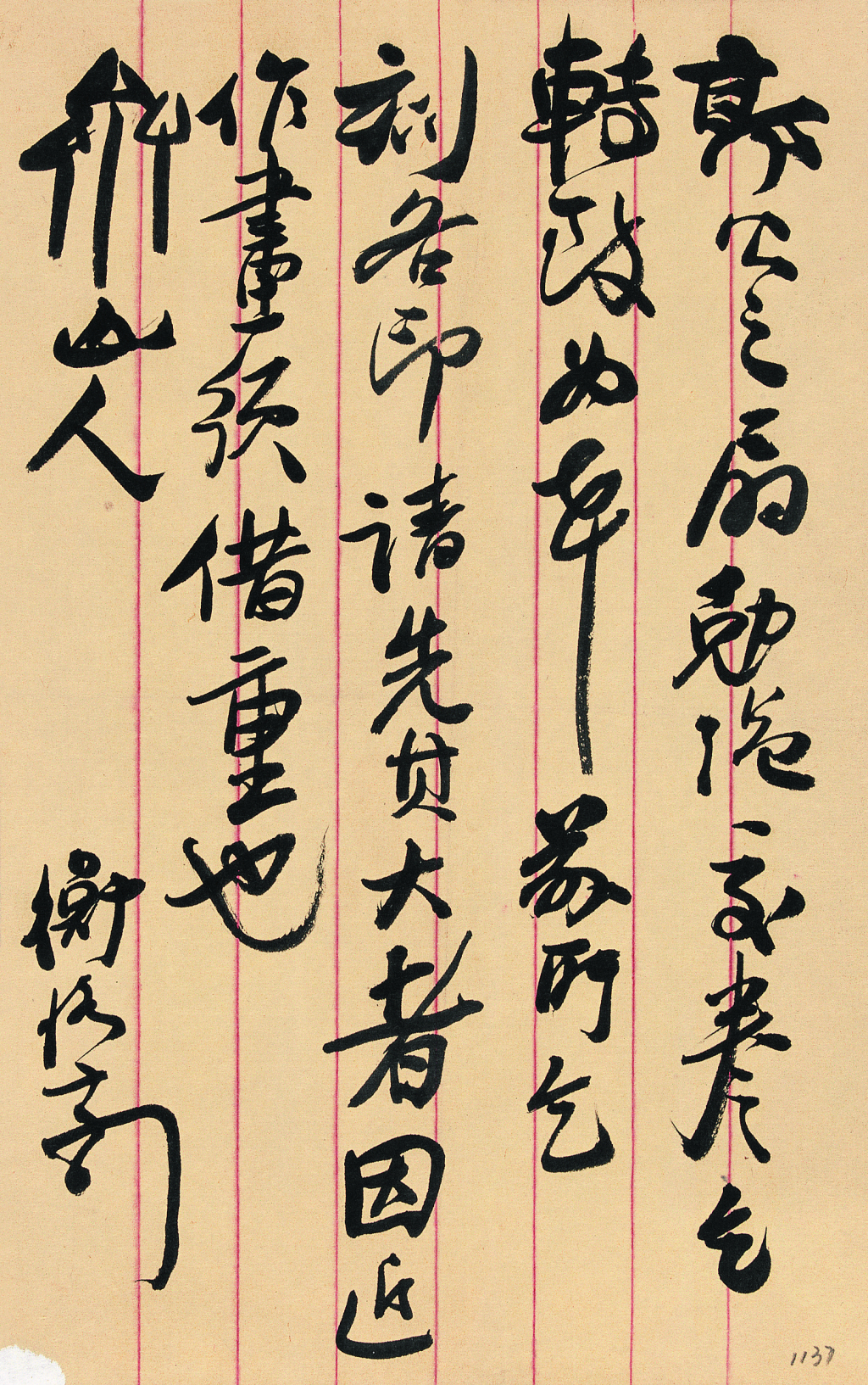
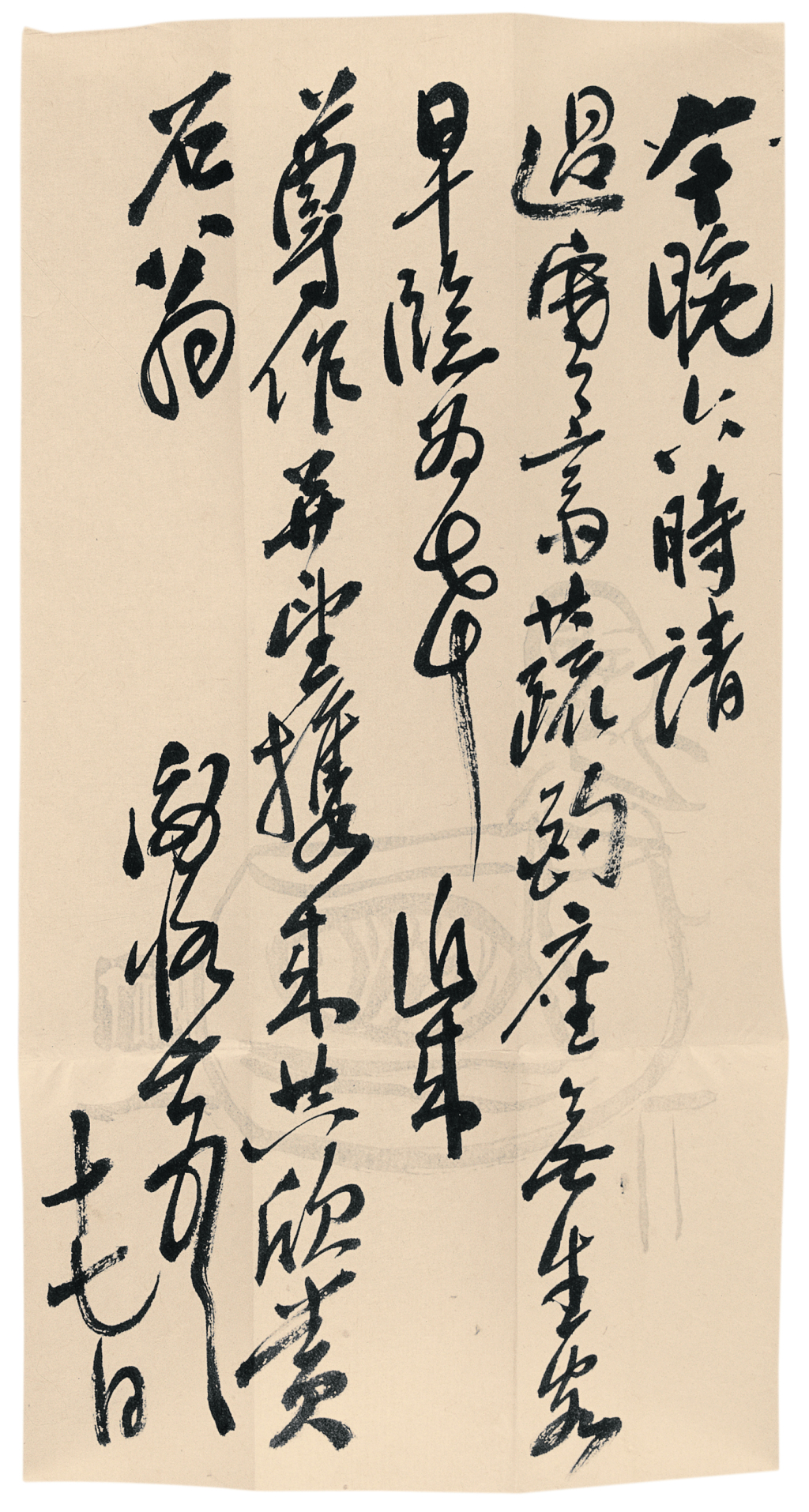
Seven letters from Chen to Qi held by the Beijing Fine Art Academy add detail to their artistic exchange. In one, Chen praises Qi’s flower painting while passing along a suggestion that he paint plum blossoms more freely. Other letters discuss commissions, seals and invitations to view recent work. Several lack dates, and Lü’s proposed dates for them rest on clues such as stationery, an envelope address or their contents.
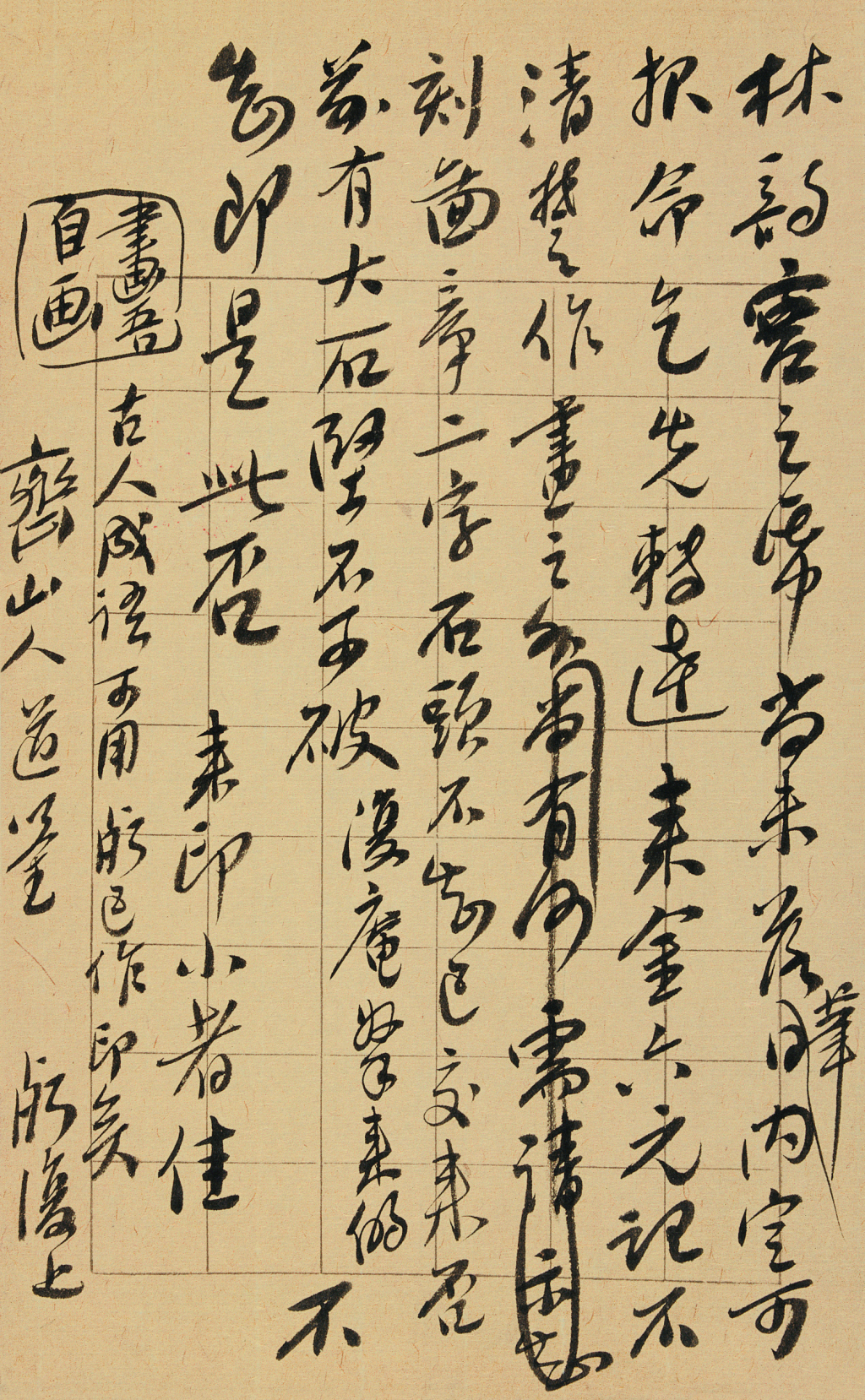
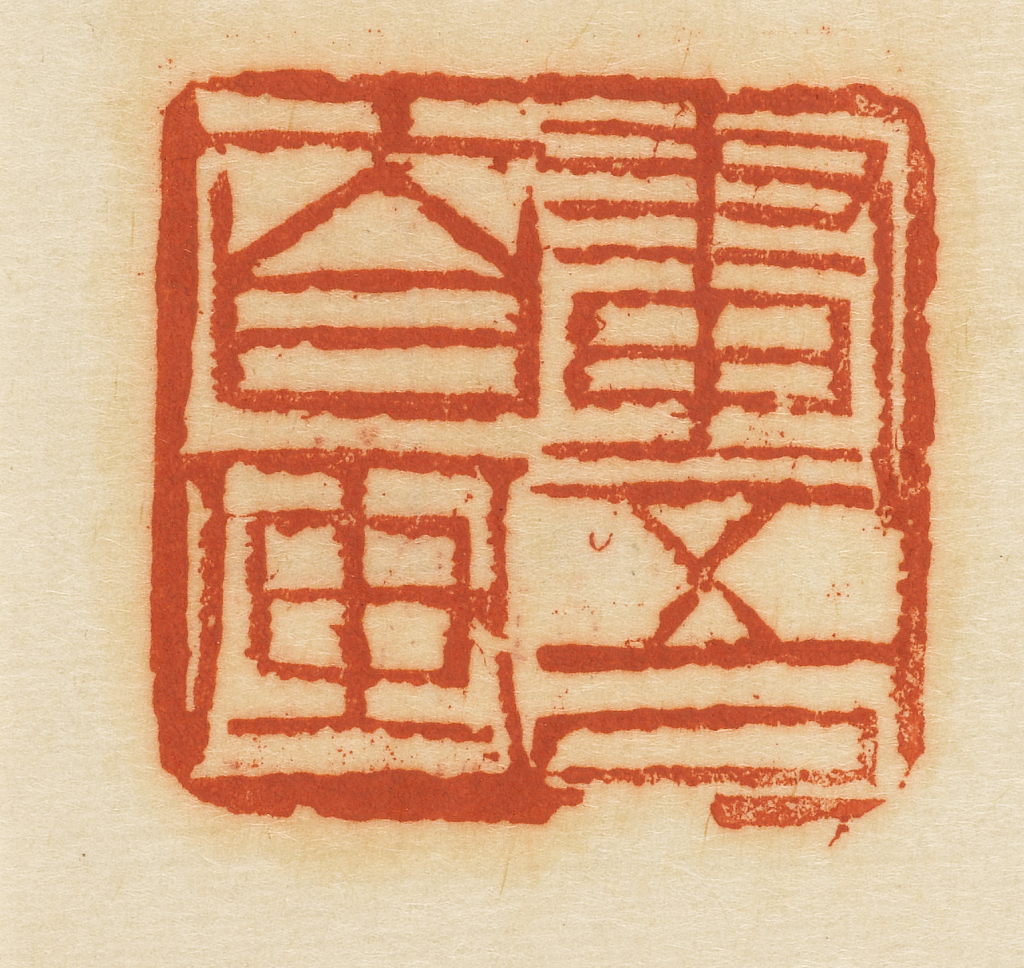
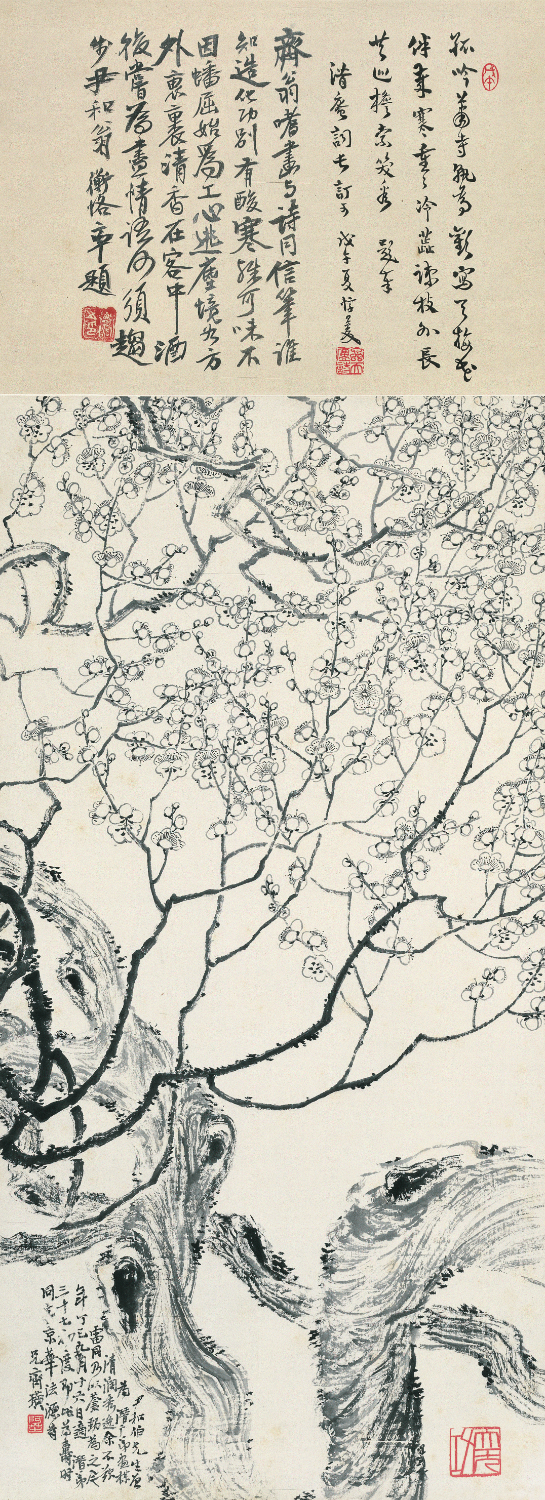
Qi’s surviving diaries record the friendship from another angle. A 1920 entry describes Chen asking for a small cabbage painting Qi had made on leftover paper. Entries from 1921 recount their exchanges around a celebration of the lotus flower. Lü reads these everyday episodes alongside their discussions of painting to show a relationship sustained by both artistic criticism and practical support.
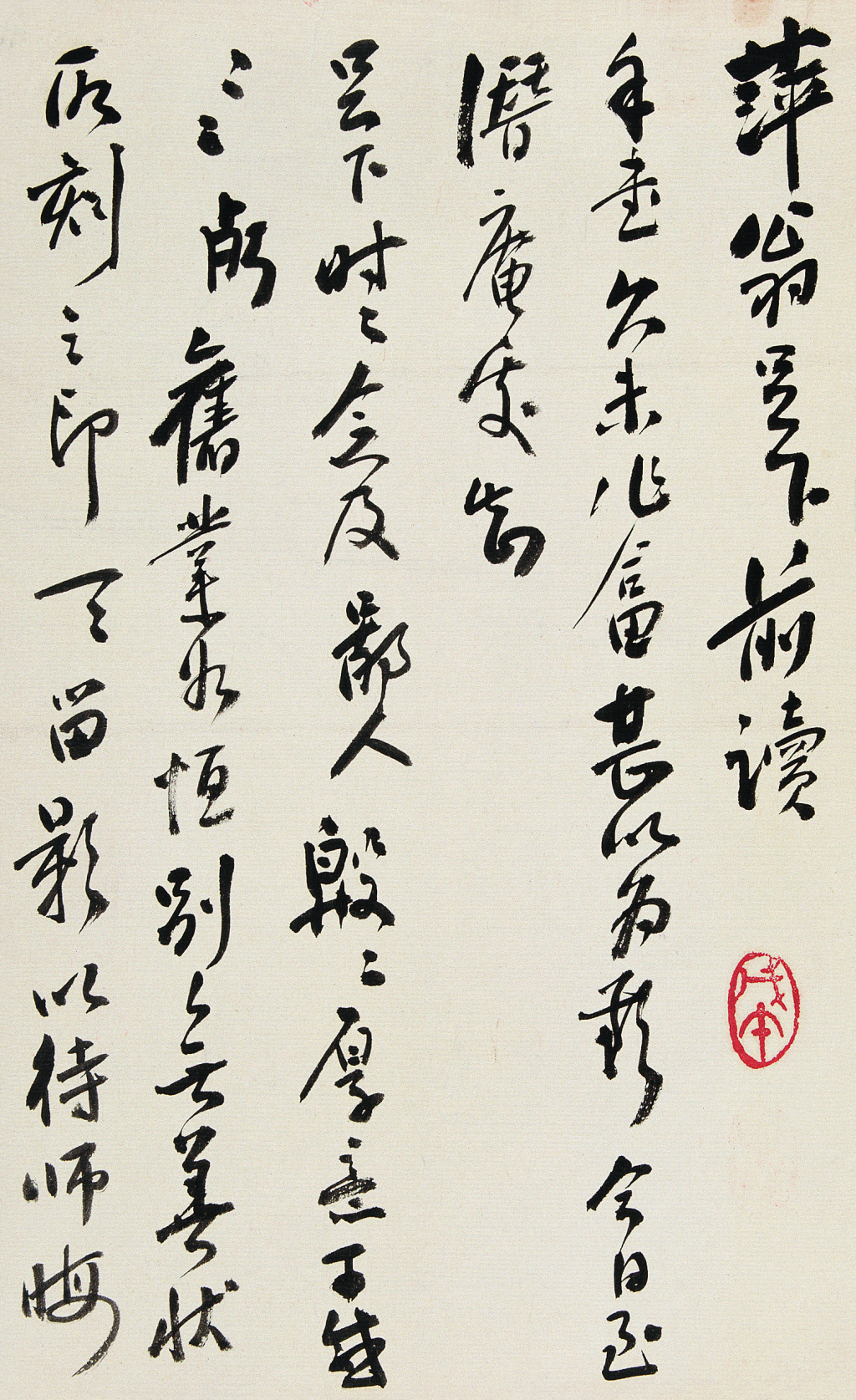
Chen also took nine of Qi’s works to a joint Chinese–Japanese painting exhibition in Tokyo in May 1922. Qi later recalled that they all sold and credited Chen’s promotion with helping his career. That account of the sales and their effect is Qi’s own retrospective testimony. Chen died in Nanjing on September 17, 1923; Qi’s later poems repeatedly returned to the loss of his friend.
Lü’s central correction is chronological, not a denial of the friendship described in Qi’s autobiography. The dated objects show the artists were in contact by the seventh lunar month of 1917. The letters, diaries and later poems illuminate how that relationship developed, while leaving some details—including their first encounter—unresolved.