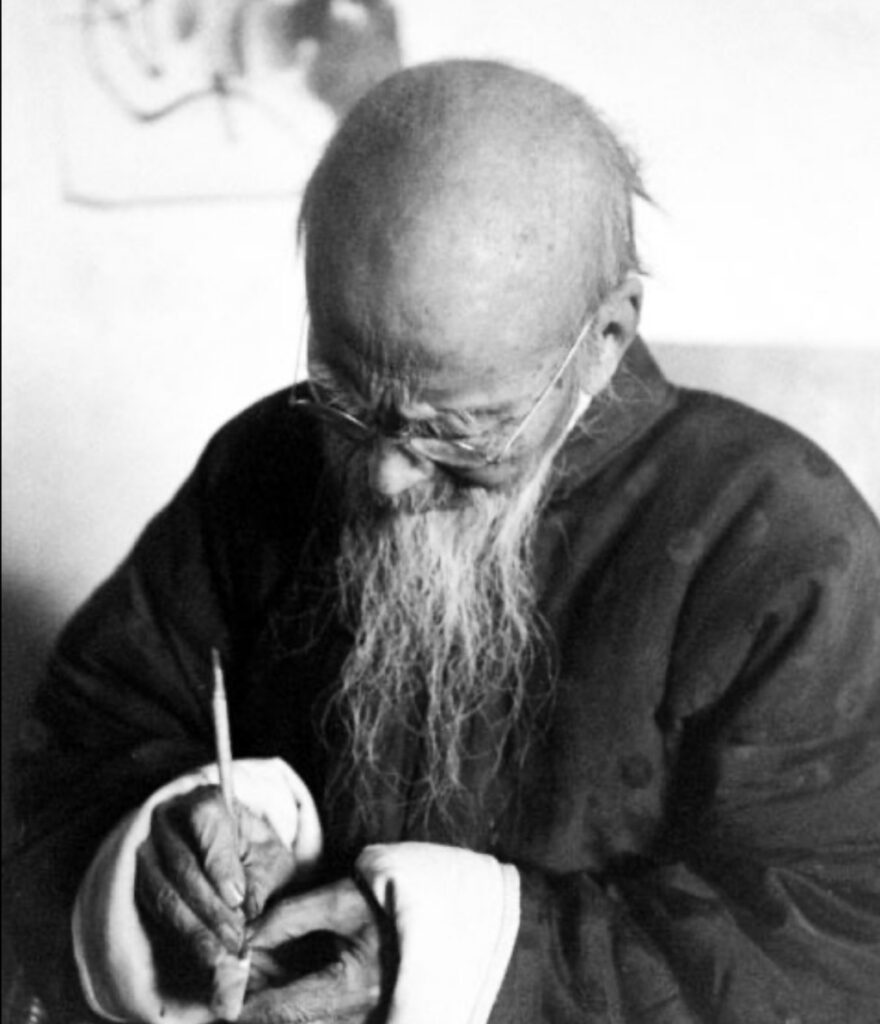
As reported on November 21, 2026, an exhibition at the Beijing Fine Art Academy, Never Retrace the Knife: Qi Baishi’s Artistic Mind in Metal and Stone, accompanied the academy’s 2026 annual research meeting. The exhibition focuses on Qi’s seal carving. An accompanying analysis by Yin Yongjun, an associate research curator at the Xiangtan Museum, examines two ideas behind that work: studying Qin- and Han-dynasty seals, and drawing seal designs from calligraphy.
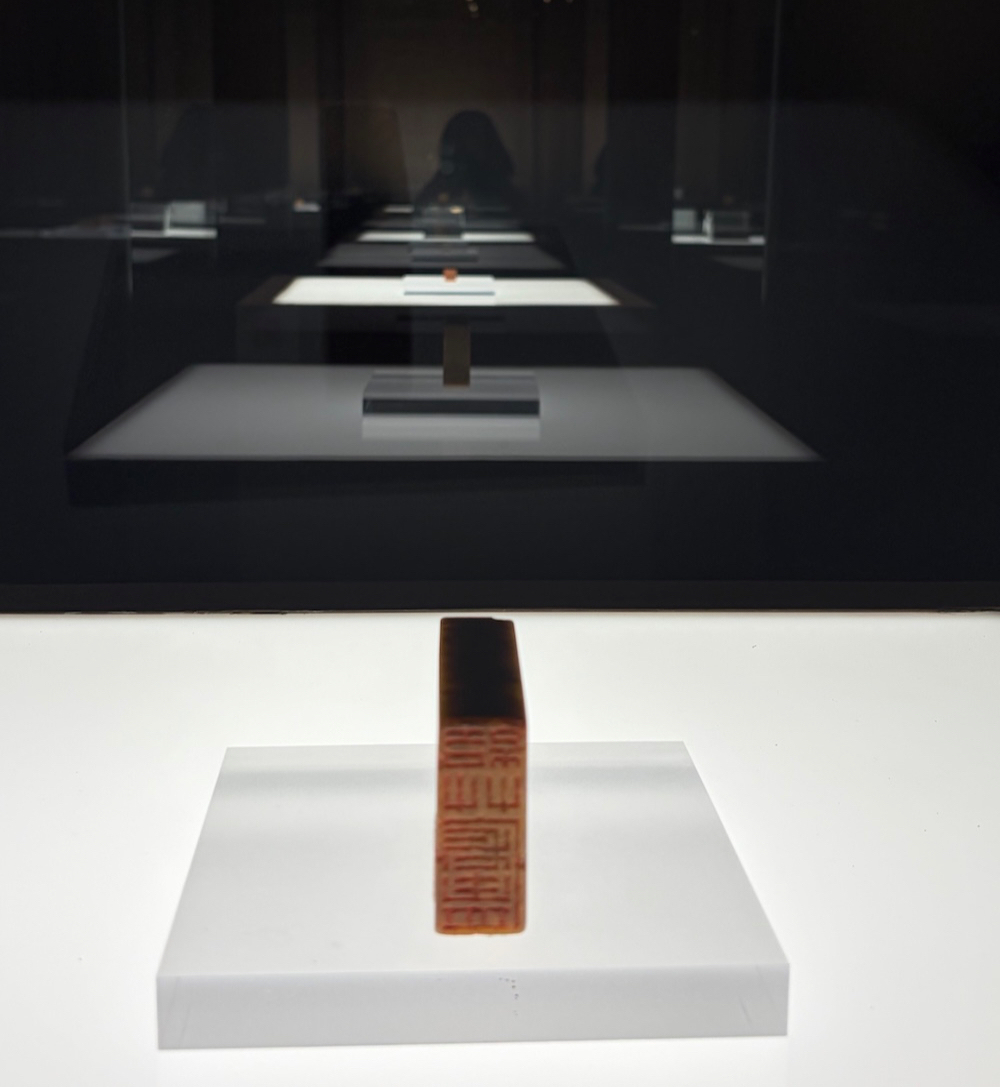

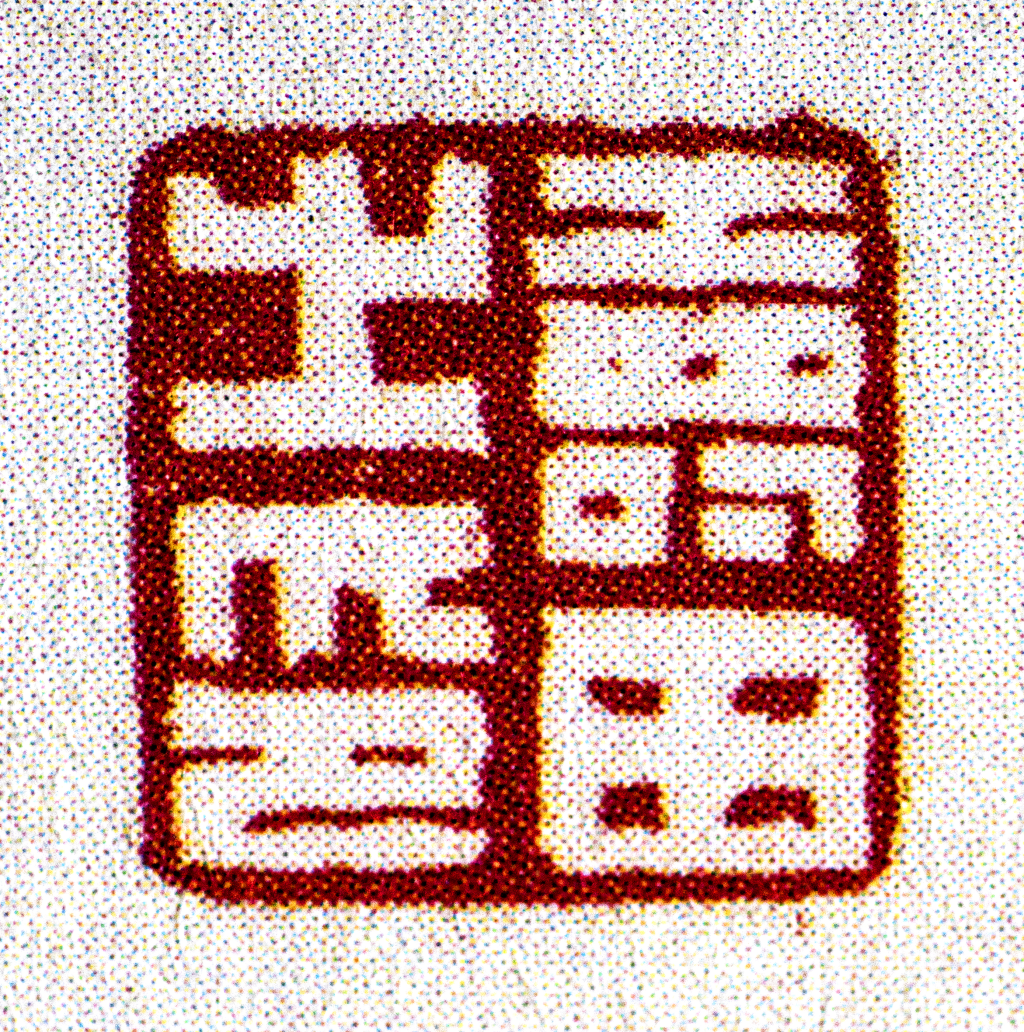
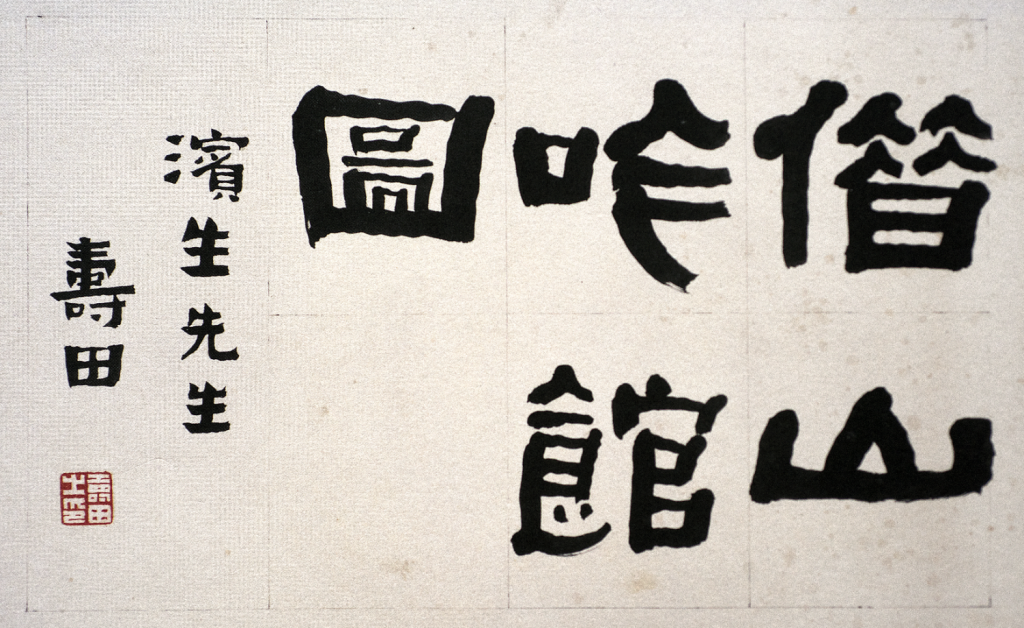
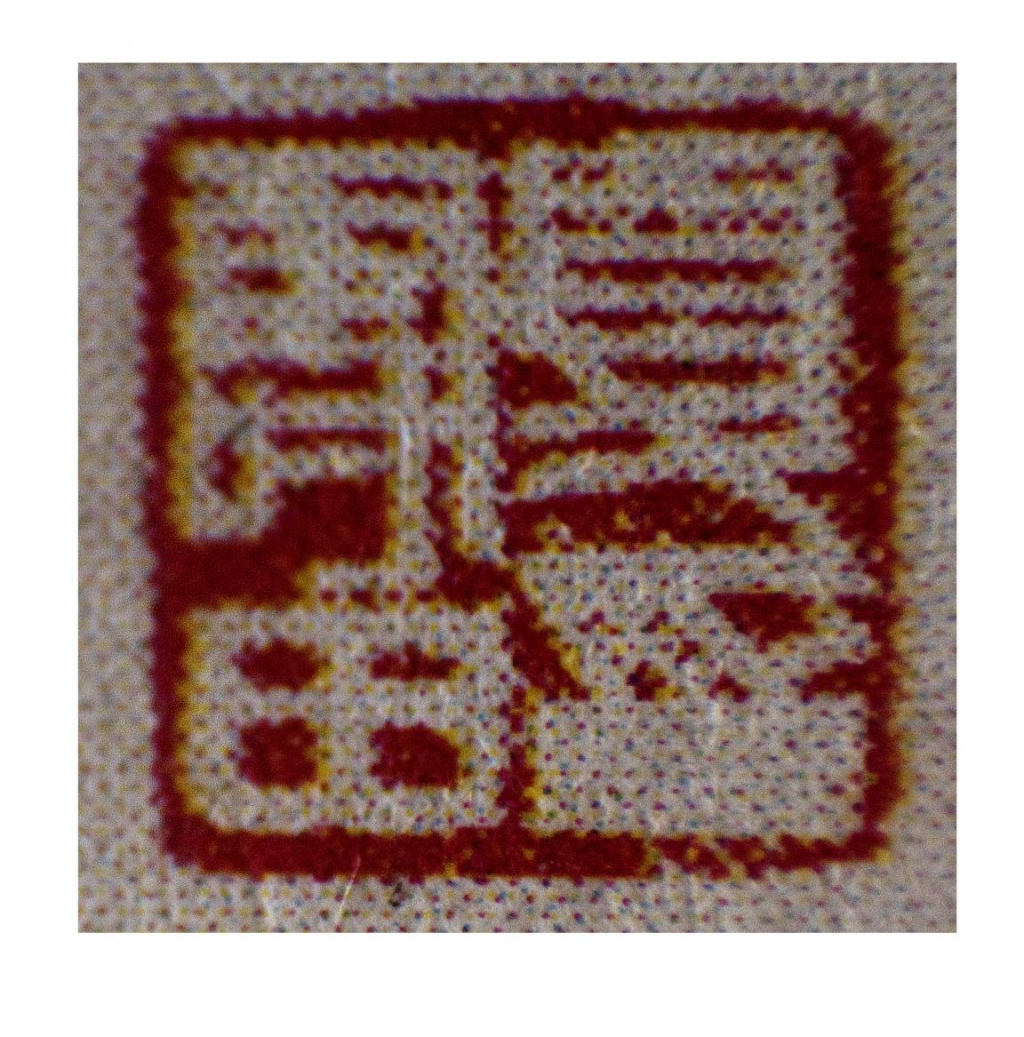

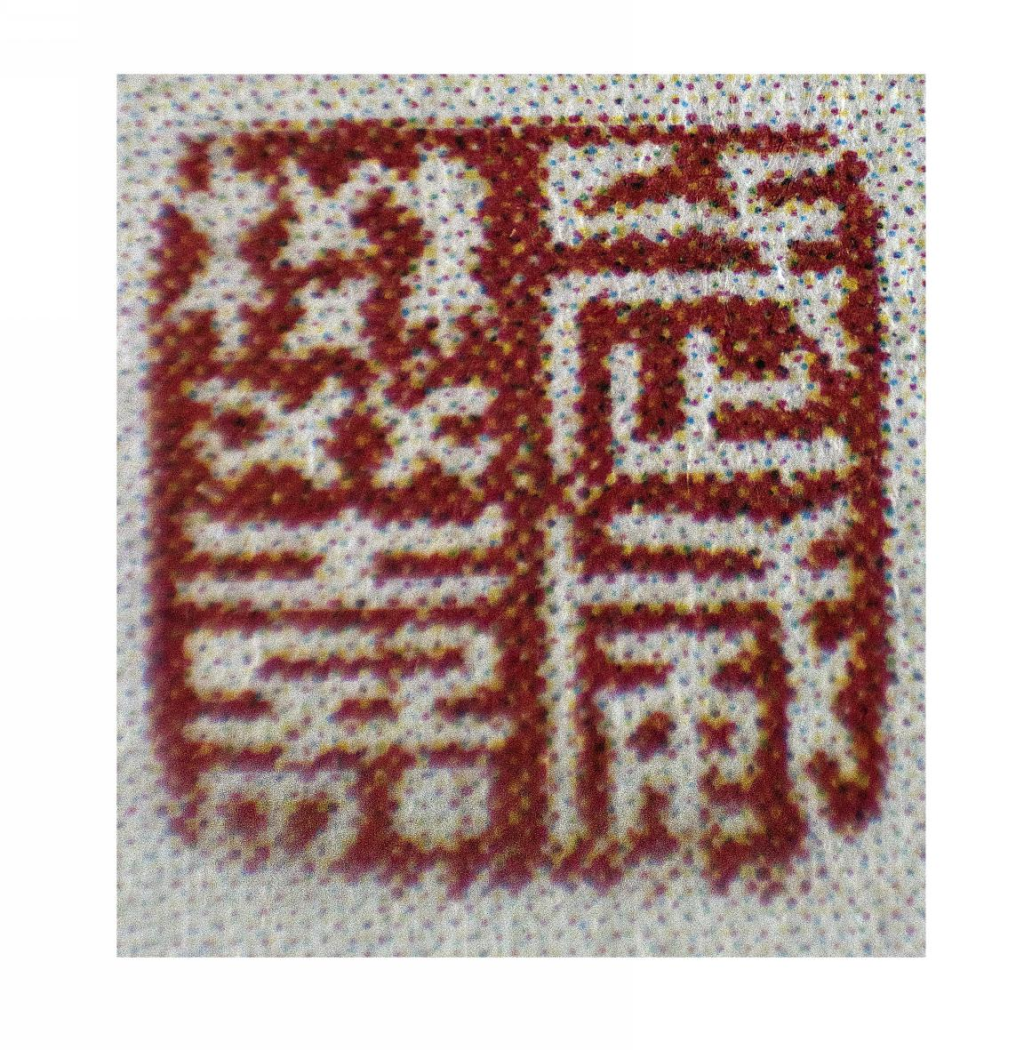
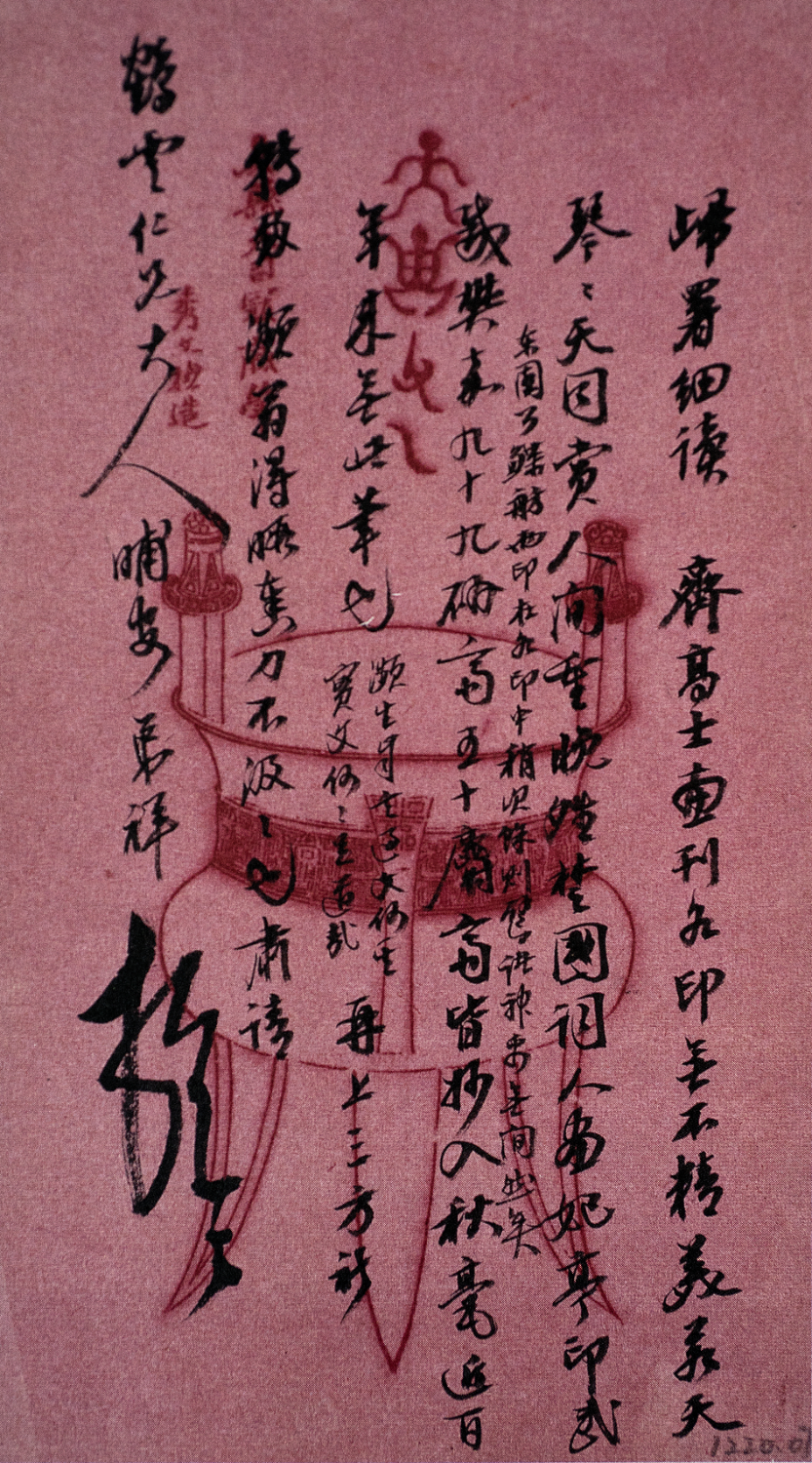
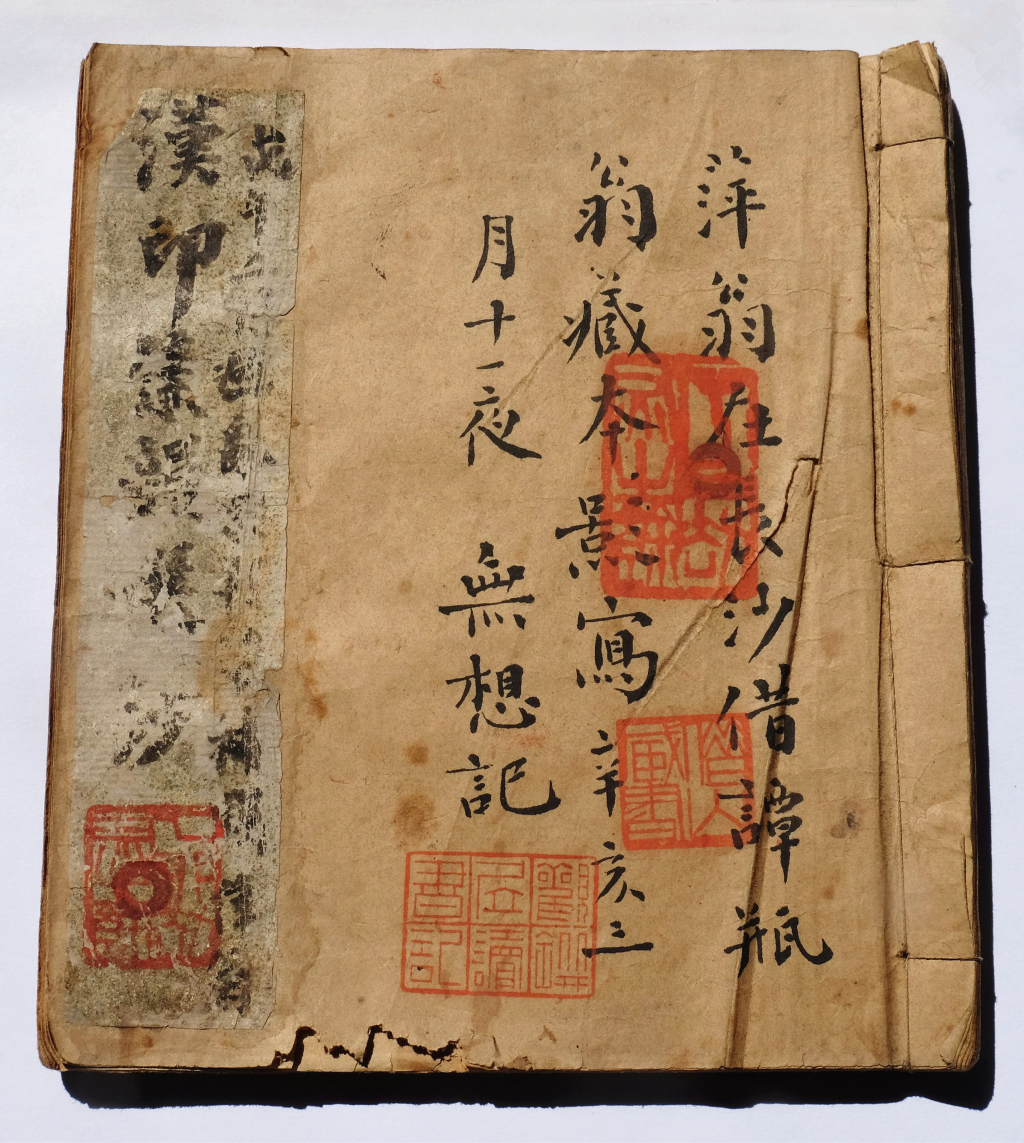
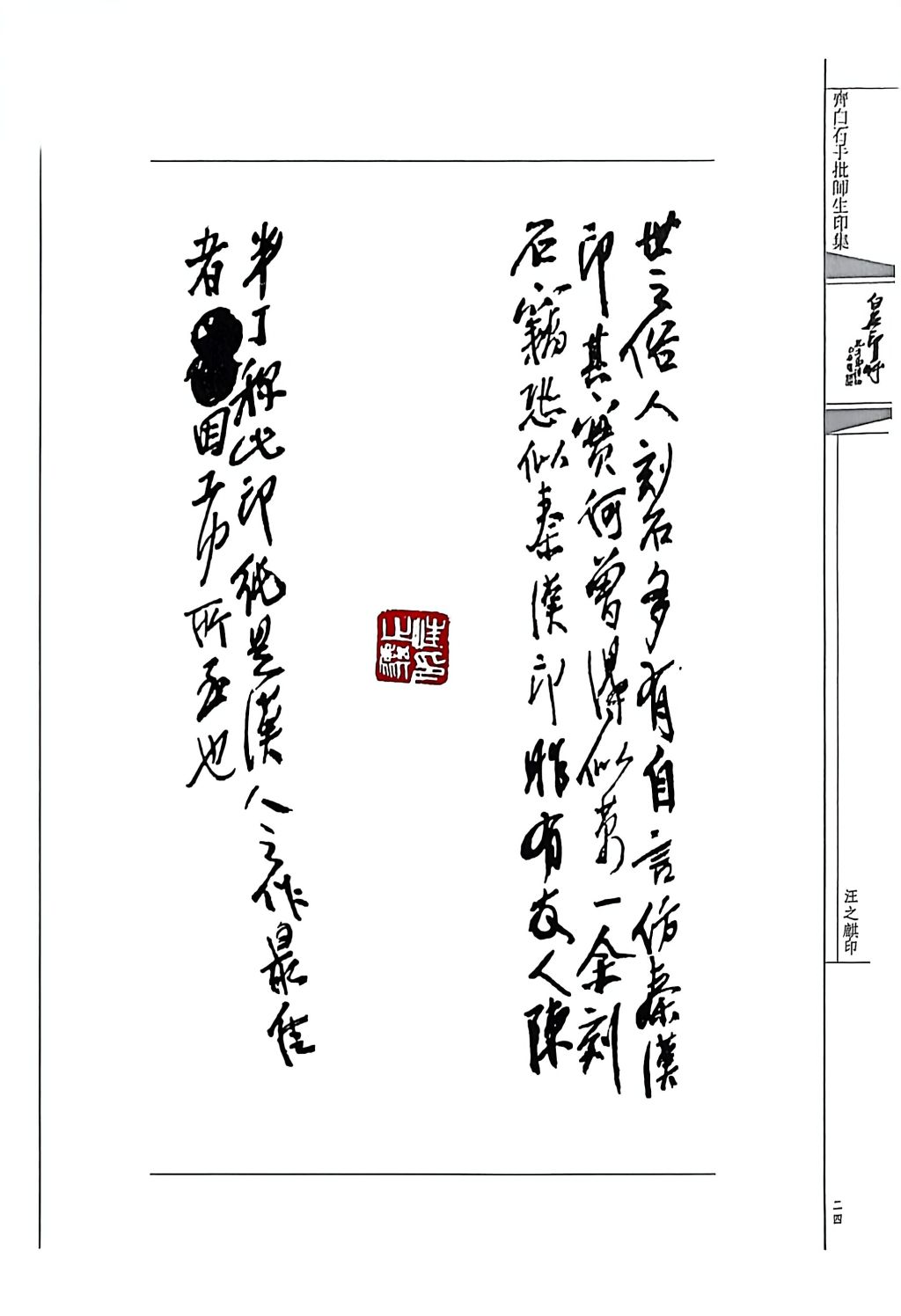
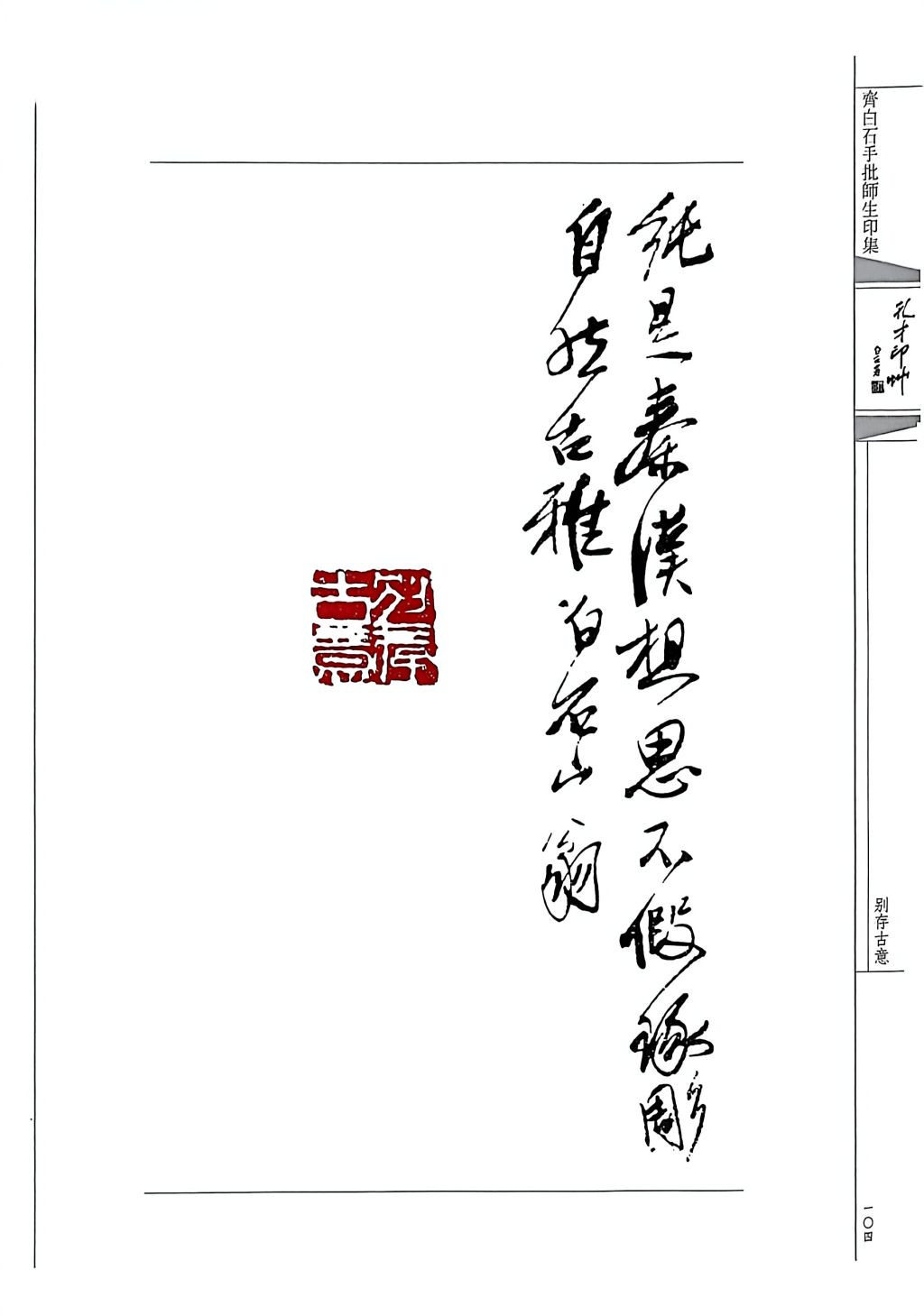


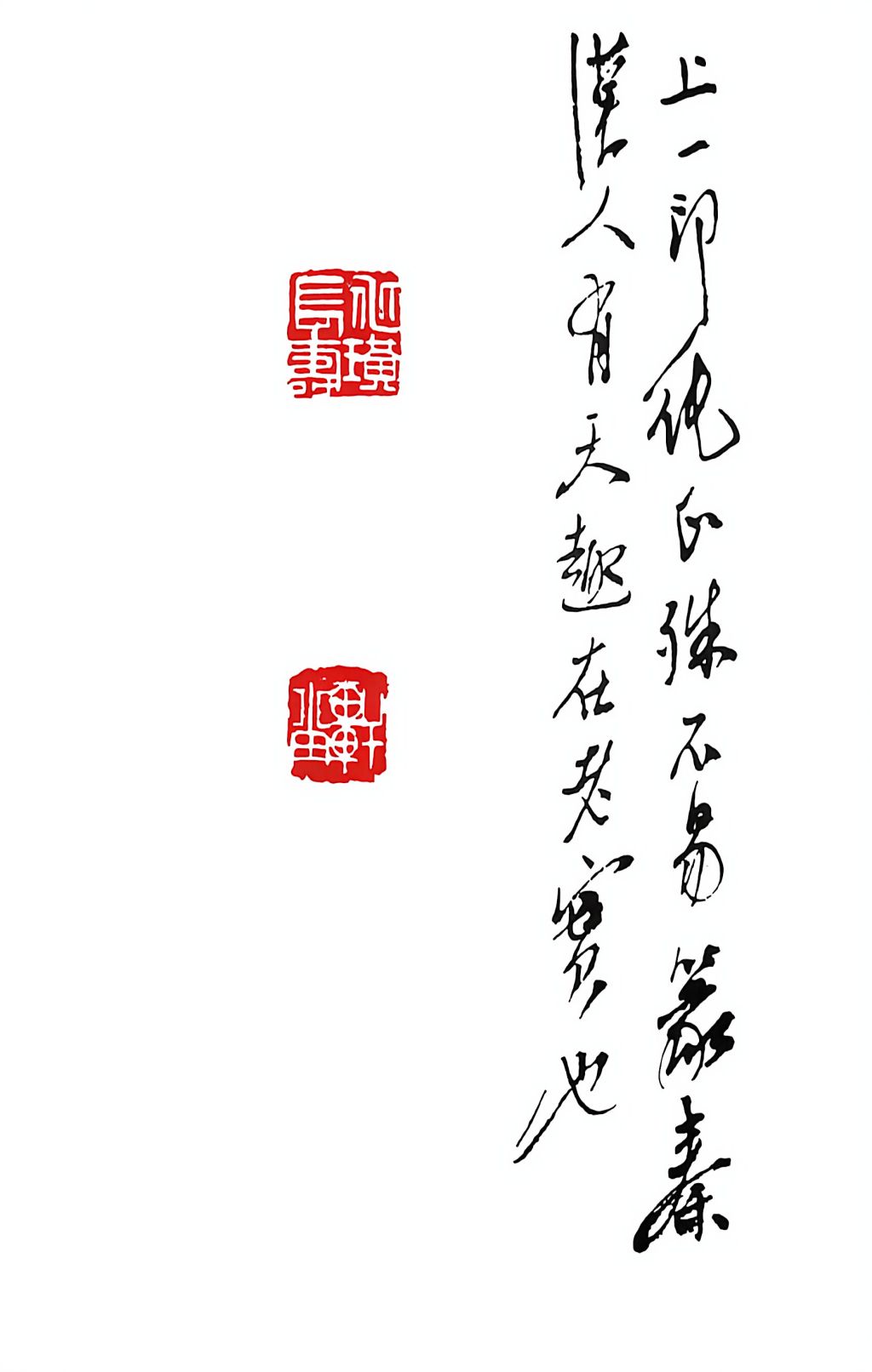

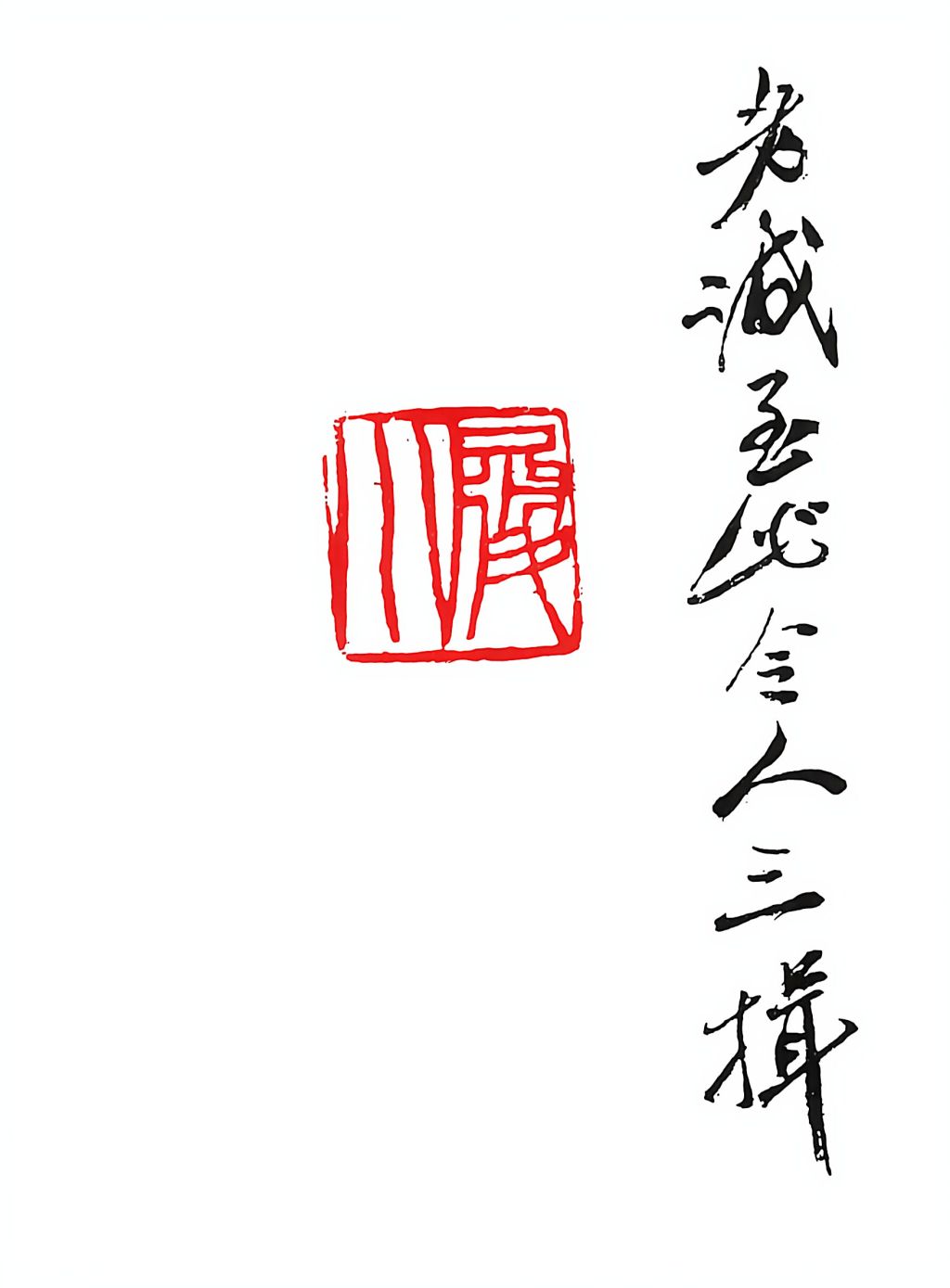


Yin traces Qi’s study of ancient seals to no later than 1902. He bases that assessment partly on four early seals in a Han style and on inscriptions and records that help date them. Qi’s diaries then document intensive study: in 1903, he wrote of selecting and copying hundreds of characters from seal collections. Records cited by Yin show that Qi was still copying seal models in 1921.
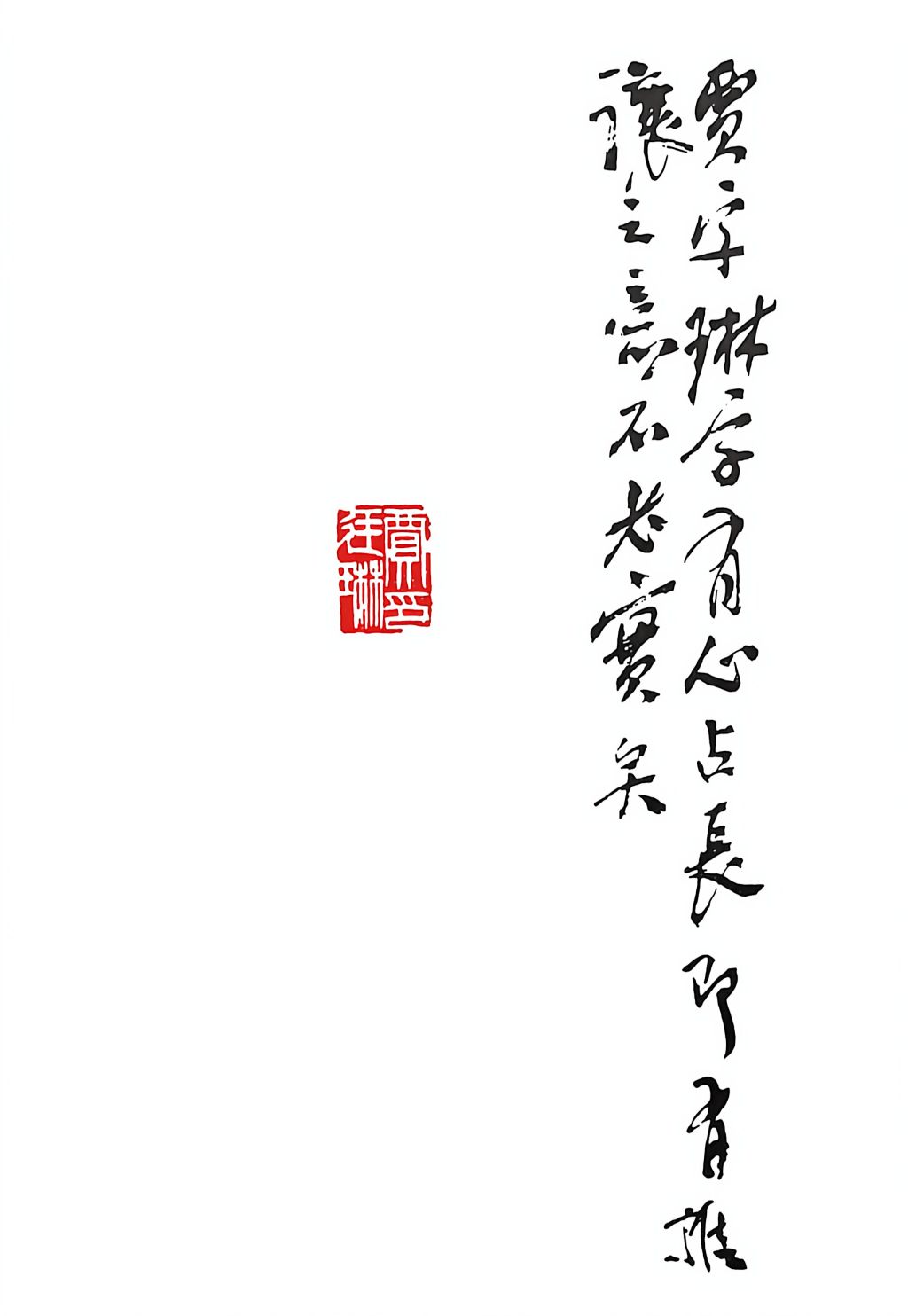
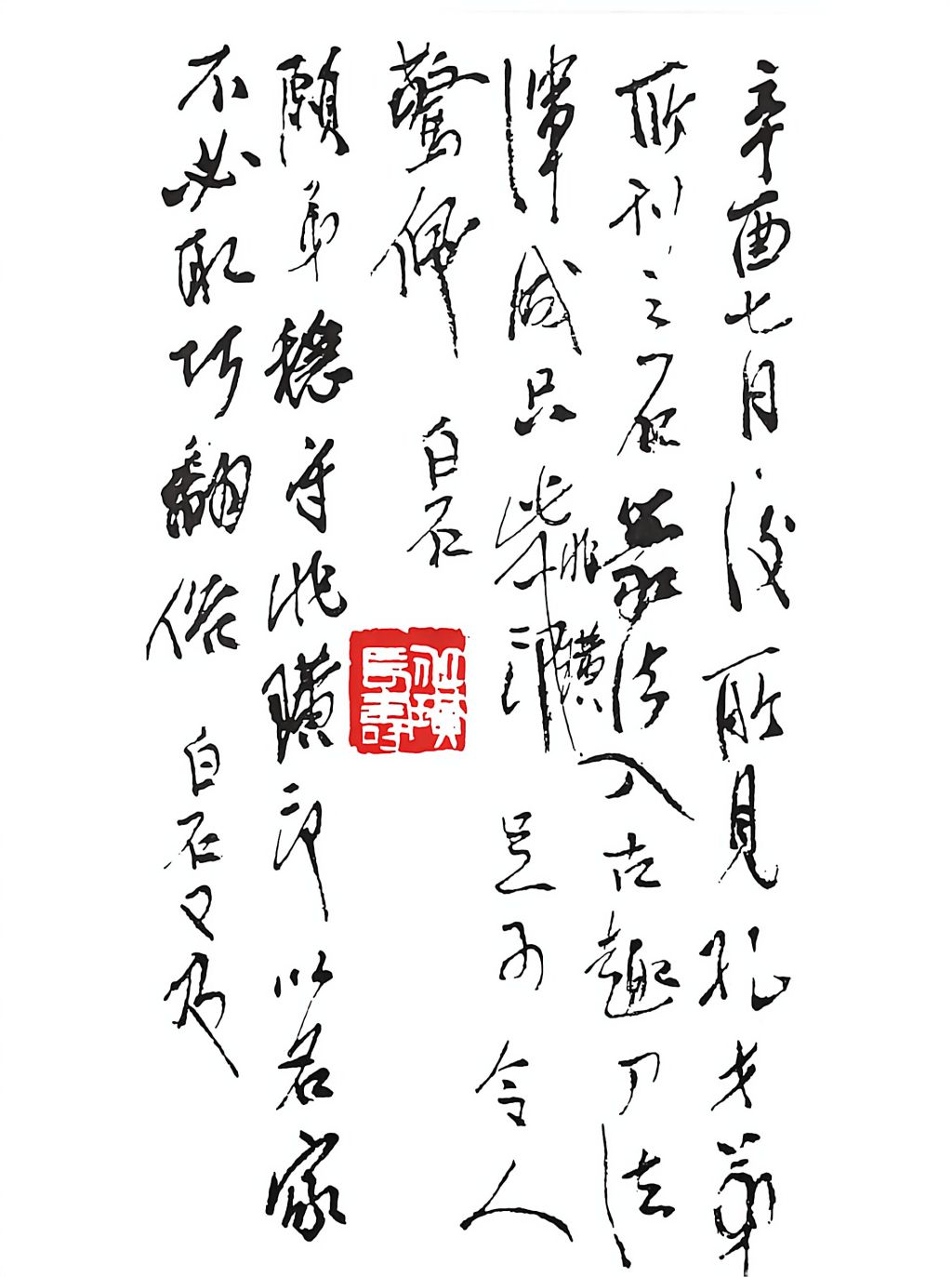
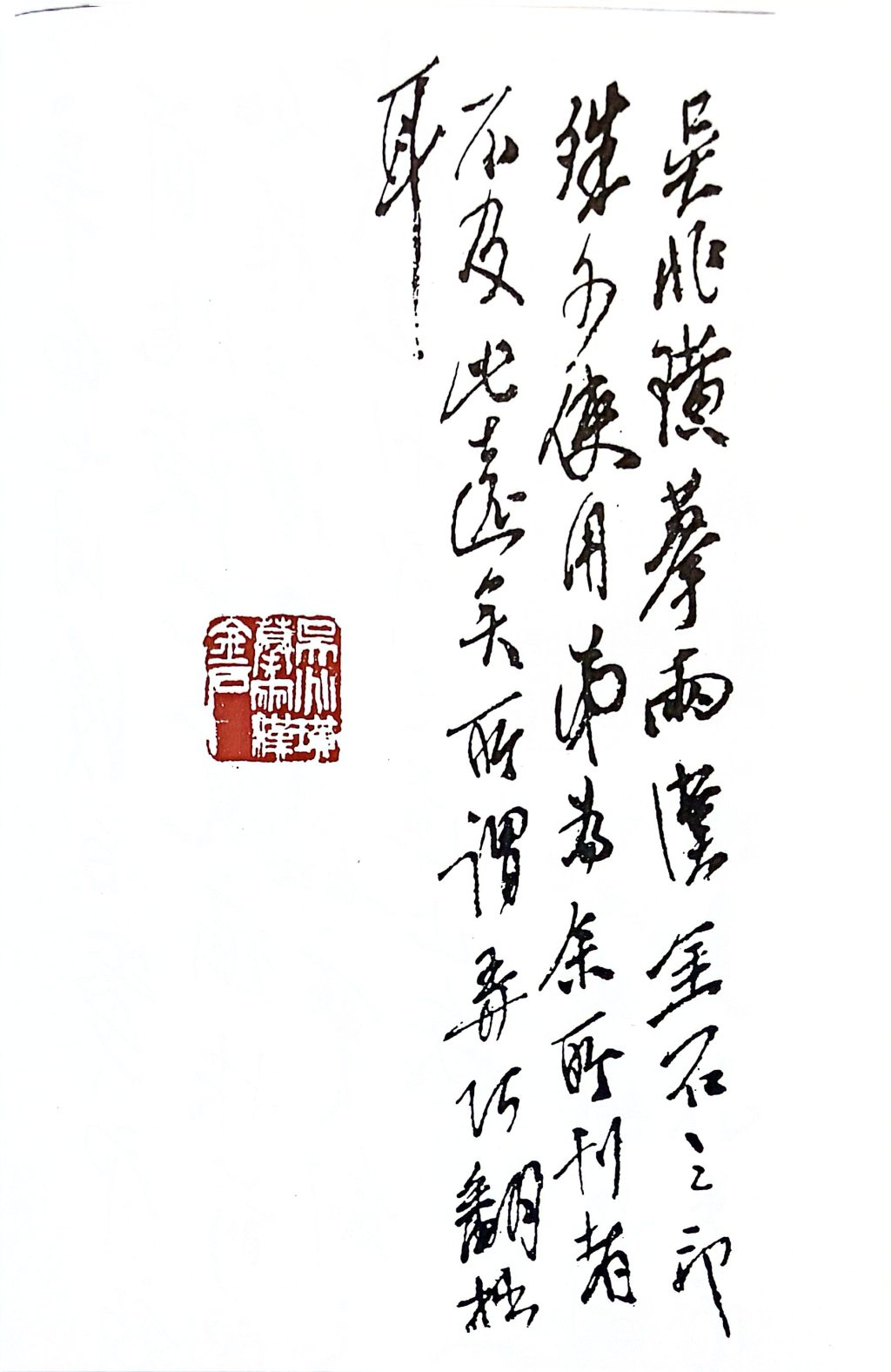
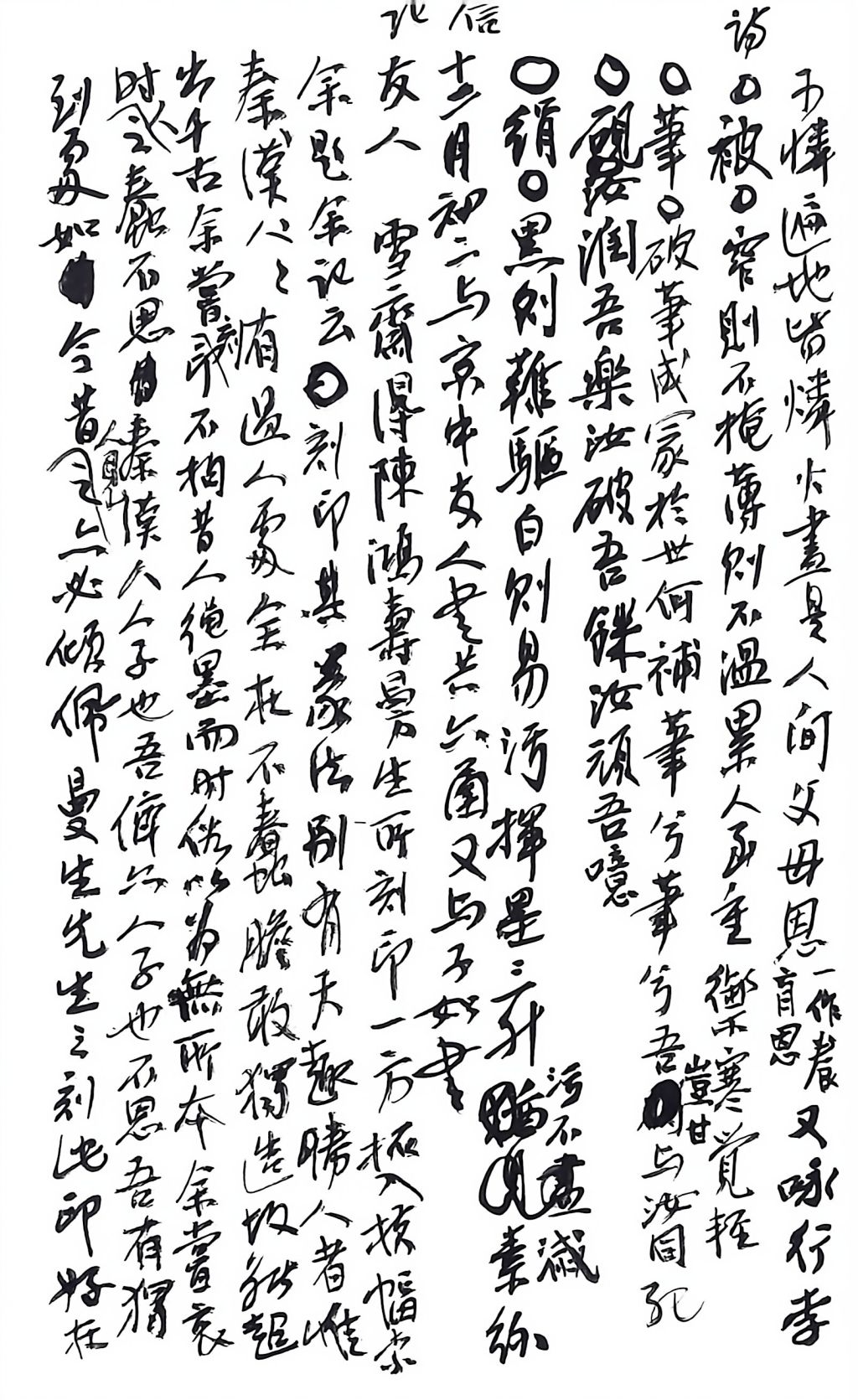
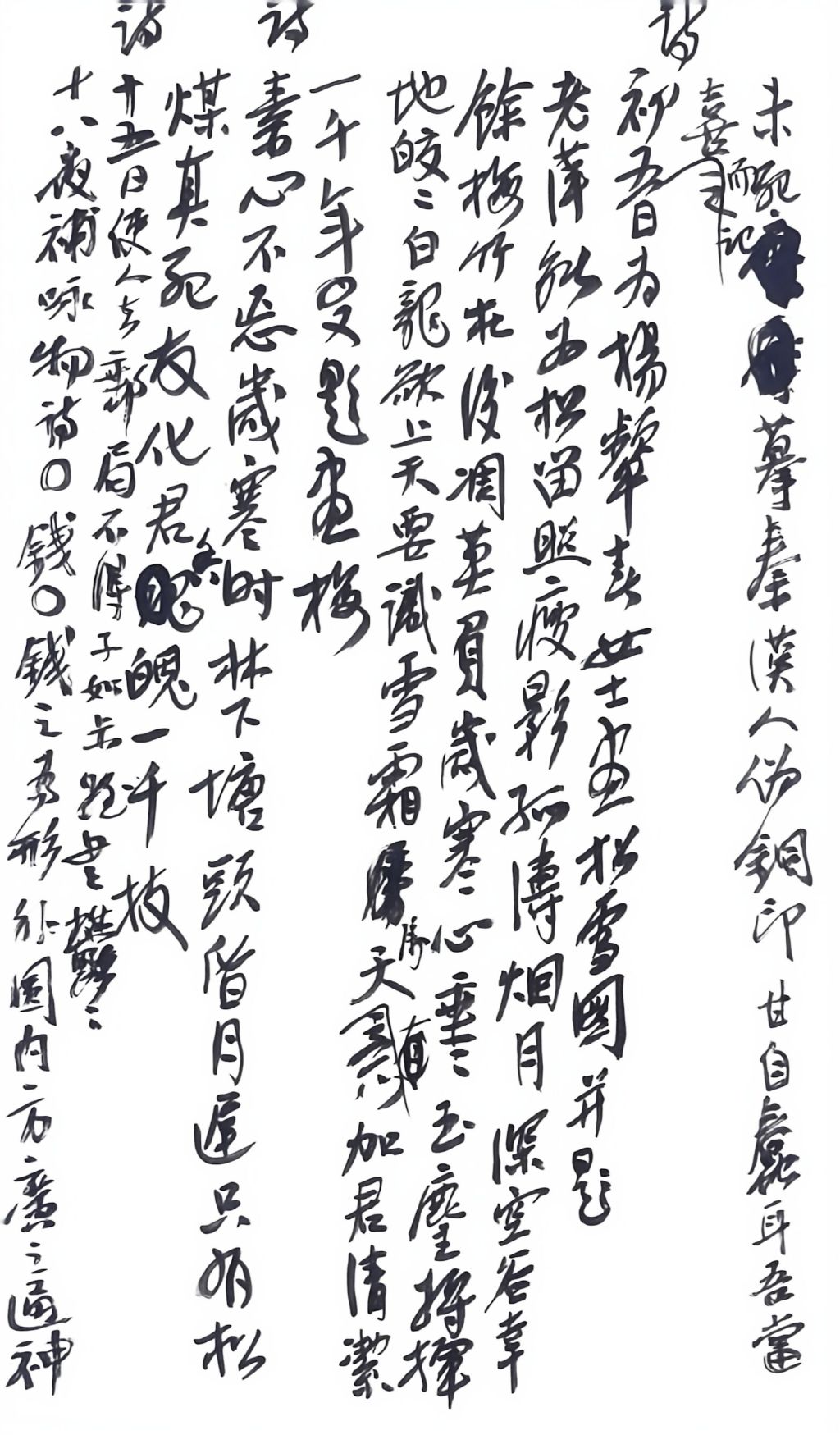
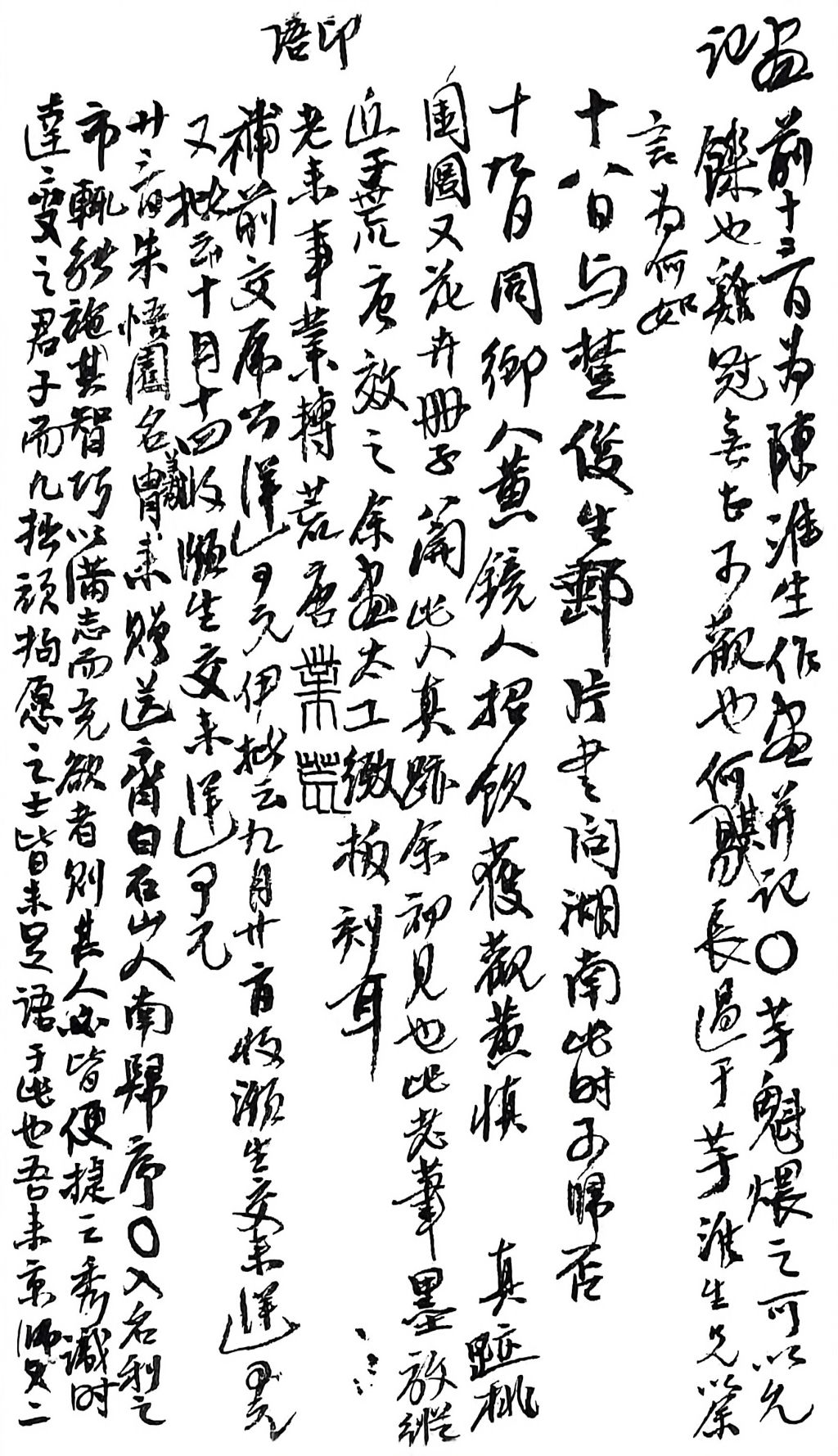
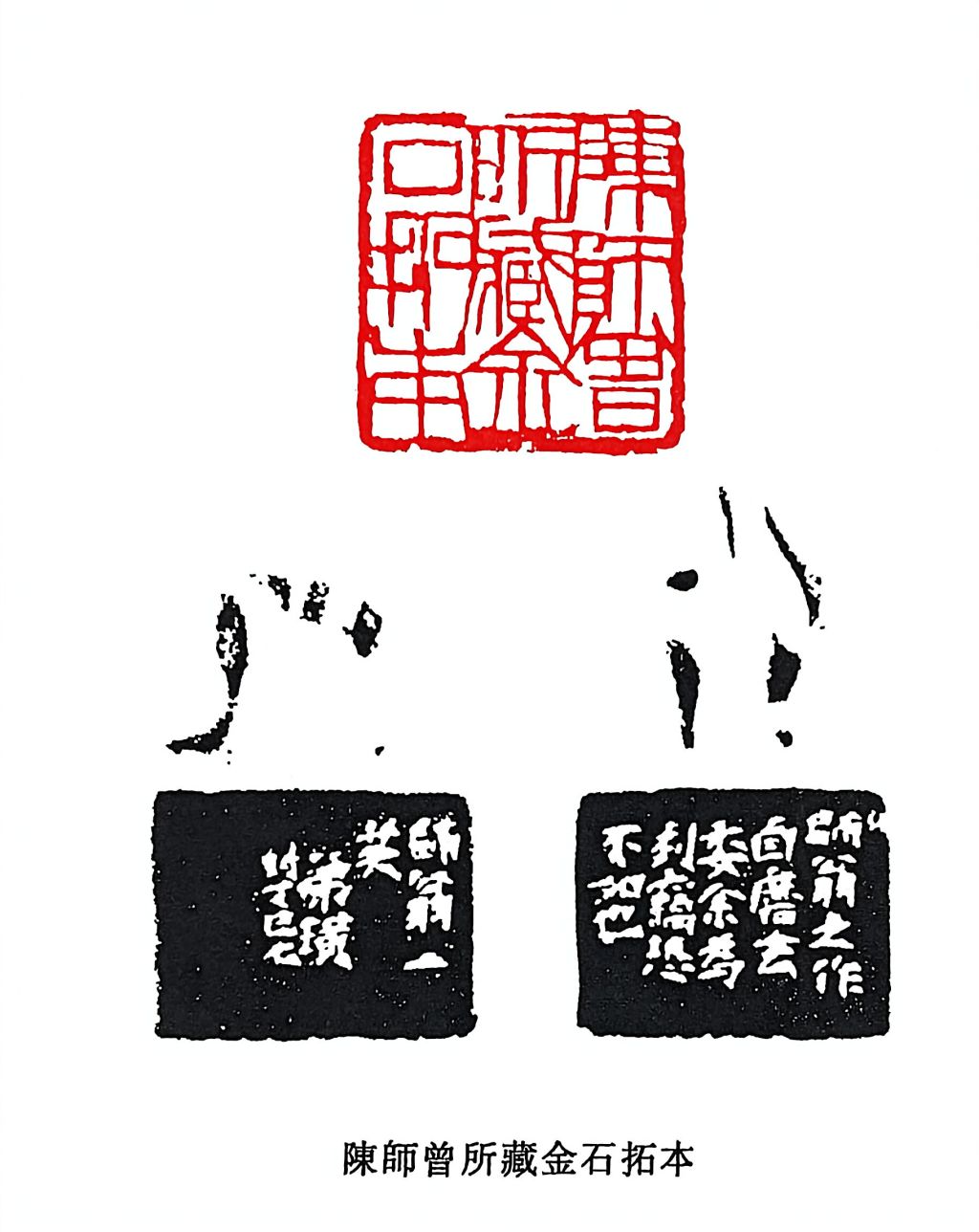



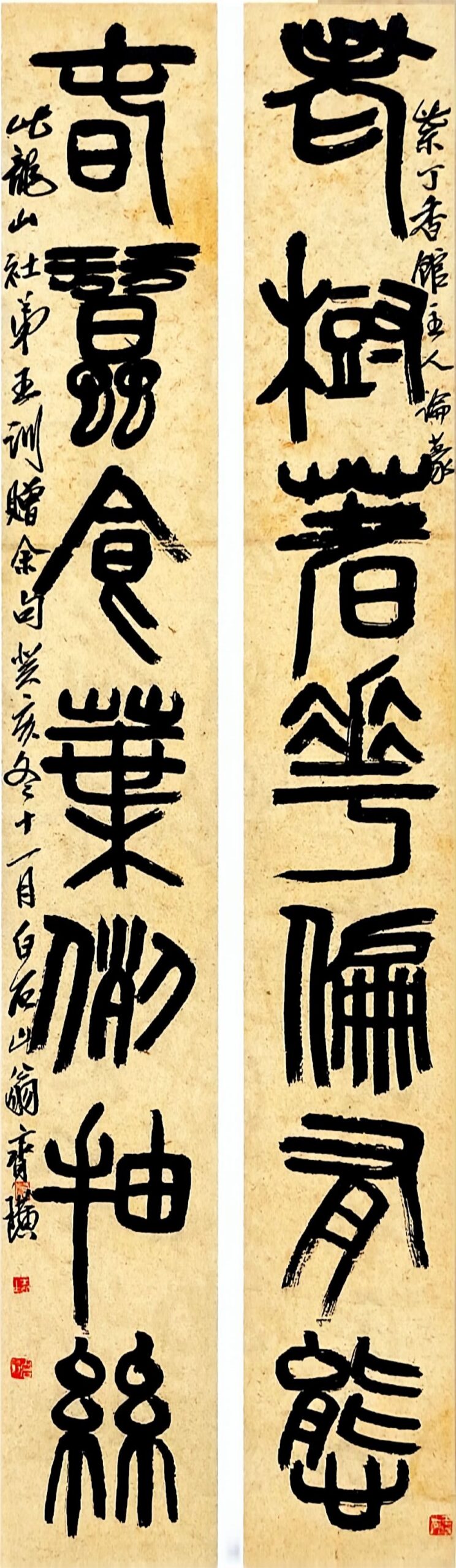
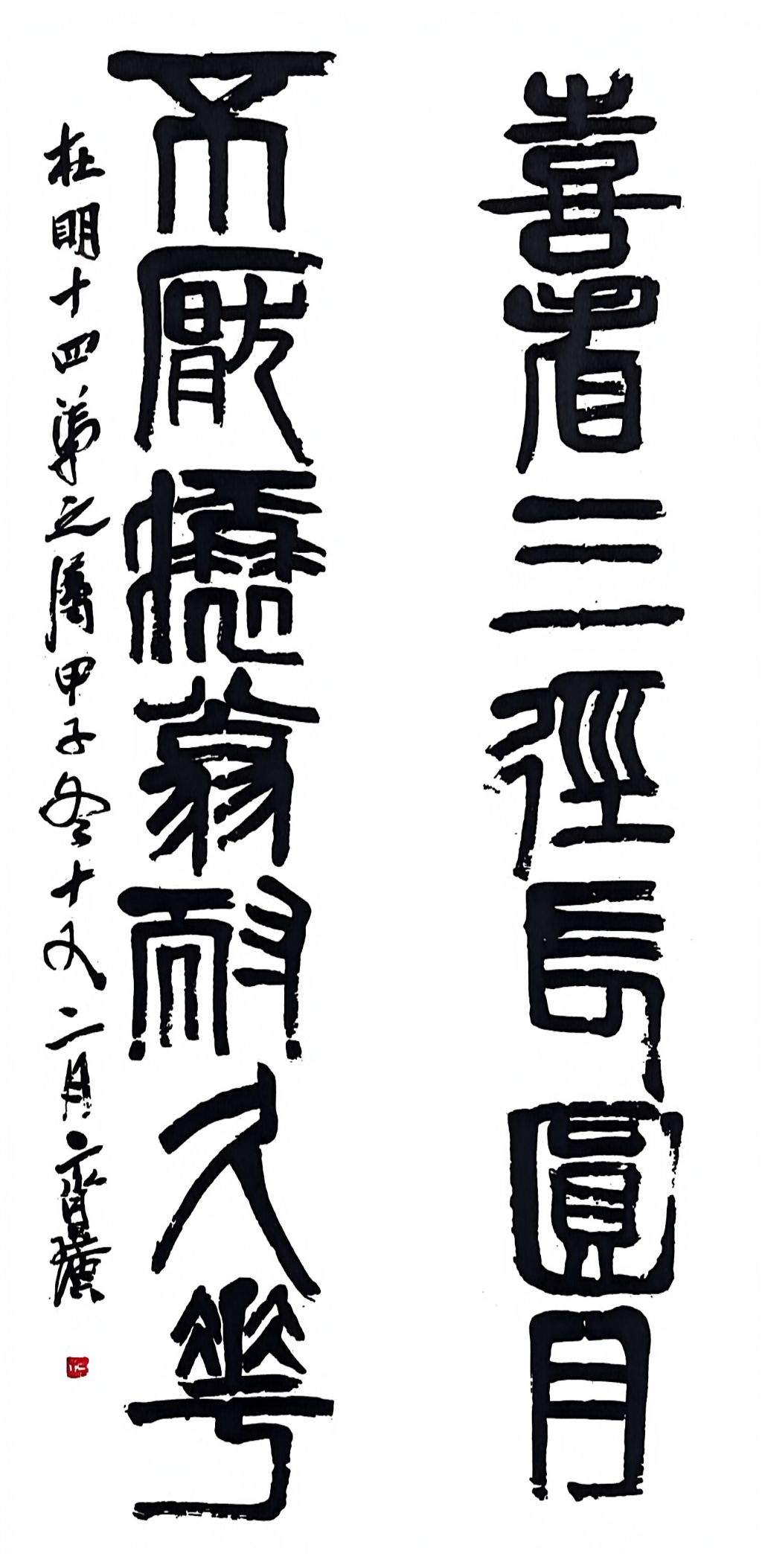
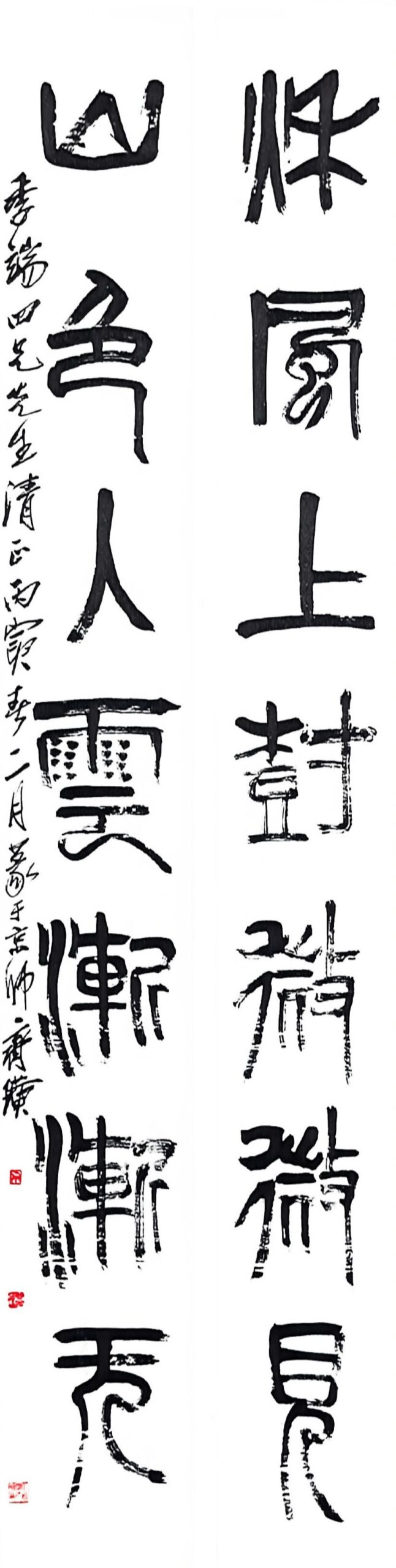
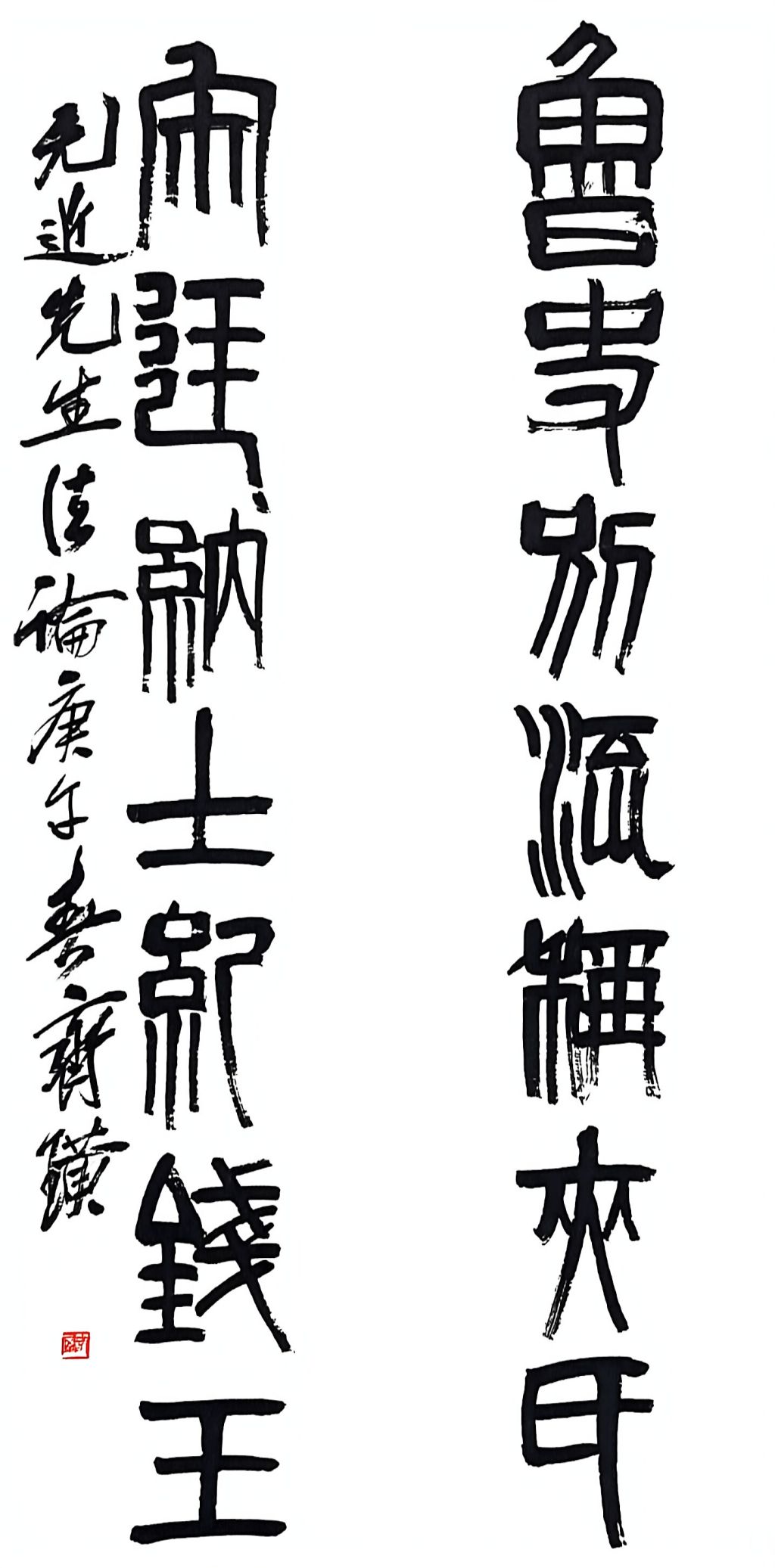
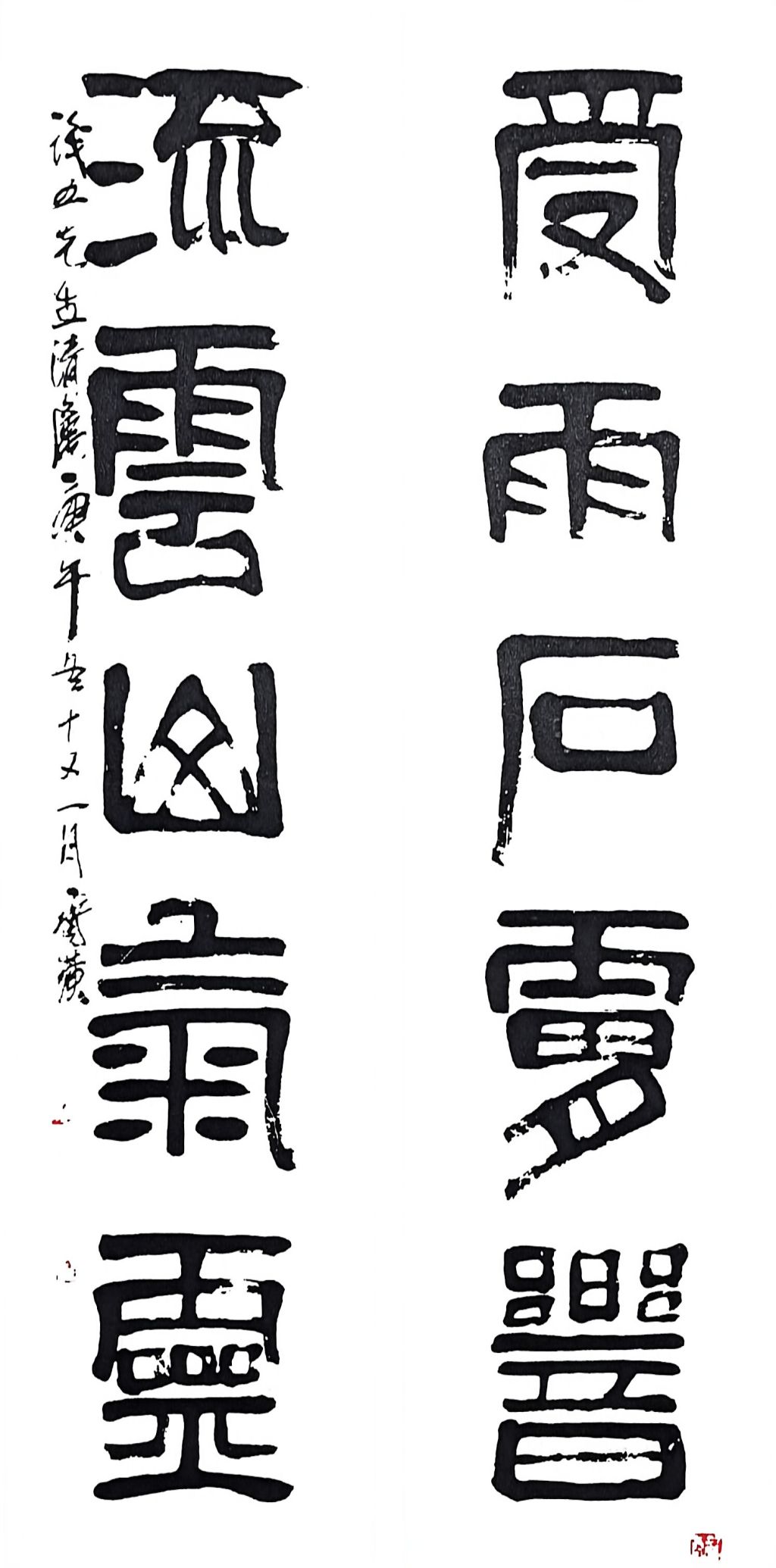
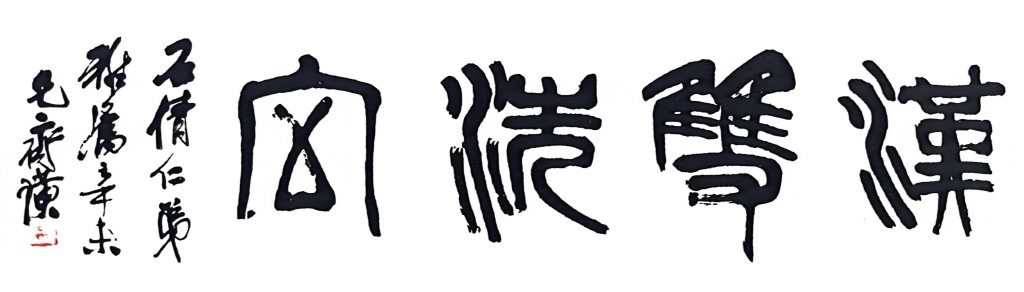

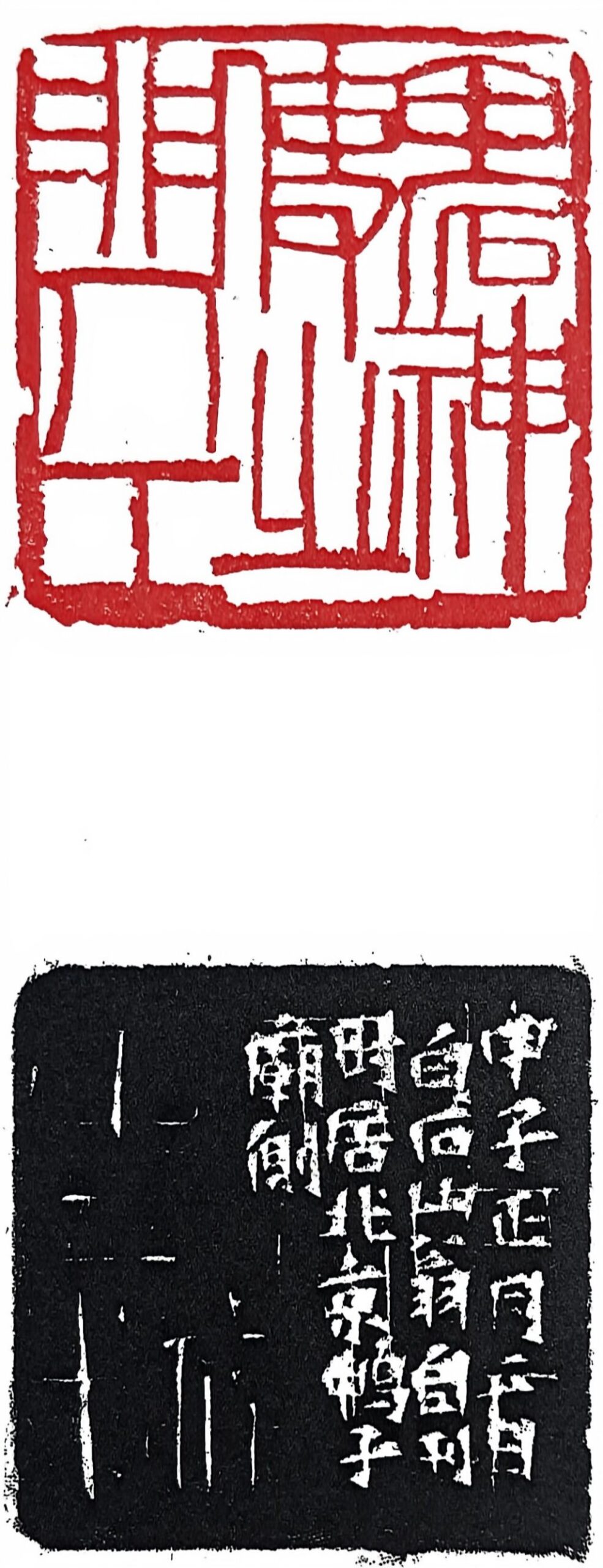
Ancient seals became a standard by which Qi judged both his own work and that of his students. But, in Yin’s reading, Qi did not advocate copying them without change. In a 1921 note, Qi praised the makers of Qin and Han seals for daring to create independently. His comments on students’ seals likewise valued an unforced, straightforward quality over contrivance.
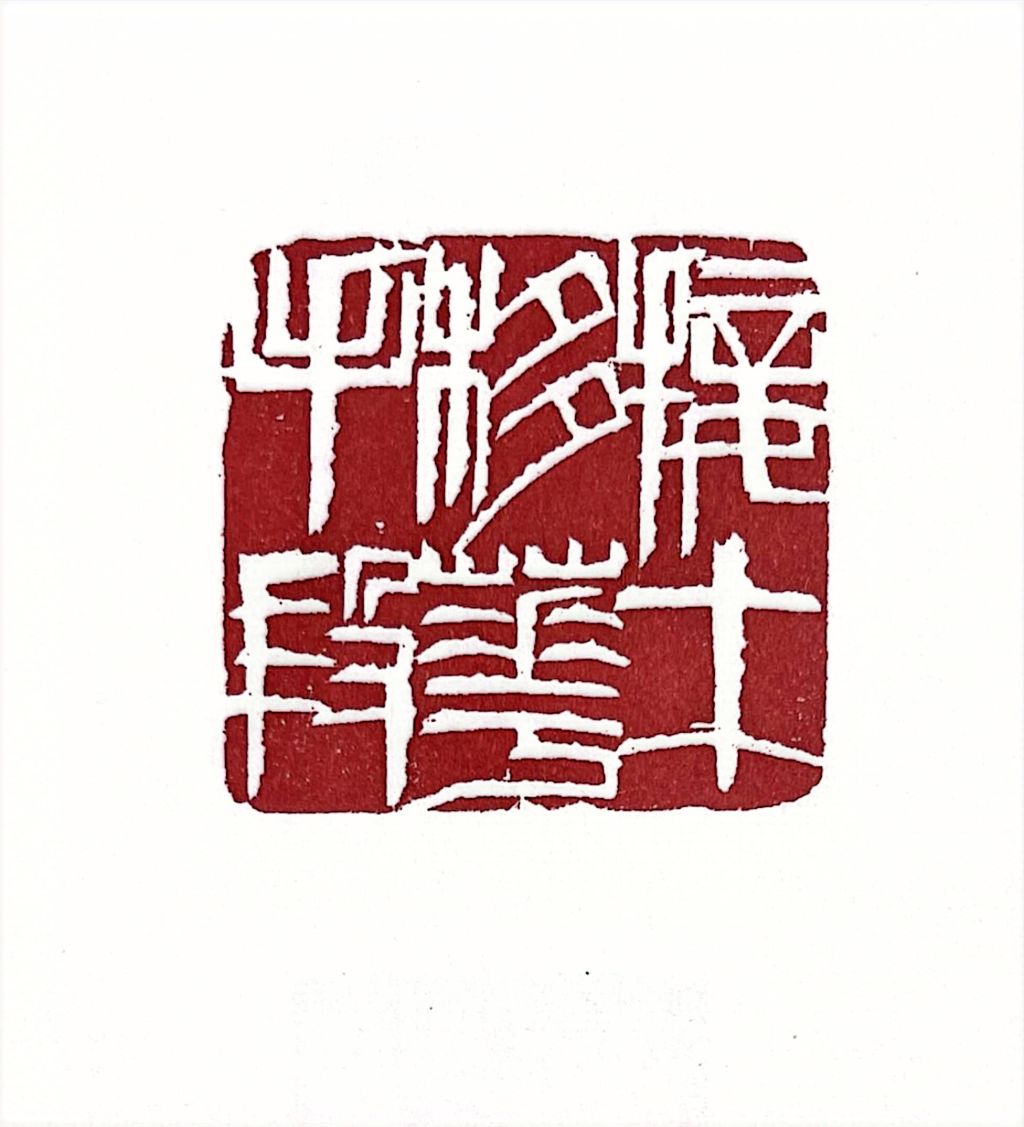
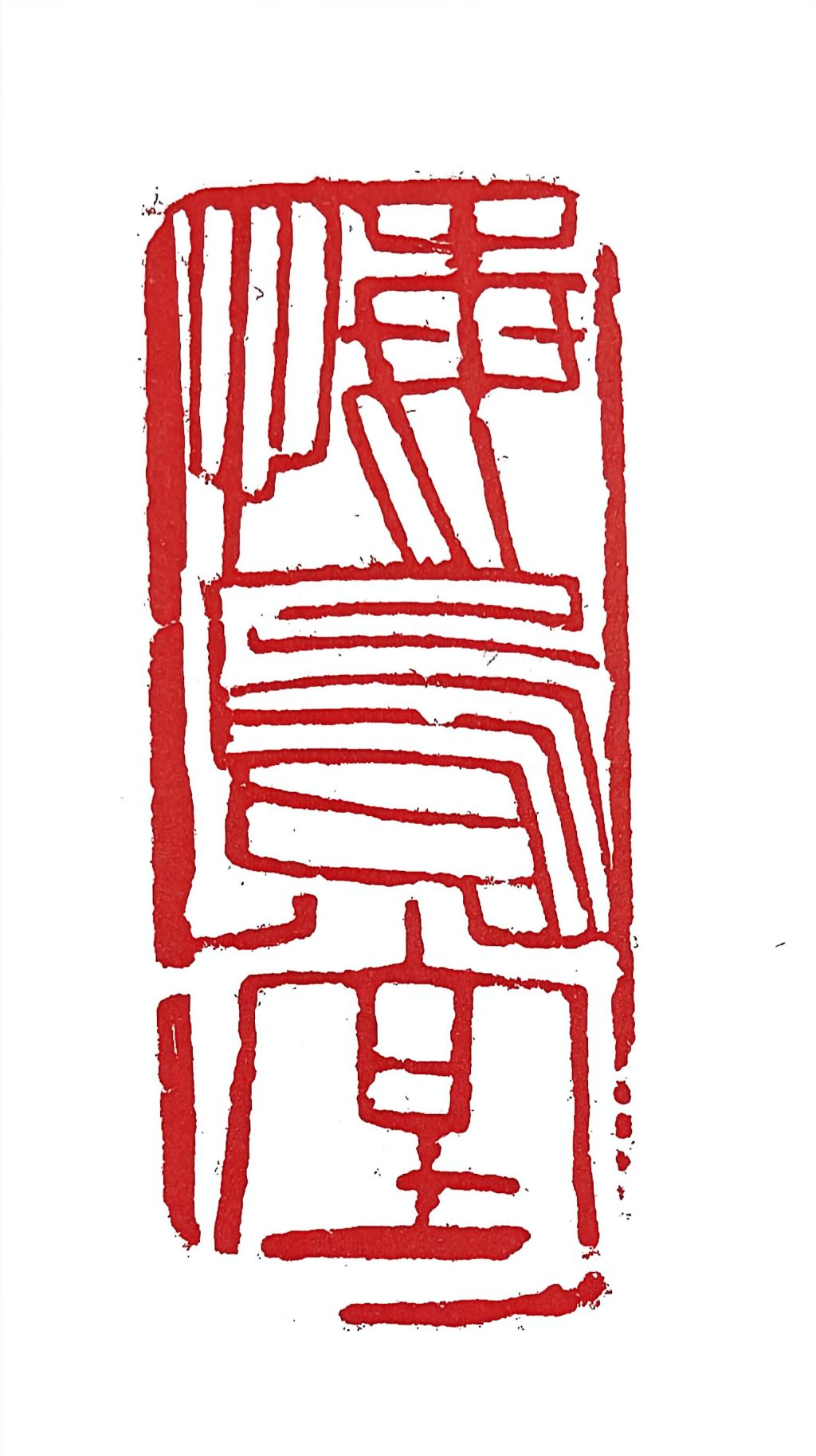
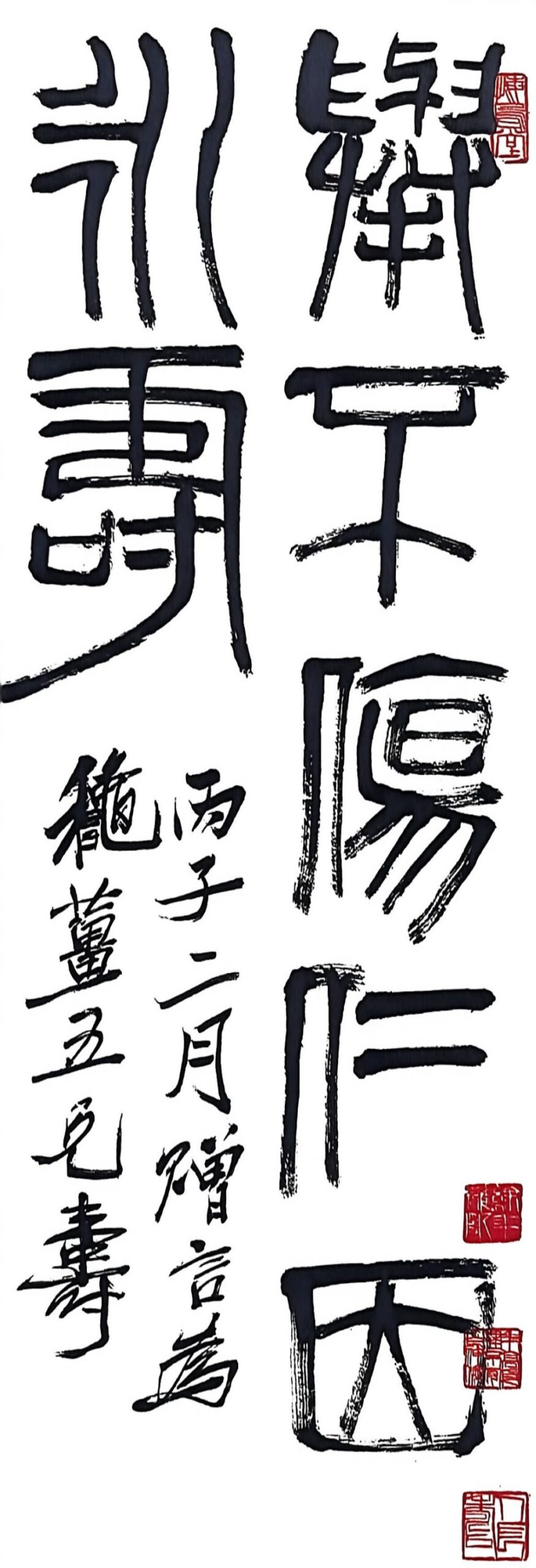
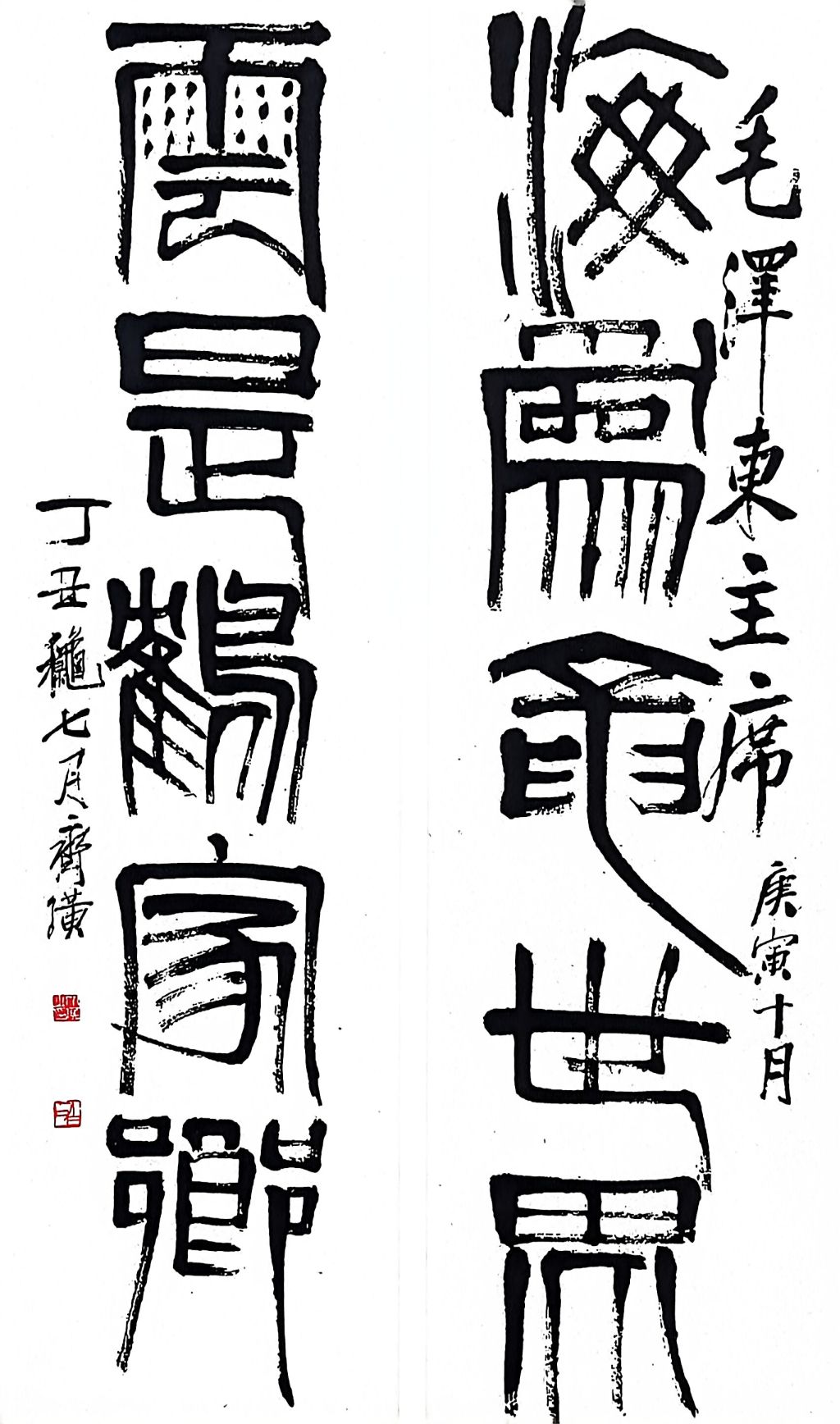
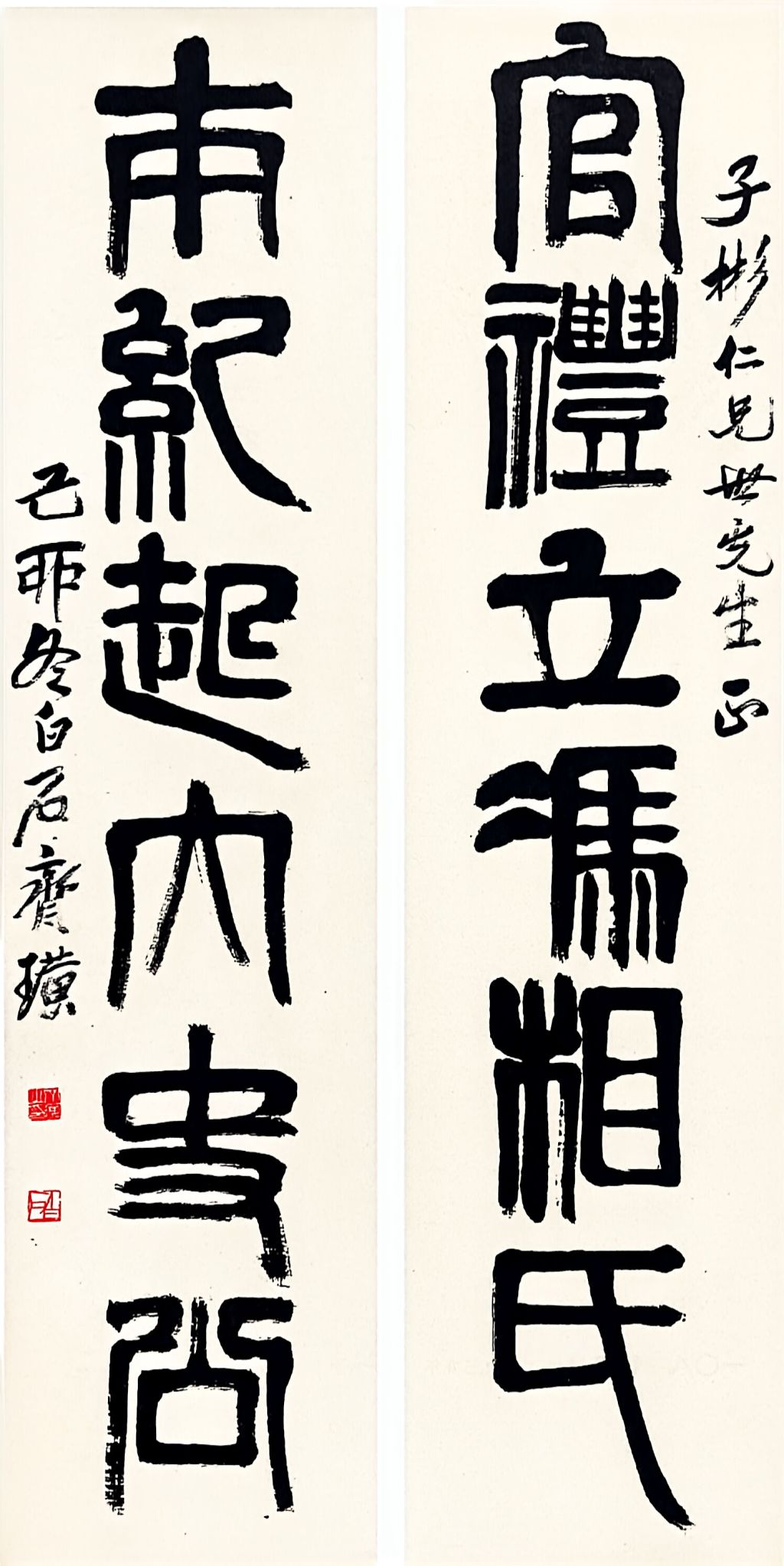
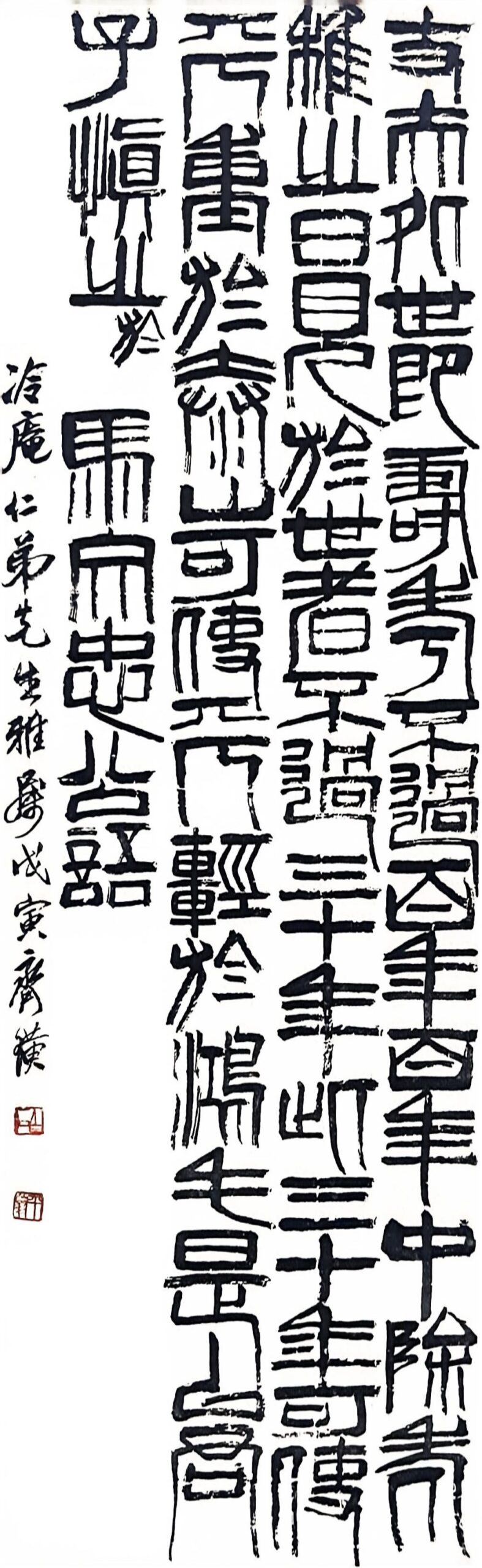
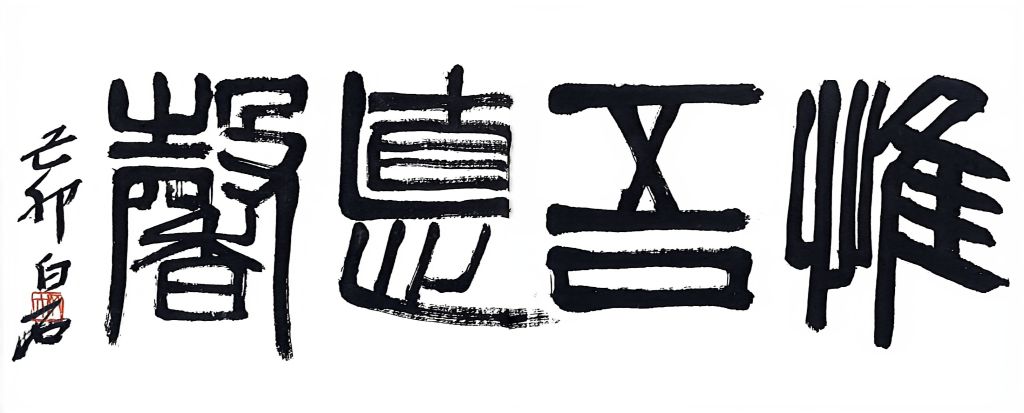
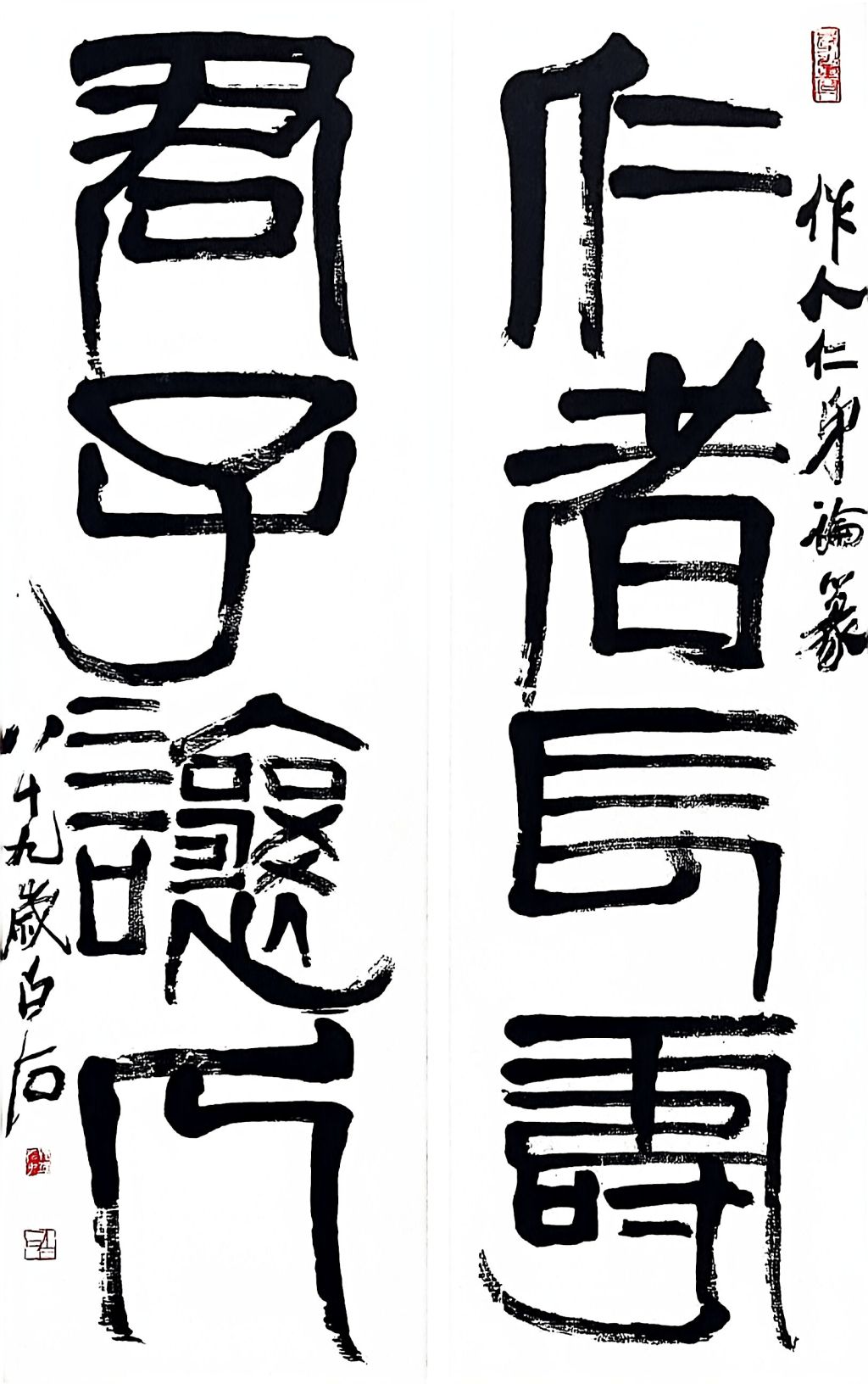

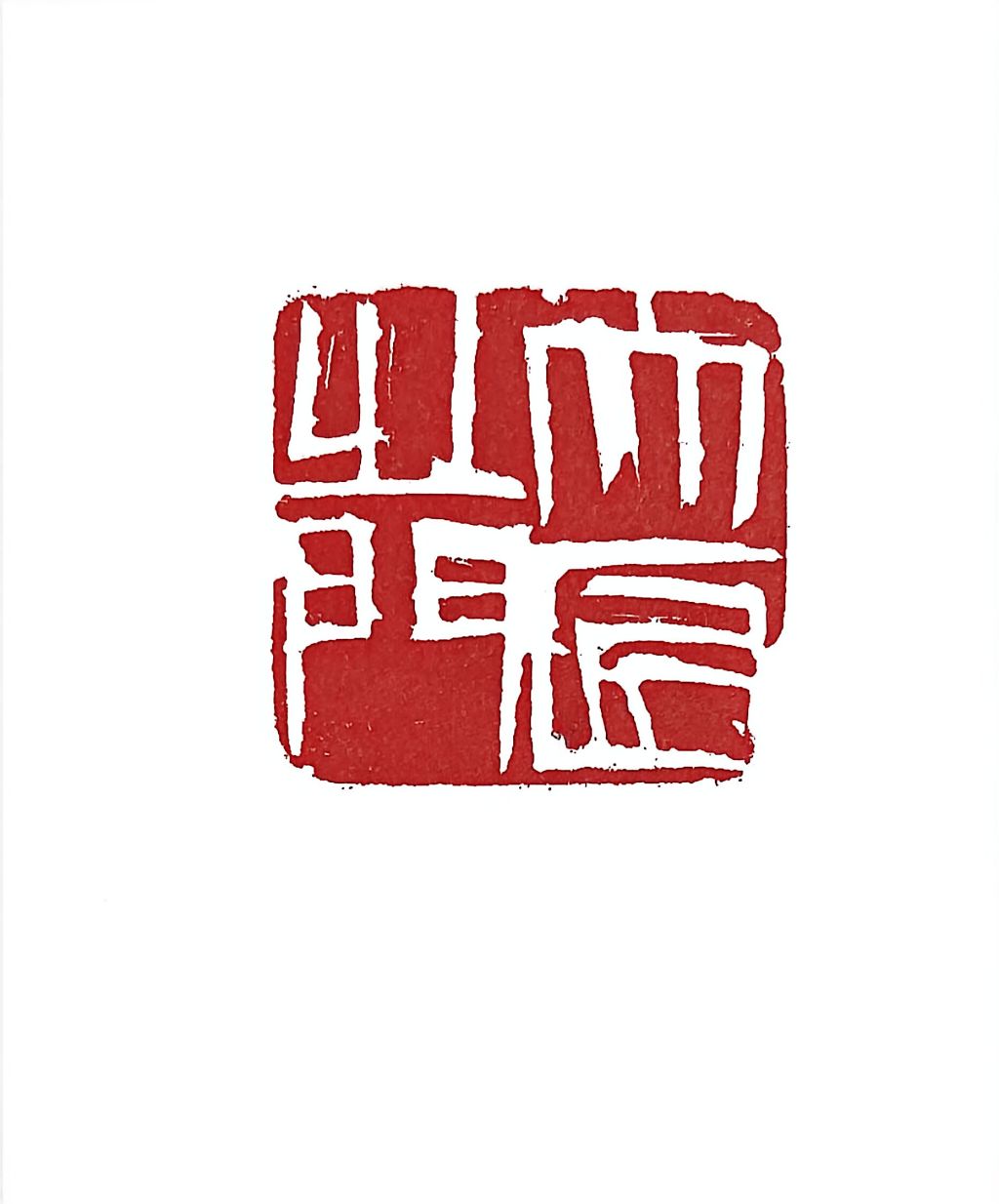




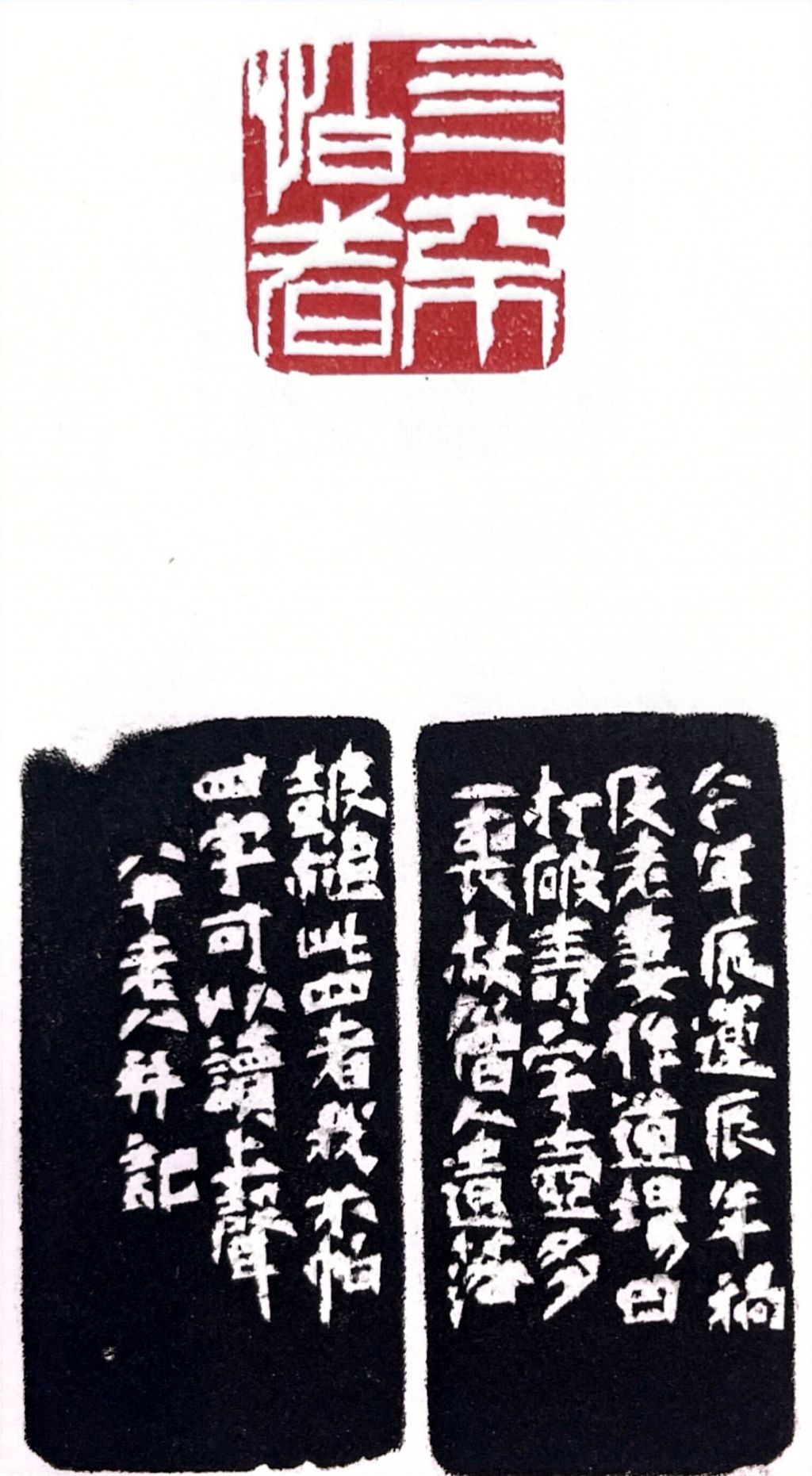
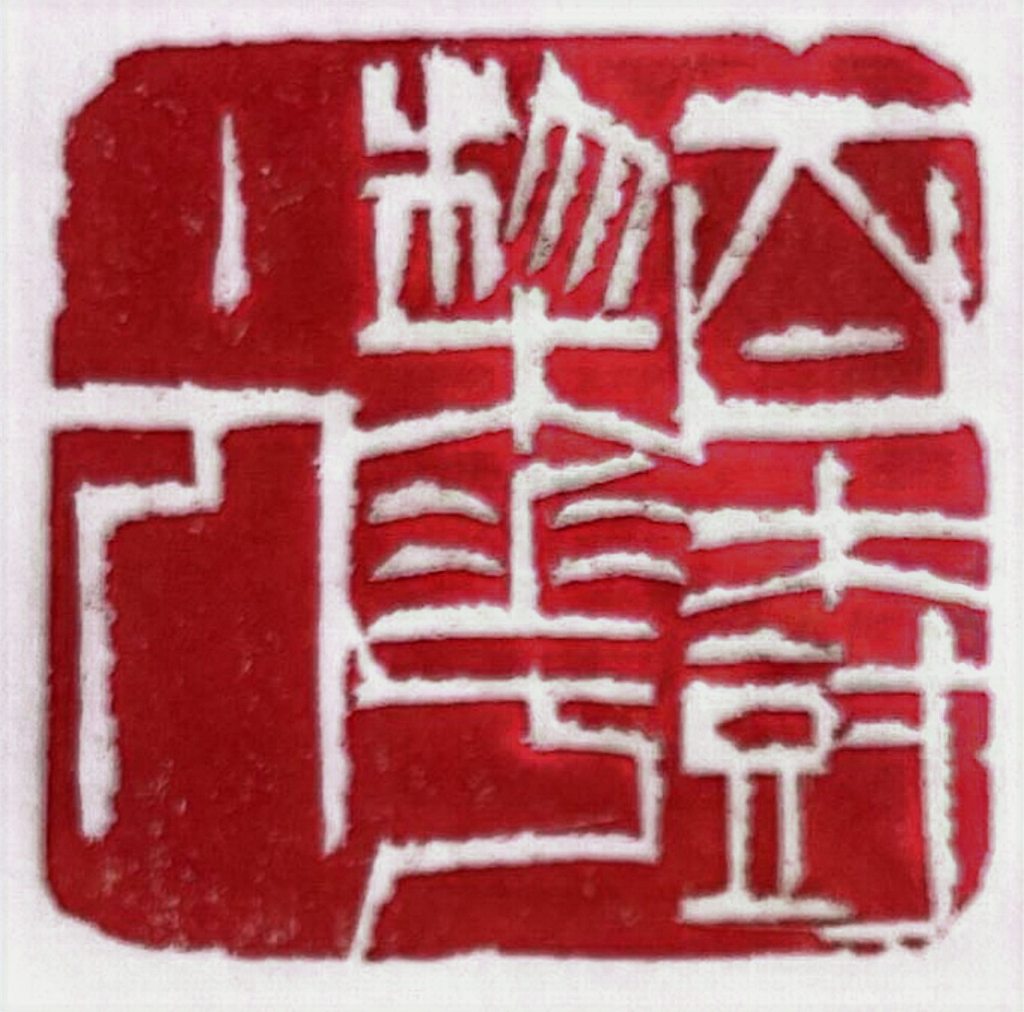
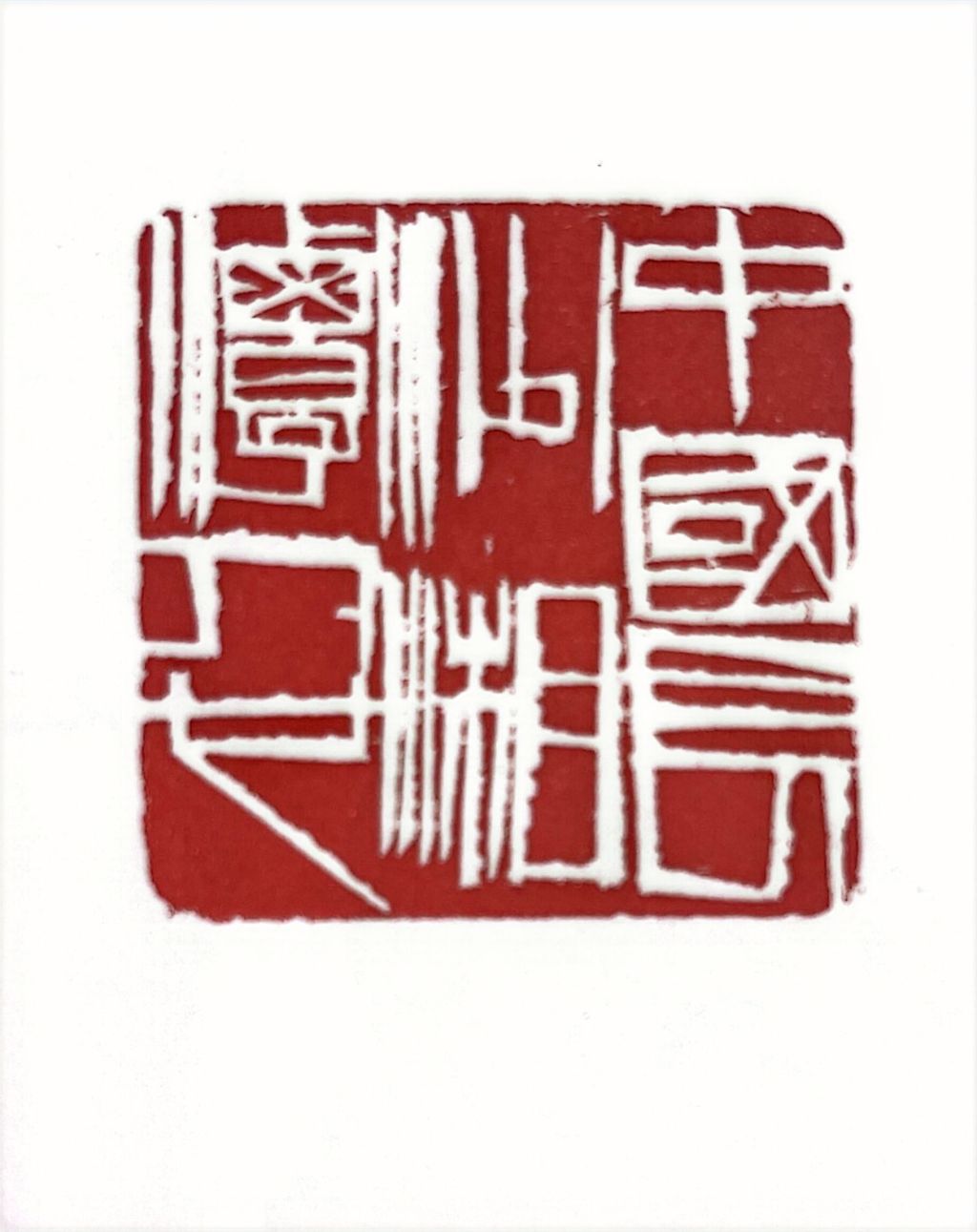

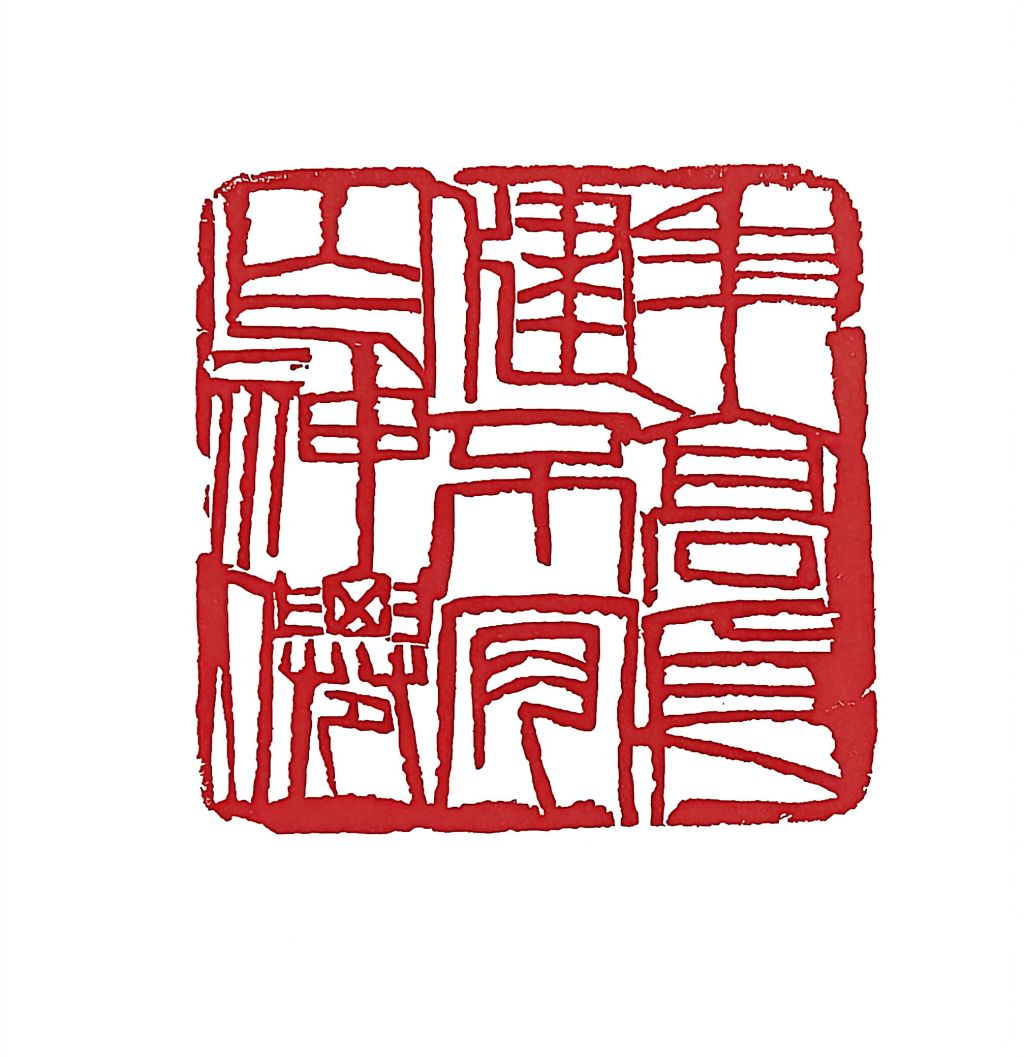
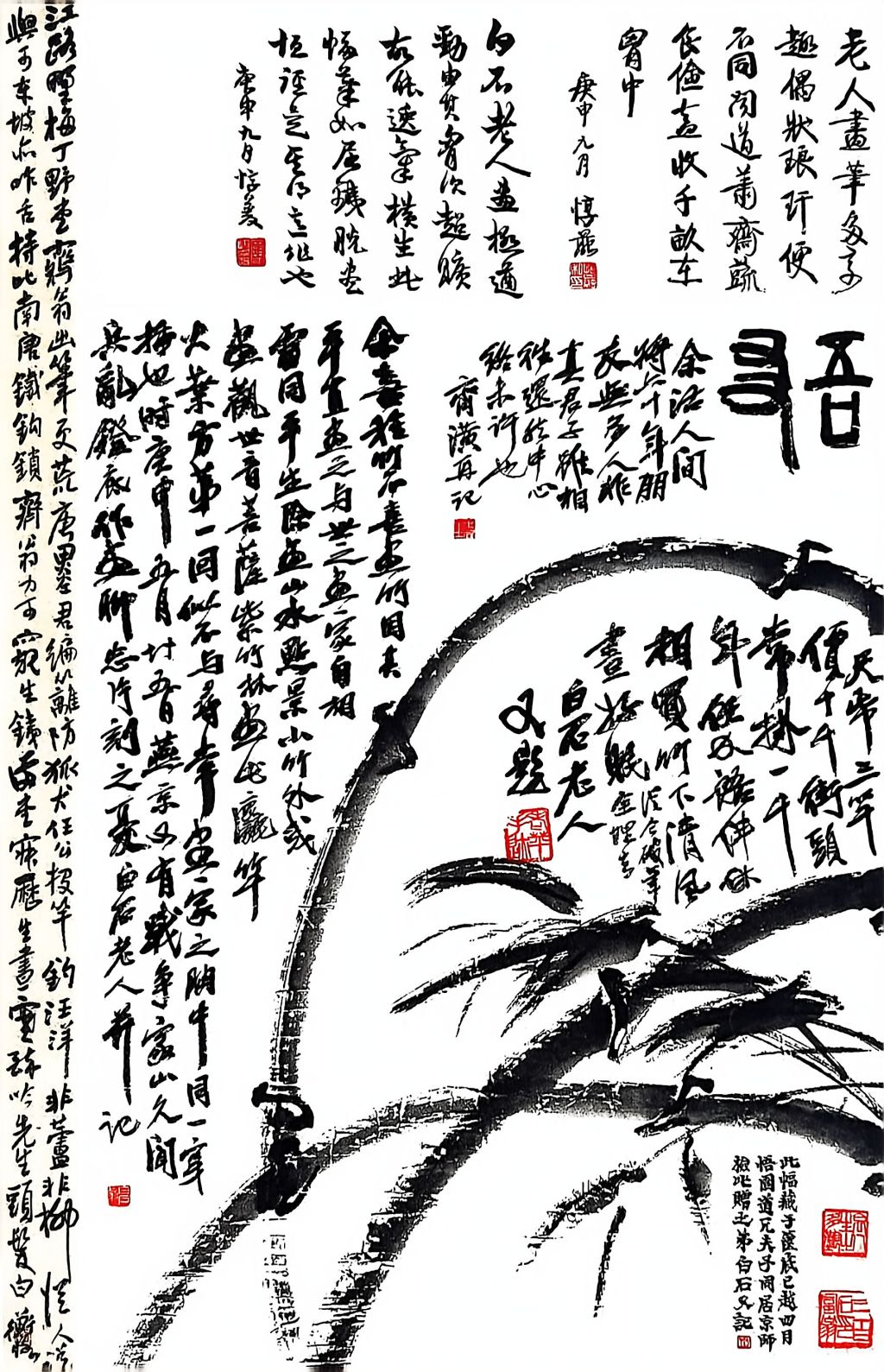
Yin argues that Qi’s relationship with calligraphy developed more gradually. He divides it into four periods: relative separation between script and seals from 1896 to 1922; experimentation and adjustment from 1923 to 1931; a closer integration from 1932 to 1949; and greater freedom in his late work from 1950 to 1957. These are Yin’s interpretive categories, supported in the analysis by dated calligraphy, seal impressions, drafts and Qi’s own writings.

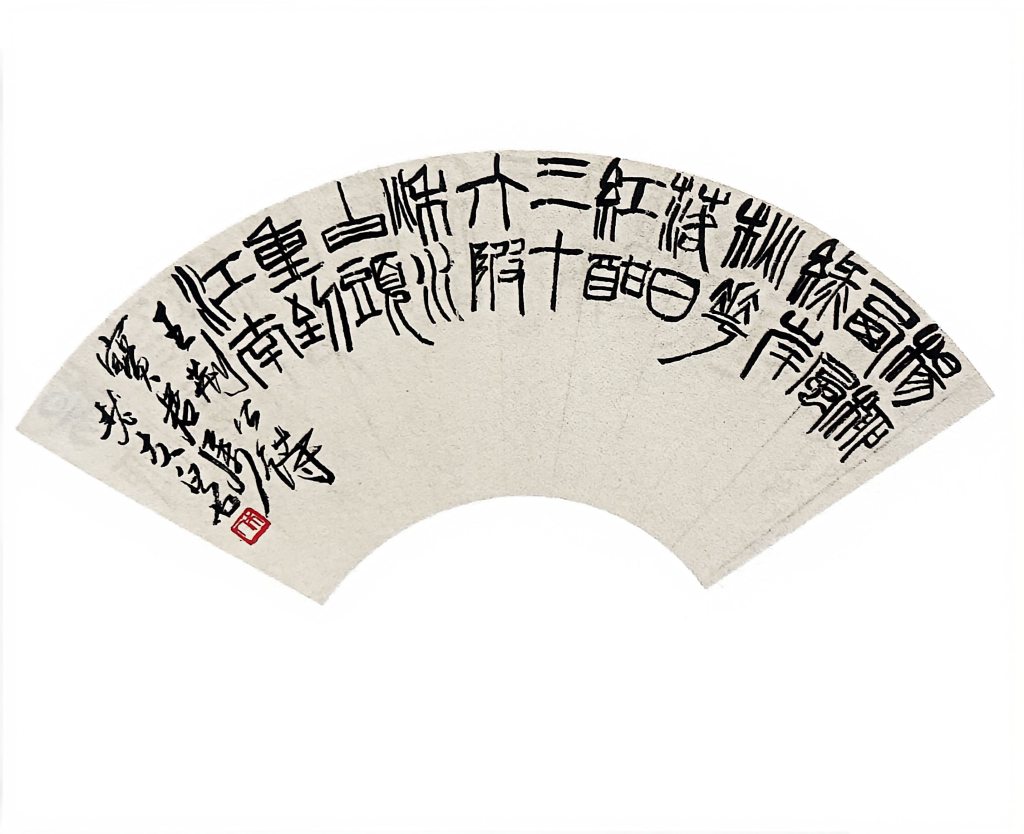
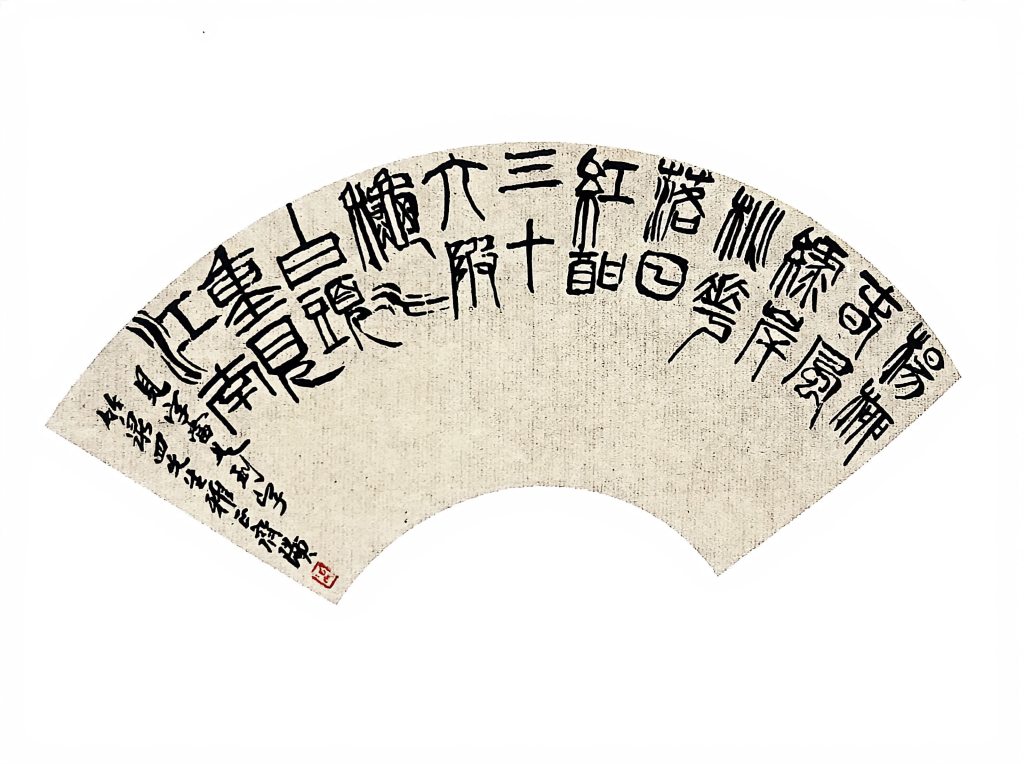
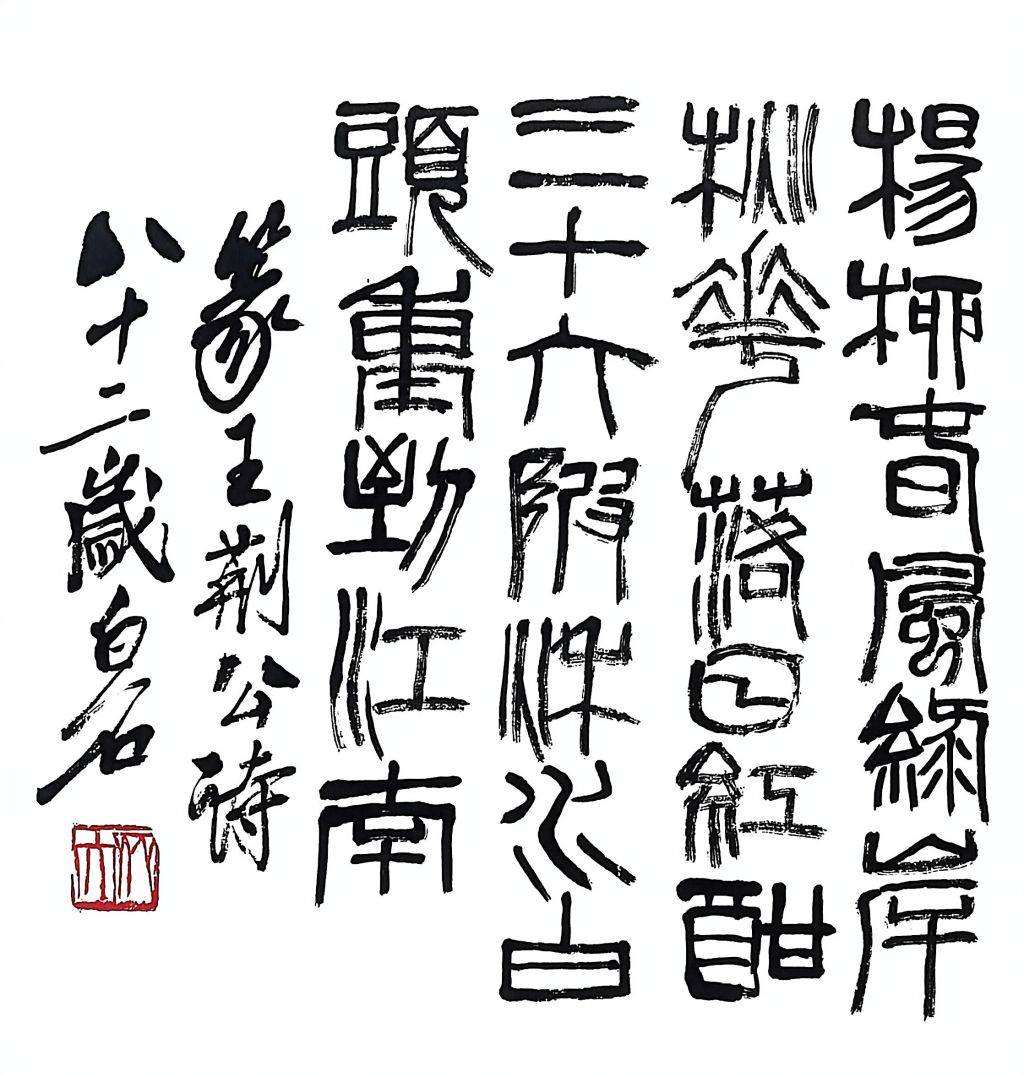
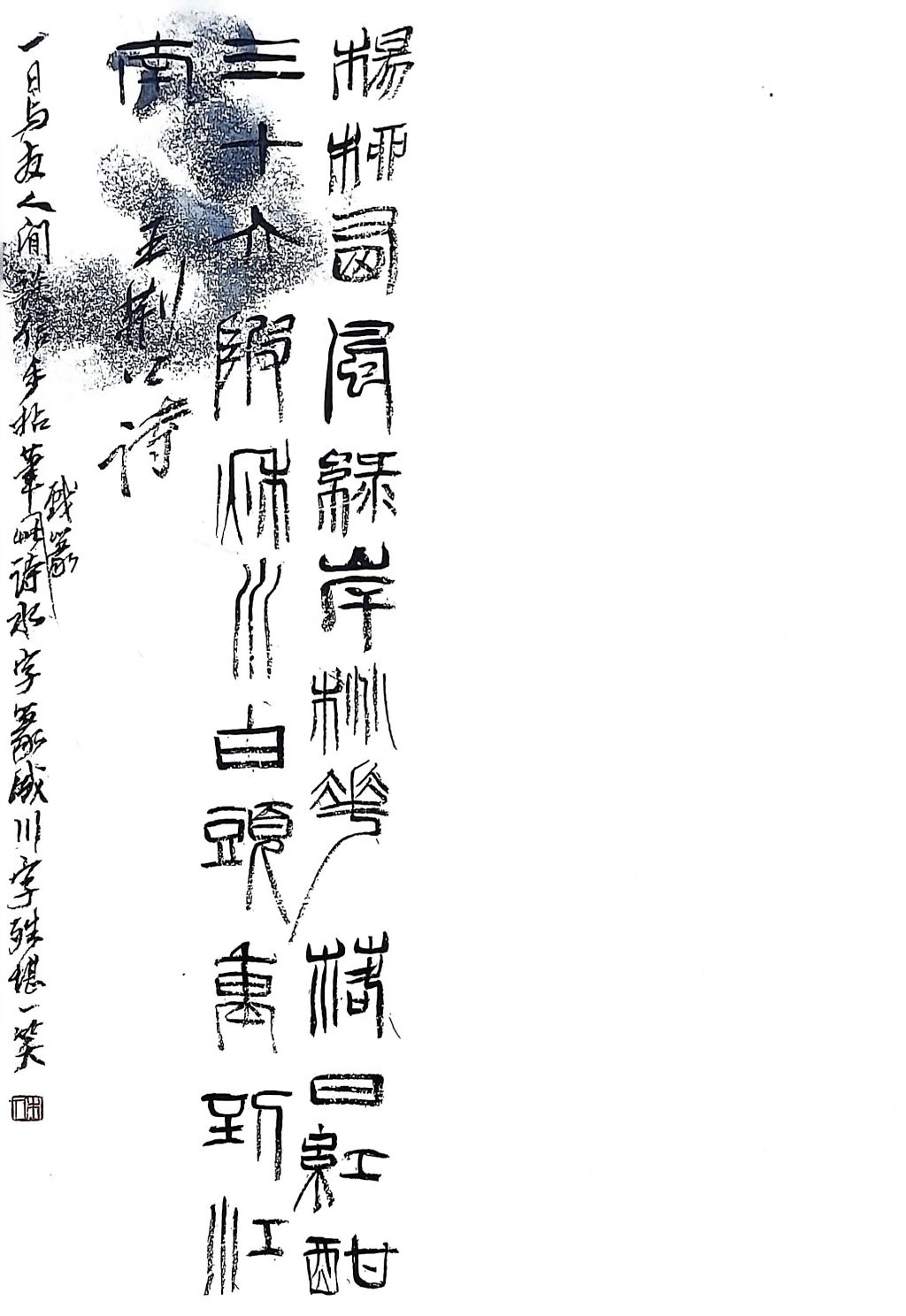

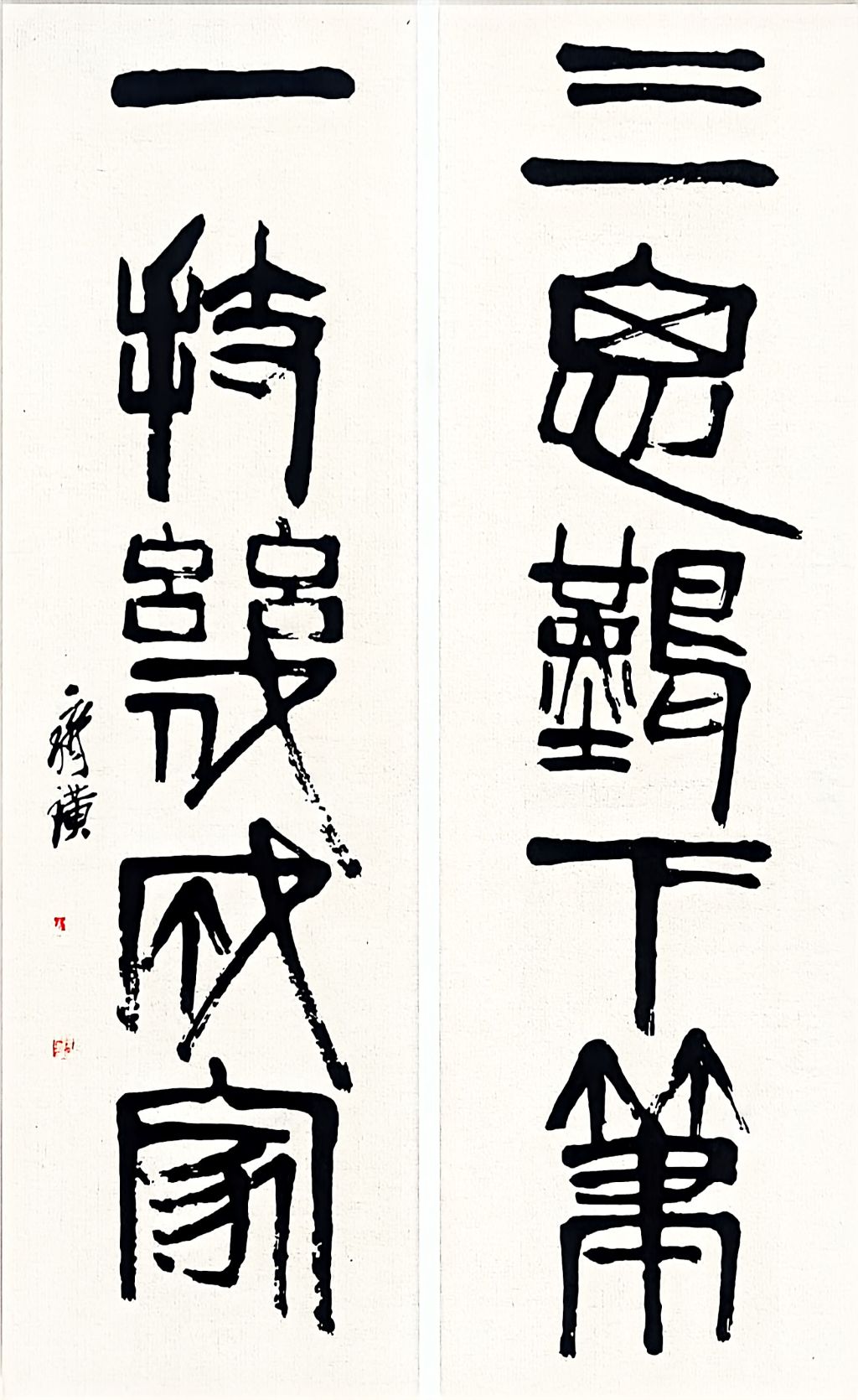
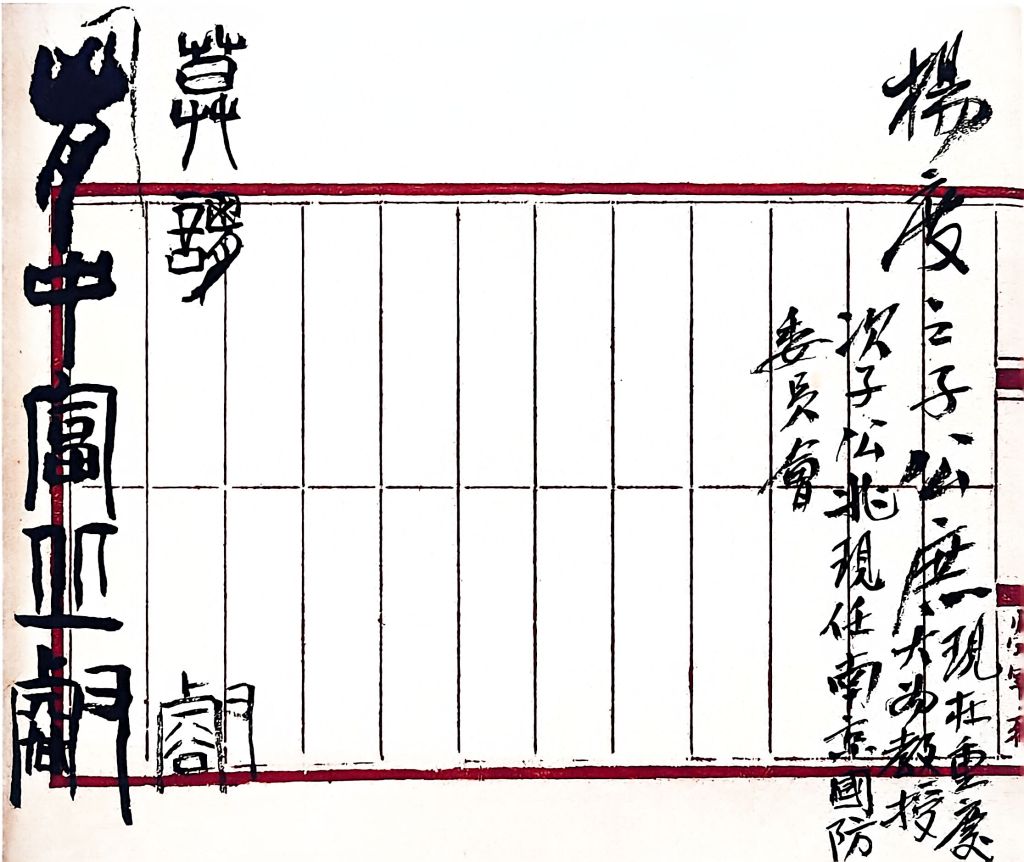

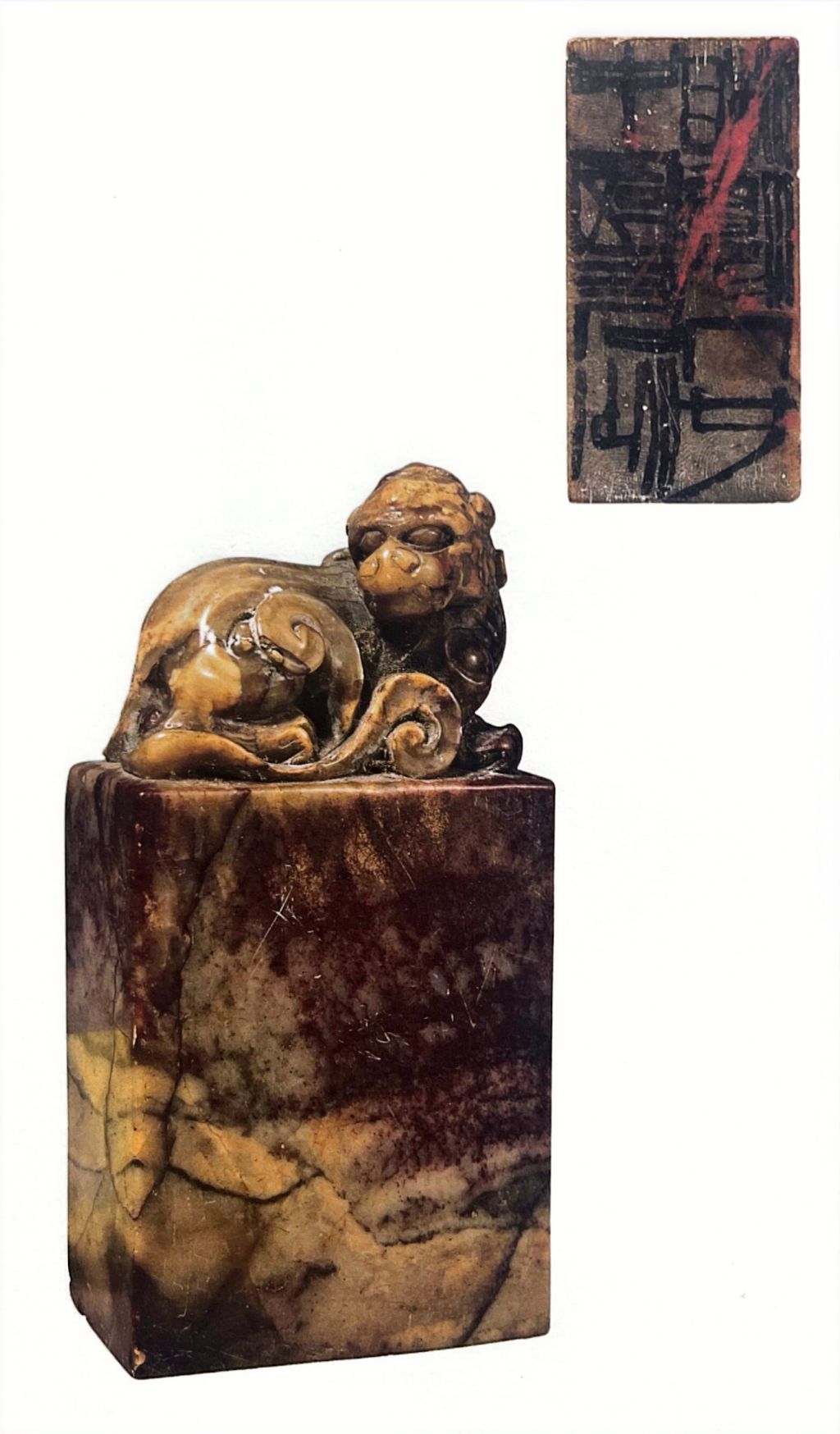
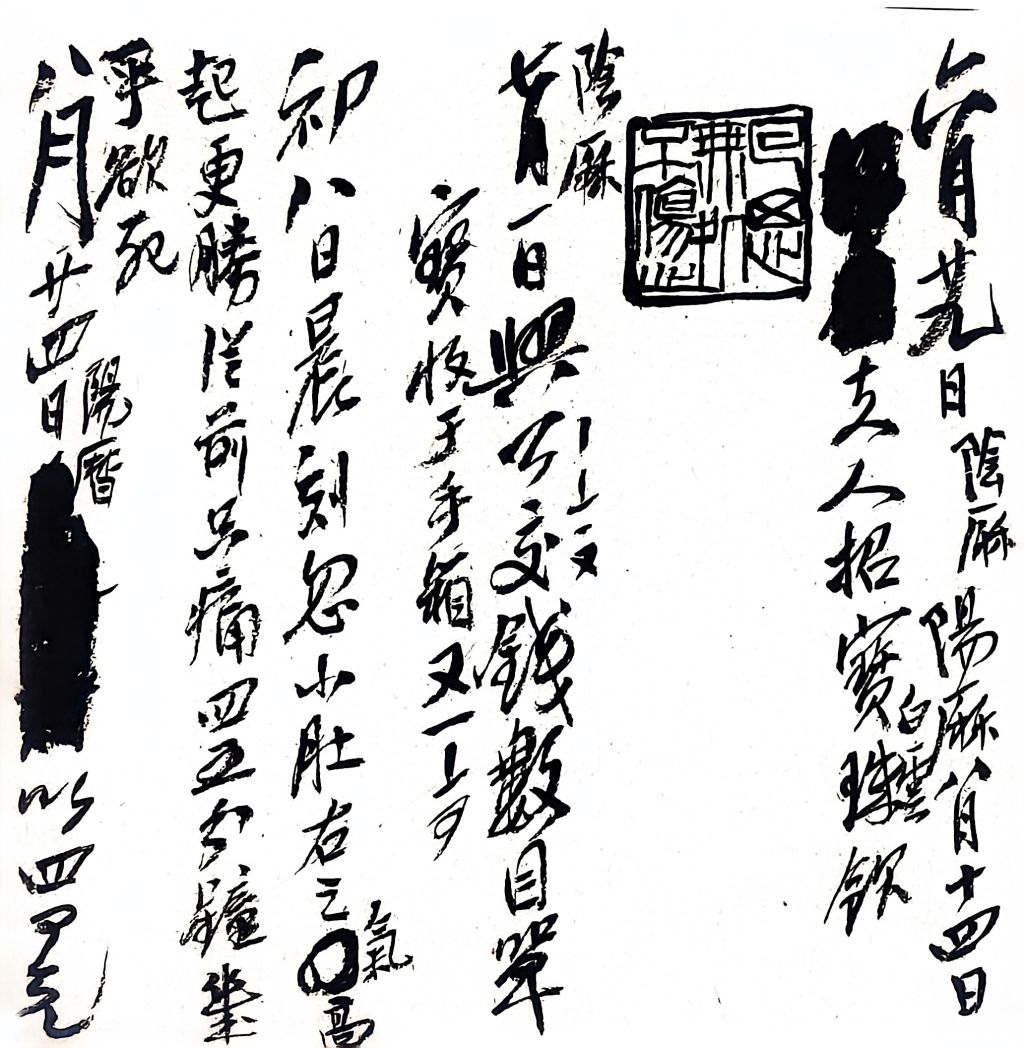
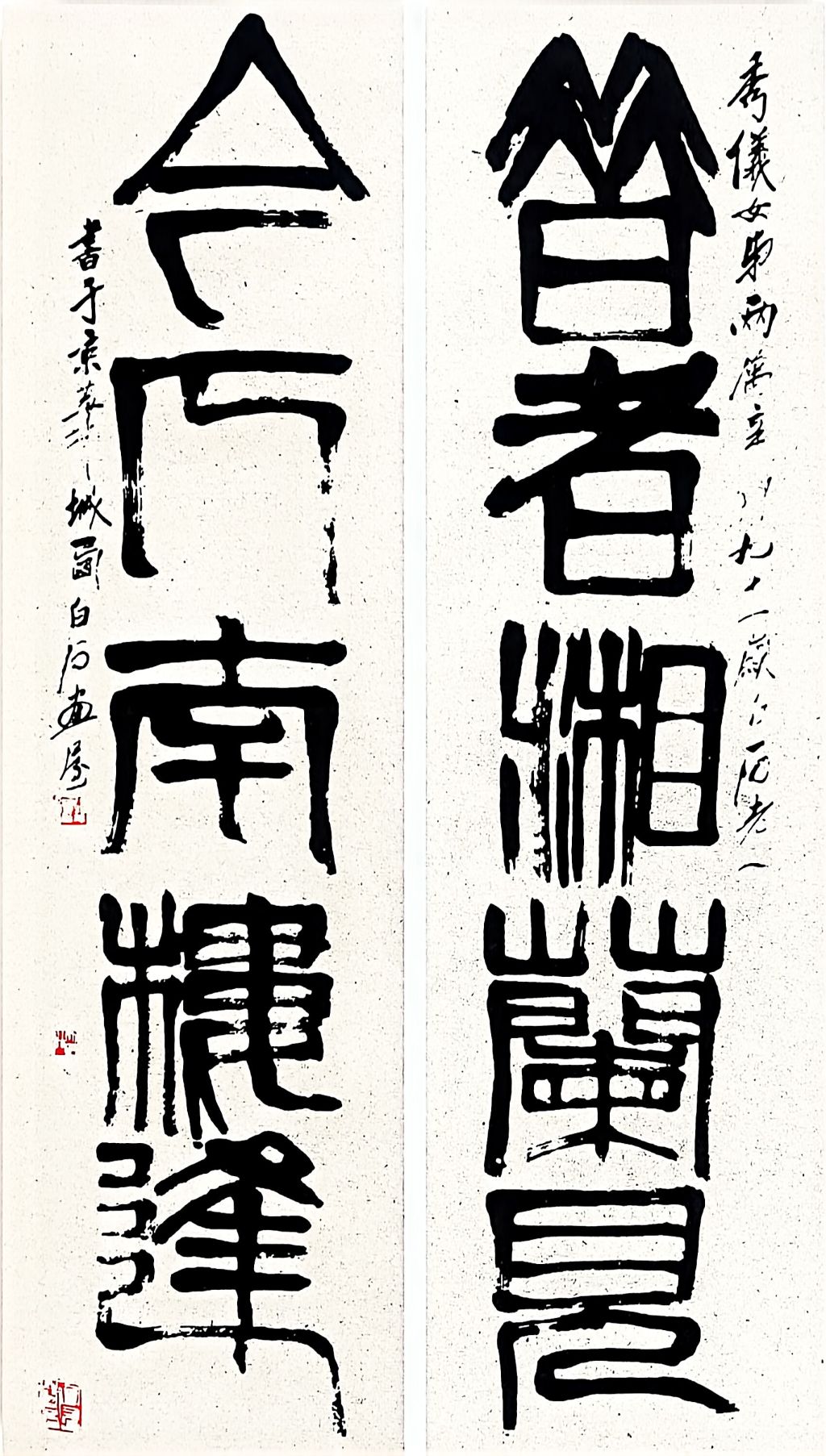
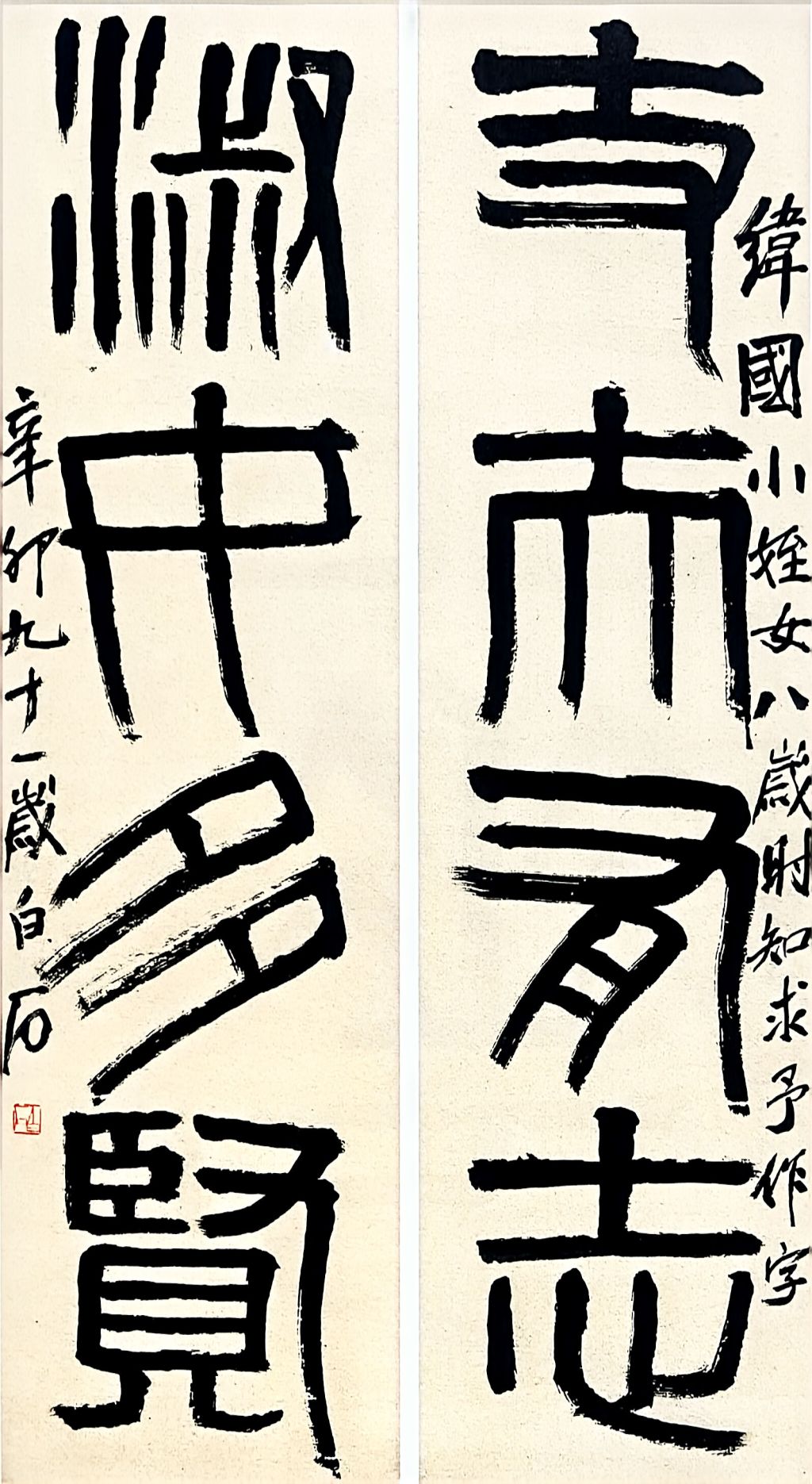
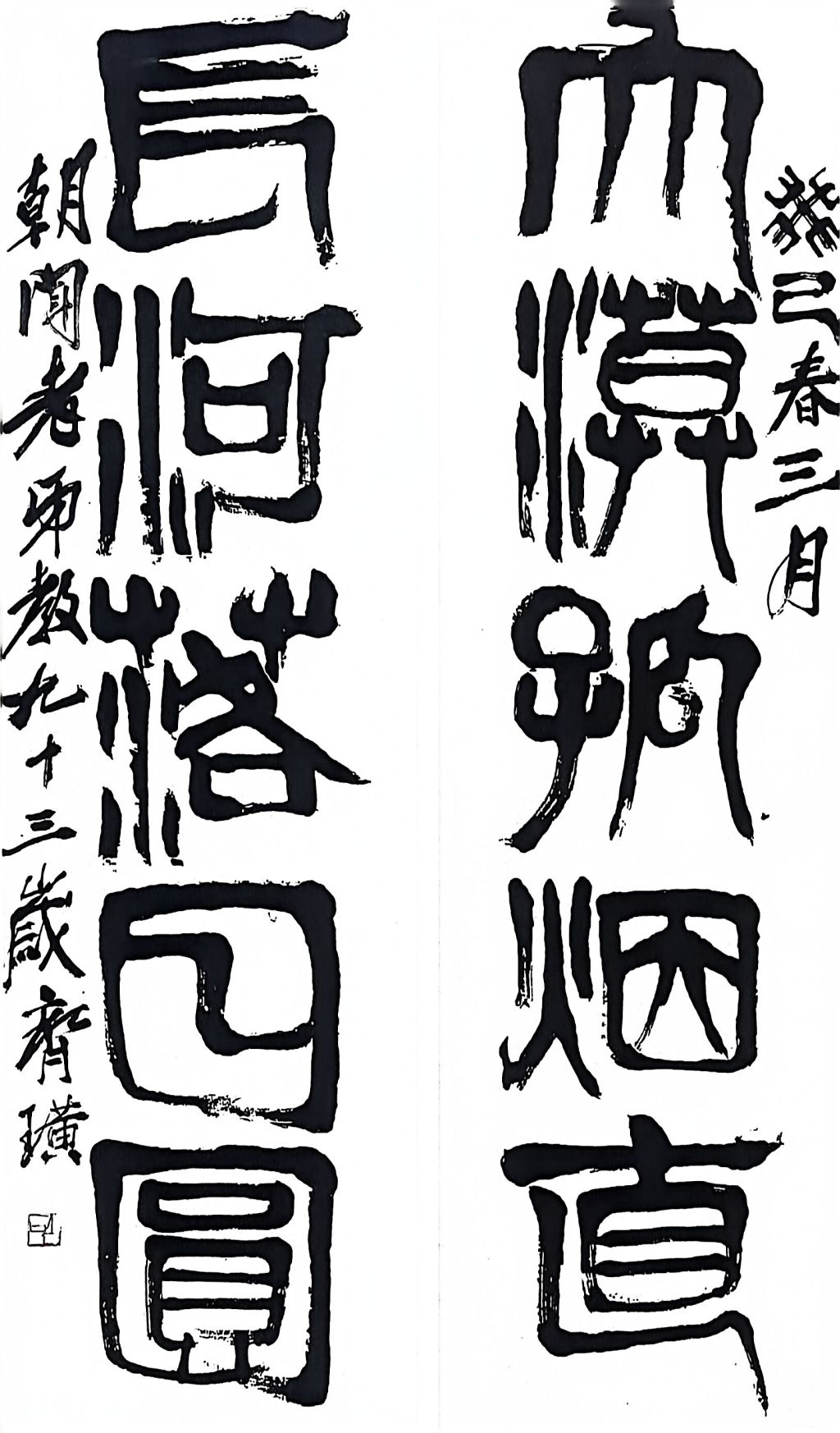
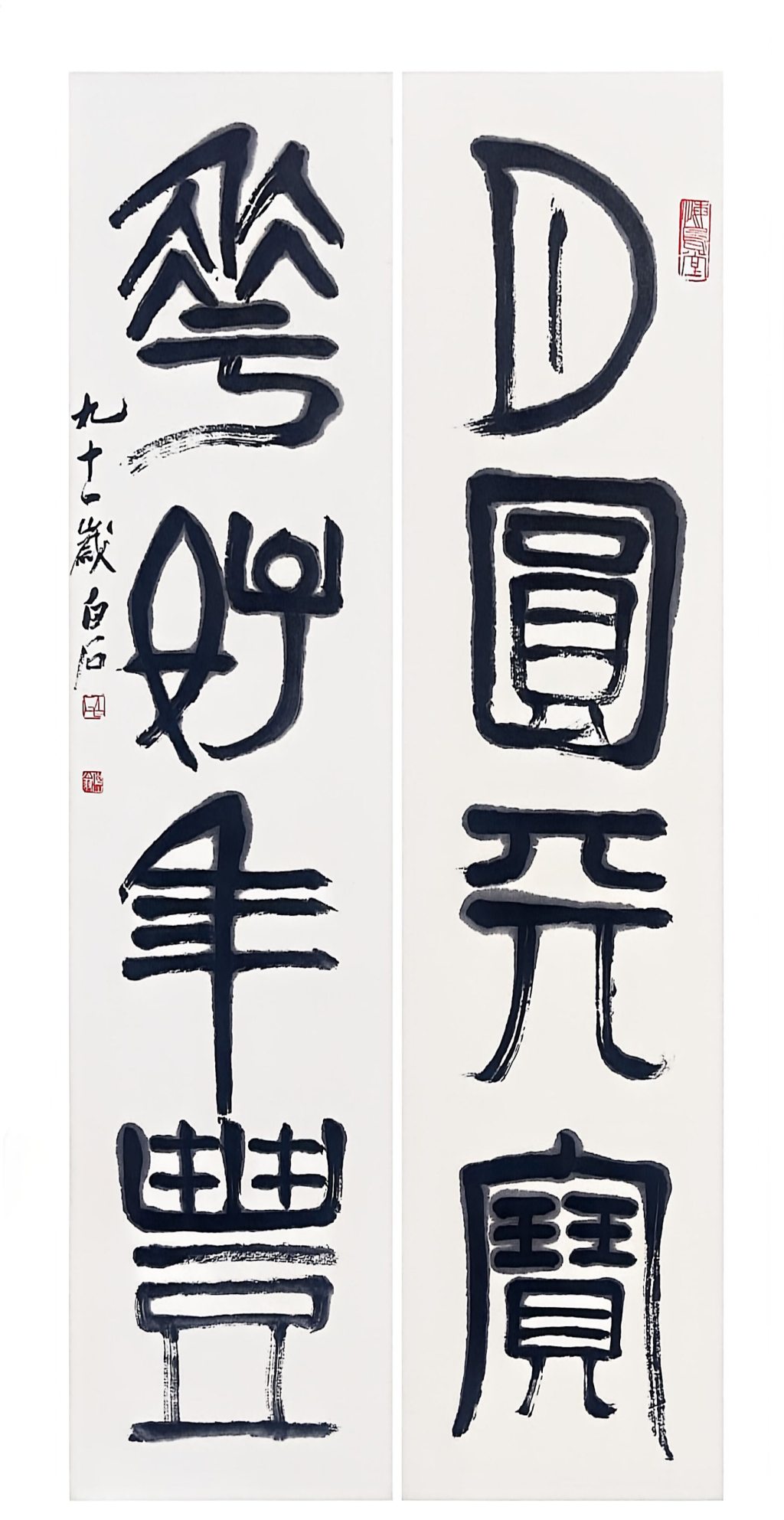
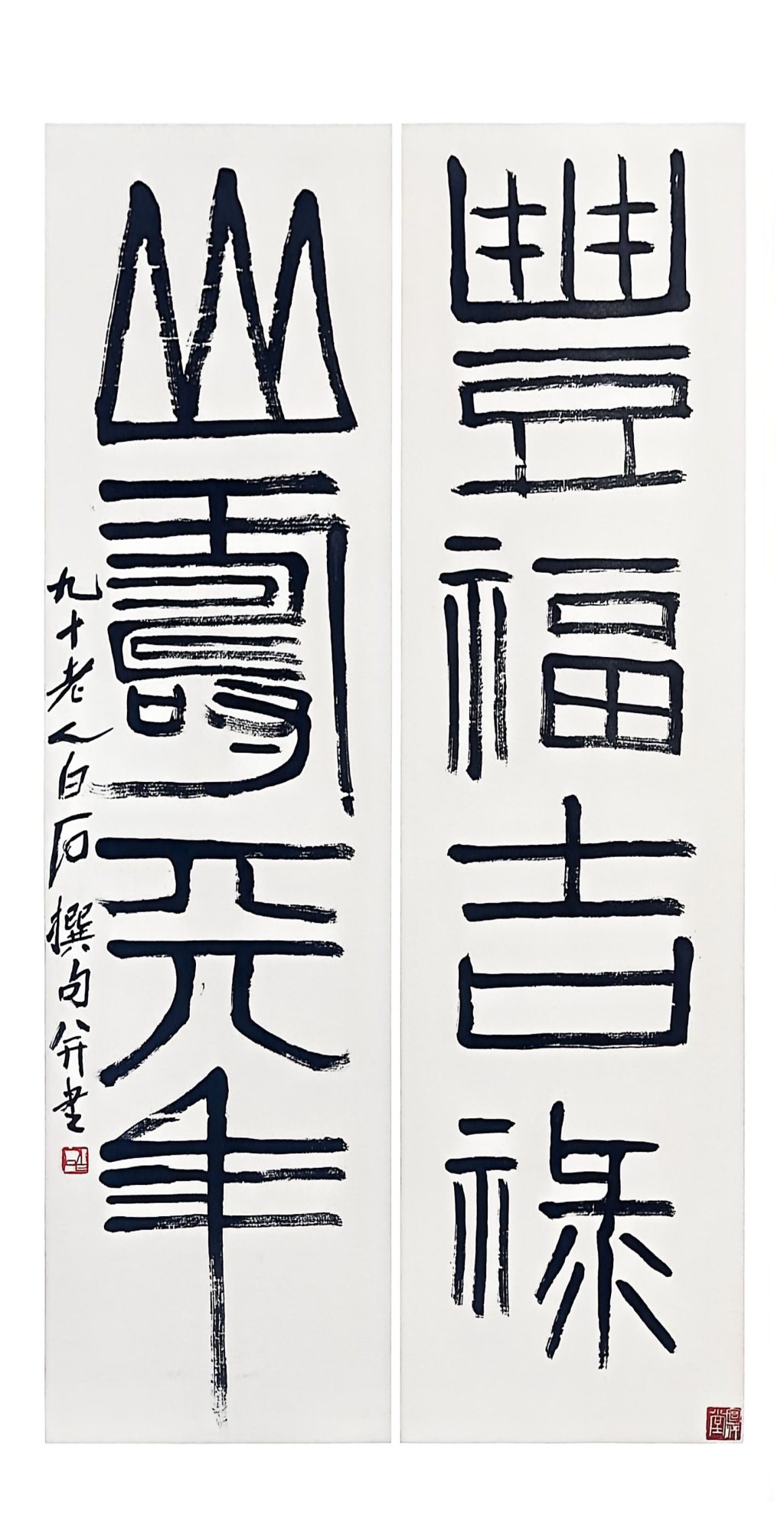
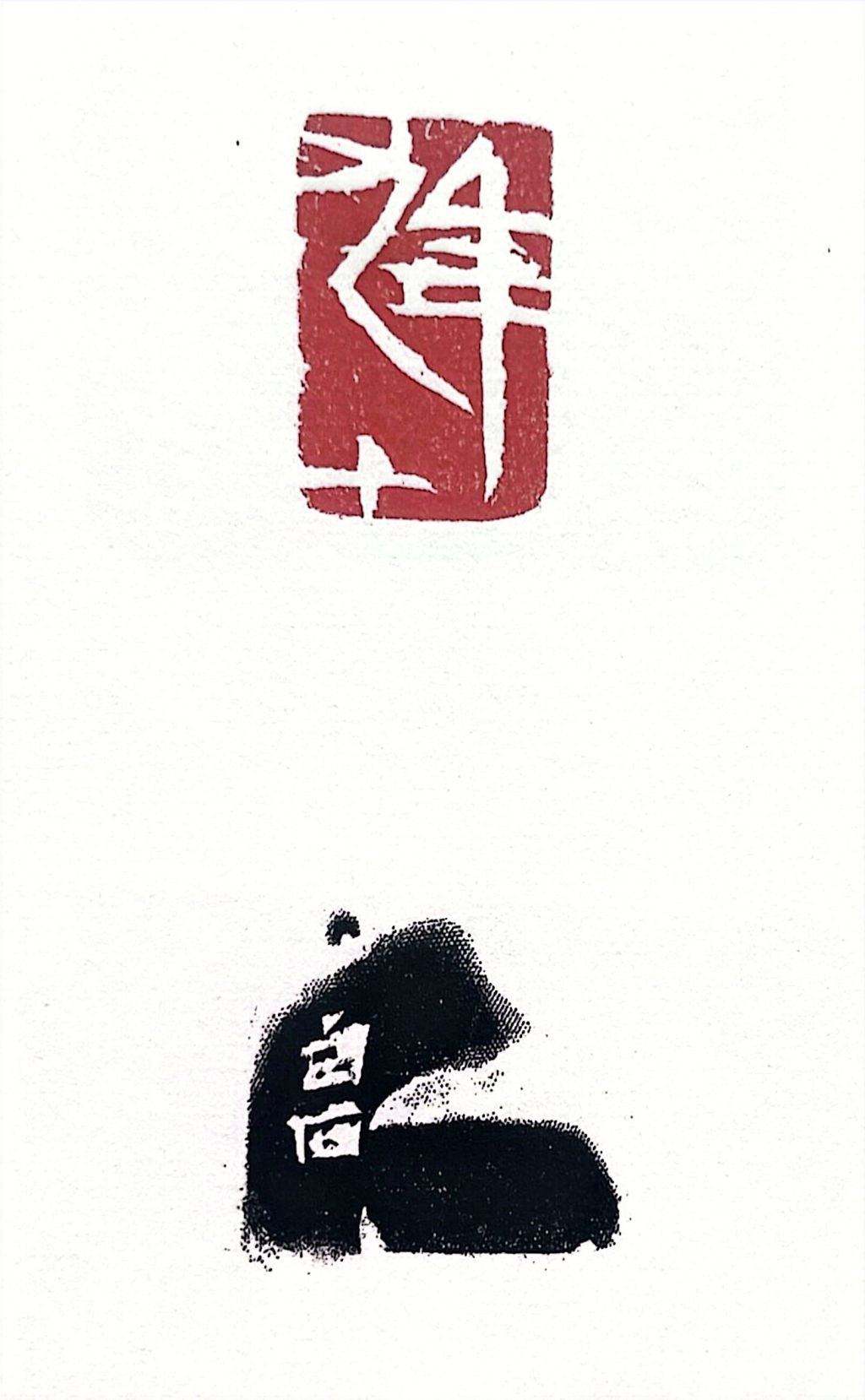
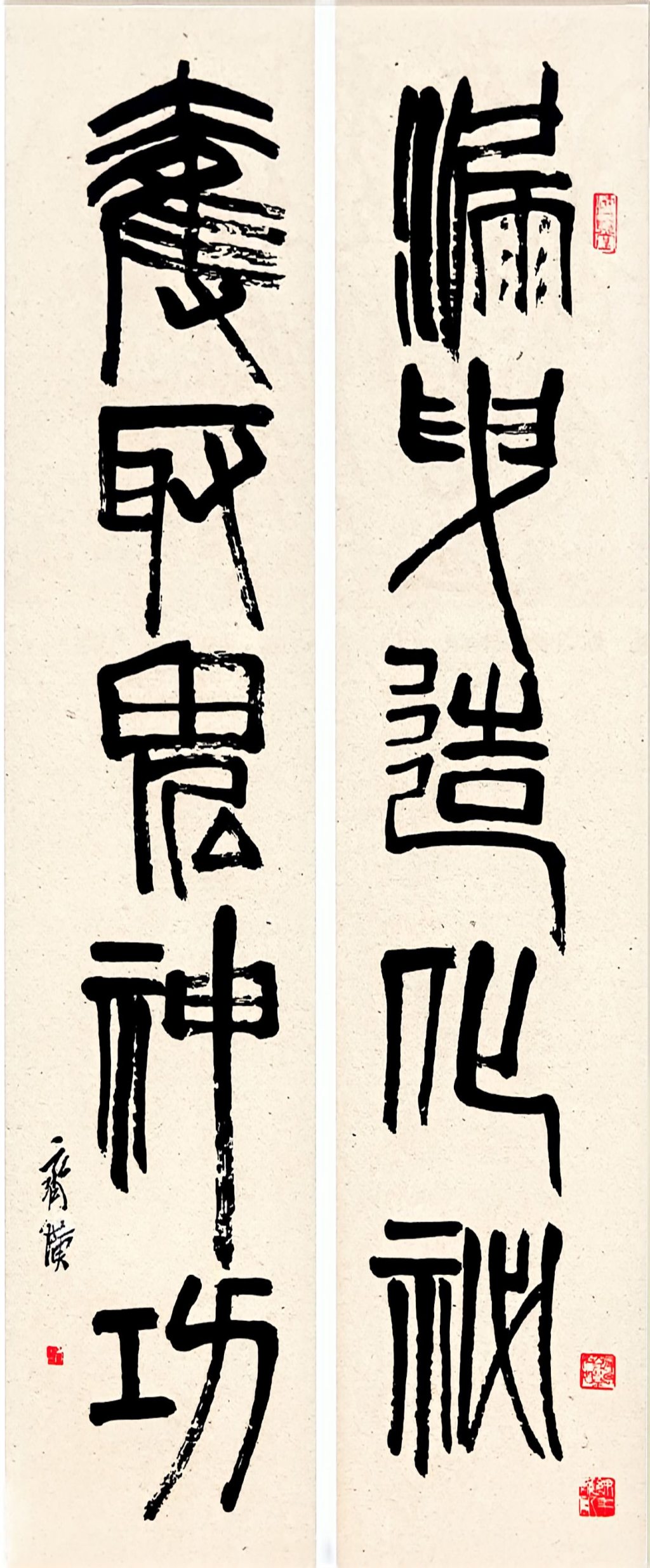
The relationship ultimately worked in both directions, Yin concludes. Qi’s brushwork informed his carved characters, while his experience cutting seals shaped the force and structure of his calligraphy. For Yin, Qi’s distinctive style came not from choosing between ancient models and invention, but from studying those models deeply enough to develop an approach of his own.