Historical analysis, originally published November 11, 2026.
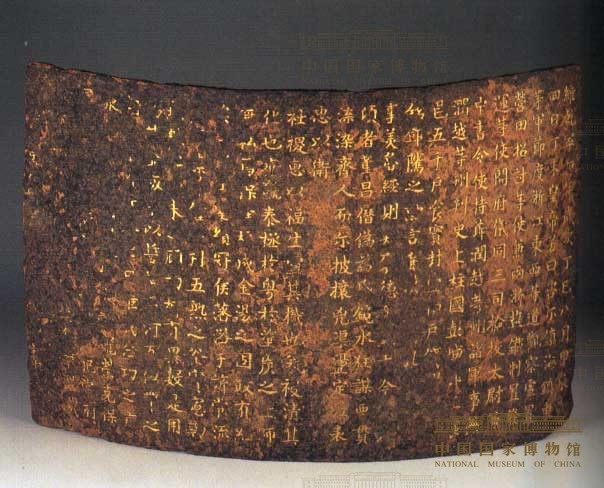
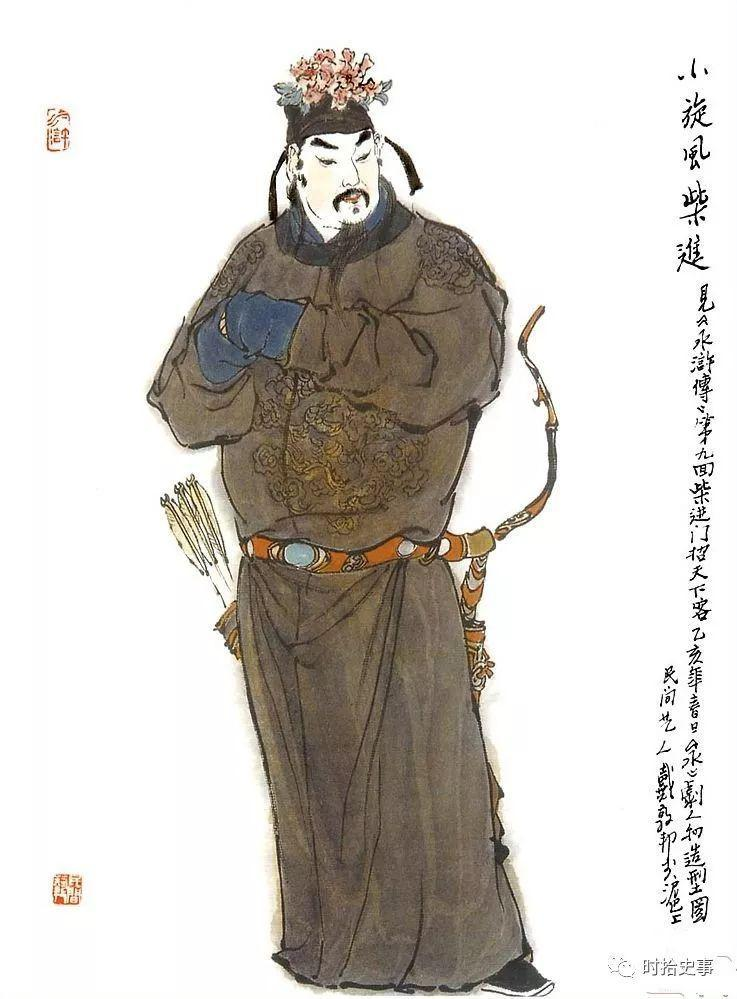
In Water Margin, Chai Jin invokes an imperial iron certificate that he says protects his family because its ancestors yielded power to the Song. The novel gives him room to shelter fugitives and defy local officials. The historical arrangements for descendants of the Later Zhou ruling house were much more constrained, according to an analysis published by The Paper.
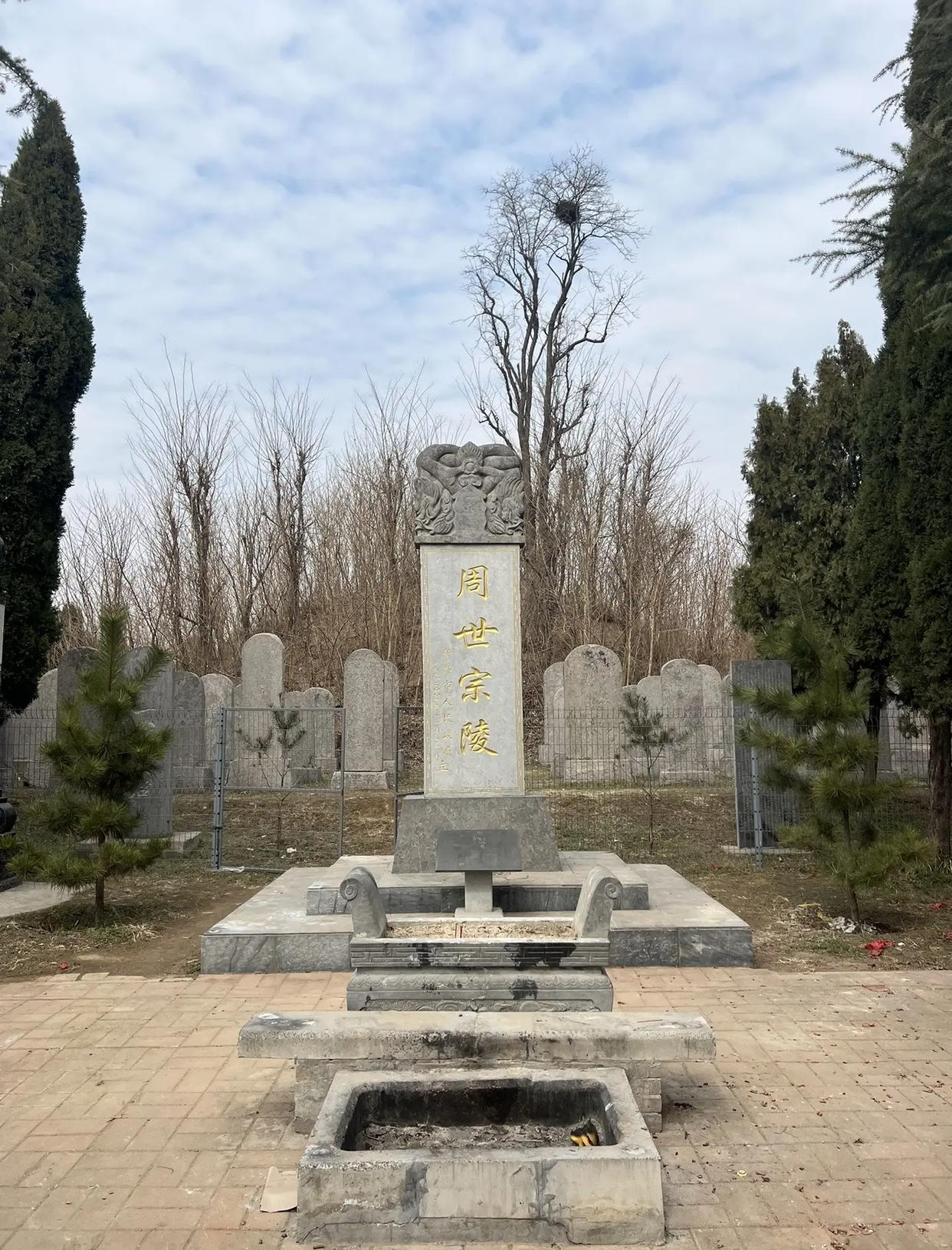
In 960, Zhao Kuangyin founded the Song after the abdication of Chai Zongxun, the Later Zhou’s last emperor. Zhao granted him the title Prince of Zheng. After Chai Zongxun died in 973, that title did not continue. In 1059, the Song court instead named Chai Yong Duke of Chongyi, provided land for sacrifices to the Later Zhou, and set rules for selecting a successor from the Chai family. The duke’s succession and official duties were subject to court administration—not the broad immunity Chai Jin claims in the novel.
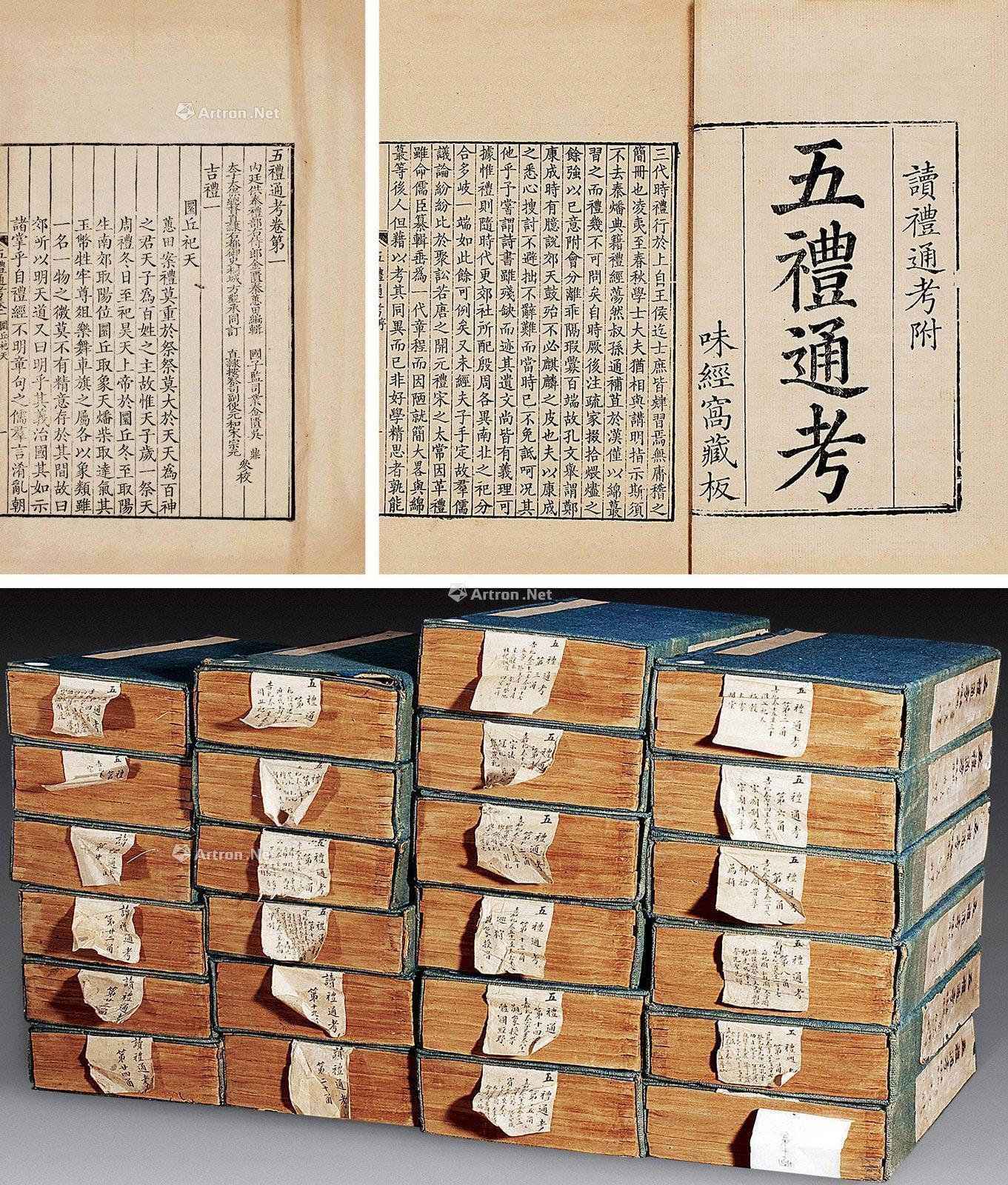
Even the choice of family was disputed. In 1071, Sima Guang argued that the descendants of Guo Wei, founder of the Later Zhou, had a stronger claim to conduct its ancestral rites. He also accused Chai Yong of failing to perform the rites properly. Wang Anshi argued for retaining the Chai line, stressing the Song’s succession from the line of Chai Rong, Guo Wei’s adopted son. The court retained the Chai family’s title, but Chai Yong retired and his son succeeded him.

A further adjustment in 1118 created another hereditary role for a Chai descendant associated with the last Later Zhou emperor’s line. The article notes that surviving texts differ over whether the decree called this arrangement two or three honored predecessor lines; neither reading establishes that descendants of other preceding dynasties received equivalent titles.
After the Song court moved south, the title continued. In 1156, Chai Guoqi succeeded his father as Duke of Chongyi and was directed to live in Quzhou, attending major court sacrifices when required. That record offers a different picture from the novel’s freely roaming estate owner. The article also notes that an online story about the last duke dying with the final Song emperor cannot be verified from the official histories.