When Qi Baishi arrived in Beijing from Hunan, he had neither the family background nor the local connections of many established seal carvers. Yet a fee schedule drawn up for him in 1920 priced his carved stone seals at two yuan per character—twice the rate listed in a schedule from the previous year. How did an artist still struggling to sell his paintings command such a price for his seals?
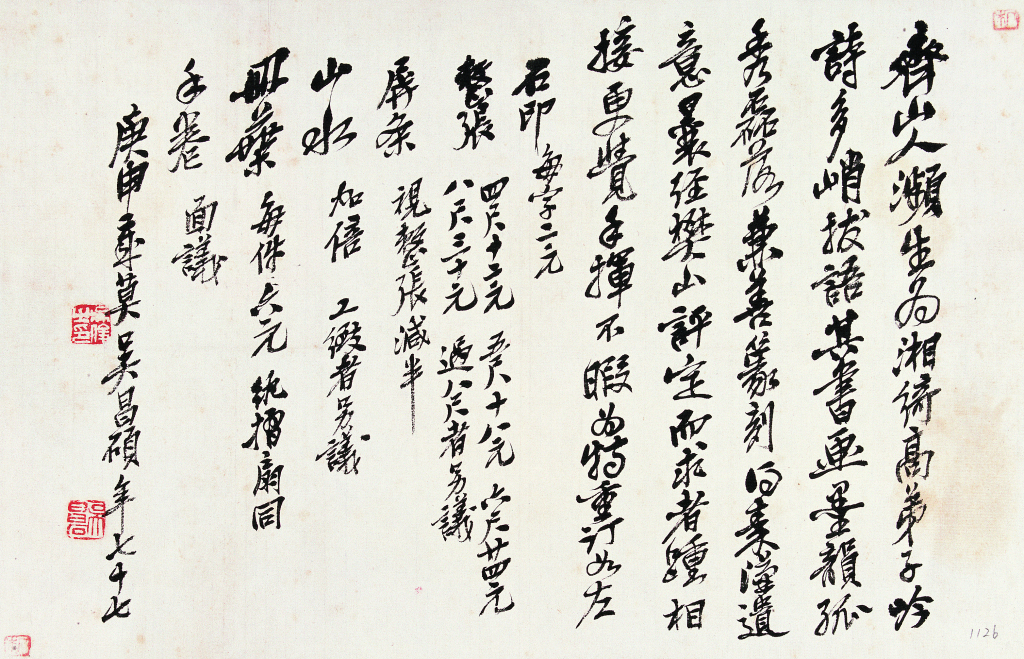
At a Beijing Fine Art Academy symposium discussed in a report published on November 21, 2026, museum exhibition editor Feng Wei approached that question through Qi’s seals. Feng argued that Qi’s command of established styles gave him credibility, while his later, more forceful style made his work distinctive. The listed fees, Feng cautioned, were not necessarily the prices customers actually paid.

Learning the tradition
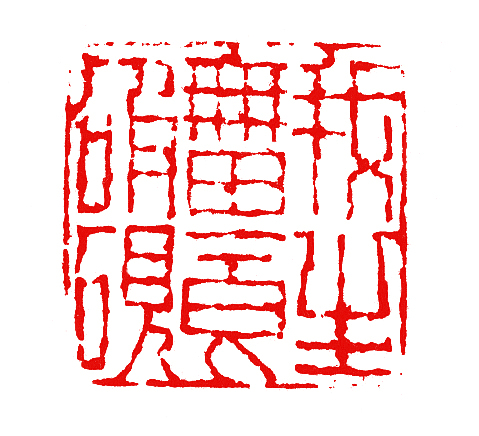
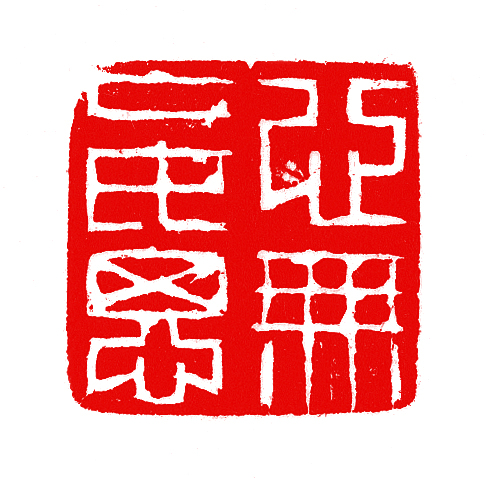
Qi had studied the forms that carried authority in Chinese seal carving. Early works in the Beijing Fine Art Academy collection show him drawing on Han seals and on the styles of Qing-dynasty carvers including Ding Jing, Huang Yi and Zhao Zhiqian. A seal he made in 1898 for a friend, reading “I have no fields; I live by my worn inkstone,” closely follows Ding’s approach, according to Feng’s analysis.
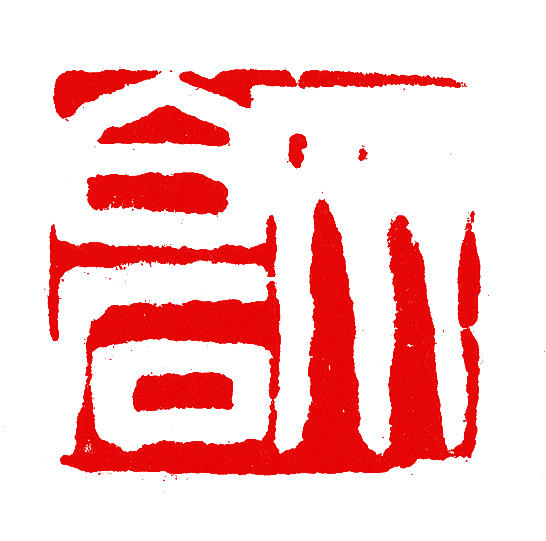
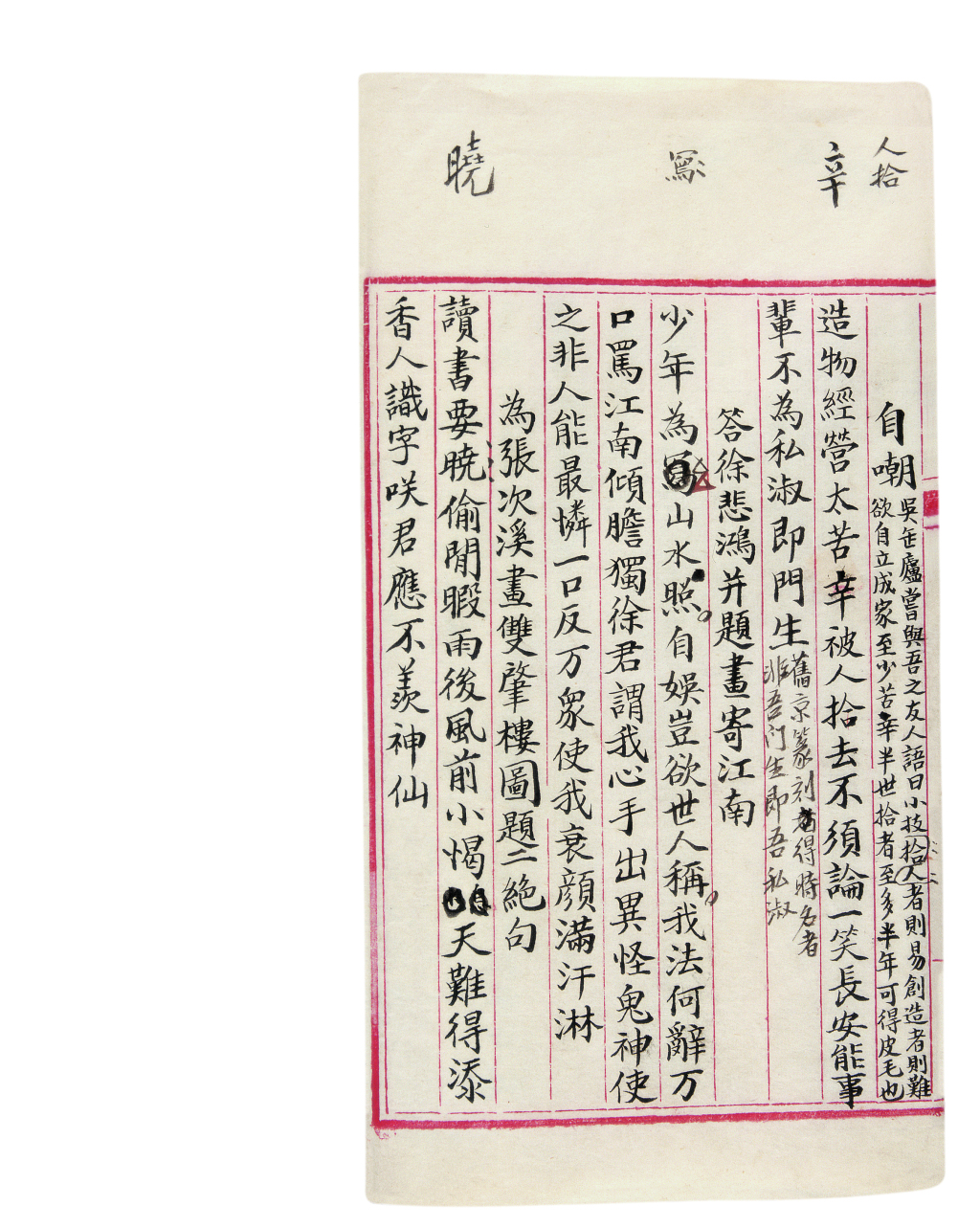
Qi had already found customers for his carving before settling in Beijing. Recalling a stay in Guangzhou in 1908, he said his paintings sold poorly there, but people praised his knife work and frequently asked him to carve seals. He began selling paintings and carving seals in Beijing in 1917; in the third lunar month of 1919, he returned from Hunan and settled at Fayuan Temple.


Making a style his own
Feng described a Beijing scene in which scholar-carvers, commercial seal makers and artists from outside local circles occupied different positions. In Feng’s reading, Qi’s training established that he understood the tradition, but following its prevailing tastes alone would not have made his work stand apart.
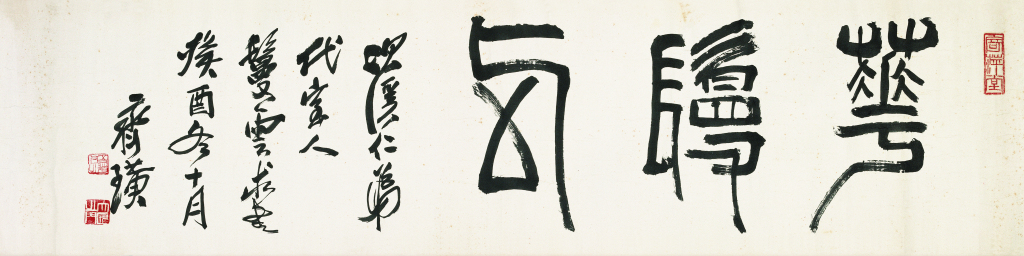

Qi increasingly developed a direct, single-cut technique: rather than repeatedly refining a line, he let one stroke of the knife leave both a clean edge and the rough trace of fractured stone. He also used angular characters and sharper contrasts between crowded and open space. Feng saw these choices not as a rejection of classical seal carving, but as a personal extension of it—one that drew in part on Qi’s earlier experience as a carpenter.


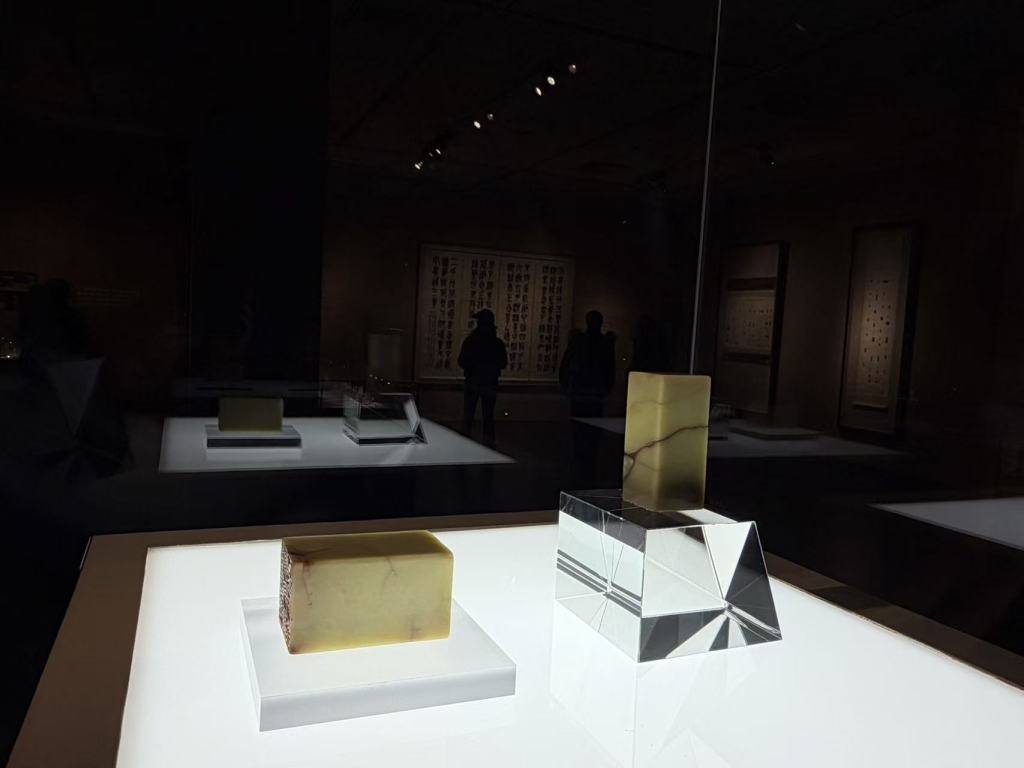
Feng’s answer to the pricing puzzle is therefore an interpretation, not proof of particular sales: Qi’s seals combined recognisable traditional foundations with a style that customers could not readily obtain from another carver. The seals on which the analysis draws are among the works held by the Beijing Fine Art Academy; its museum was exhibiting Never Recut: Qi Baishi’s Artistic Spirit in Metal and Stone at the time of the report.