A century after The Sun Also Rises, Harry Stecopoulos revisits a tension in Ernest Hemingway’s novel: life abroad led Hemingway to consider a wider range of sexual desires, Stecopoulos argues, even as he held on to conventional ideas about heterosexuality. The essay features in Lit Hub’s roundup for November 23–27, 2026, alongside a look at another Hemingway novel, A Farewell to Arms, and the language once judged too profane for American readers.
The case for a less serious DeLillo
In Slate, Laura Miller makes a case for Amazons, the hockey sex comedy Don DeLillo published under a pseudonym 40 years earlier. For Miller, its lack of self-importance is precisely what might make it his best book, with White Noise a possible exception. In Poetry, Leah Hampton takes a more skeptical view of Wendell Berry’s verse, arguing that his depiction of rural beauty leaves out some of the hardships of country life.
The roundup also catches writers away from the finished page. Richard Russo reflects on how anxiety and obsessive-compulsive disorder intersect with his work, while The New Yorker reports on the playful faxes Philip Roth and Janet Malcolm exchanged for years. In Brittle Paper, Caine Prize winner Simbarashe Steyn Kundizeza gives his account of a controversy involving AI. He says the tone and allegations of the article at the center of the dispute convinced him that its purpose was neither discussion nor verification.
How history reaches readers
In The New Republic, Rebecca Brenner Graham looks at American Girl dolls as a way many women first encountered American history. A Lit Hub history feature considers Katharine Bement Davis’s contribution to the study of sexuality: her book centered women’s accounts of their experiences and treated female sexuality as valid in its own right.
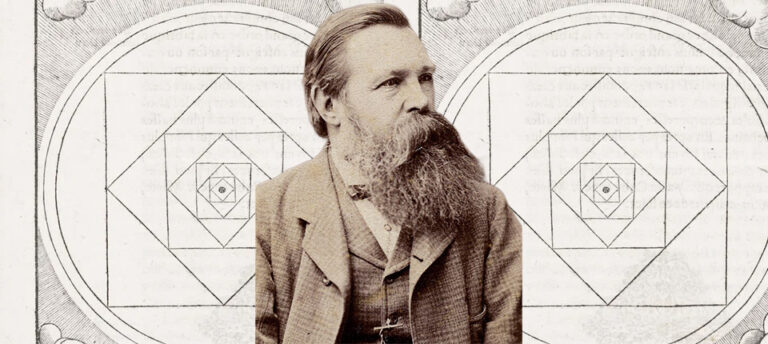
The roundup, published November 28, also marks the anniversary of Friedrich Engels’s birth on that date in 1820 and includes a biographical account of how American socialist Eugene V. Debs became radicalized. Elsewhere in the week’s reading, Kiran Desai and Marlon James discuss writing in a postcolonial context, and three showrunners speak with Vanity Fair about adapting works by Jane Austen, Edith Wharton and John Steinbeck.