The Paris Review has named Australian novelist, journalist and diarist Helen Garner as the recipient of its 2027 Hadada, an award recognizing a writer’s lifelong literary contributions.
Writing in The Guardian, Emma Brockes praised Garner for pairing literary insight with a style that can be “comically down to earth.” Three novels offer different ways to encounter that voice: through a woman who keeps falling for the same man, a mother who leaves a happy household and a friend who would rather not admit what caregiving asks of her.
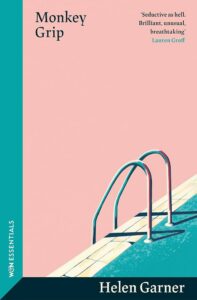
Monkey Grip: Why Nora keeps coming back
Garner’s 1977 debut follows Nora and Javo through Melbourne’s bohemian communal households, in a milieu that echoed Garner’s own circle. Javo uses heroin; his charm is intermittent, but Nora’s desire for him persists. Garner gives both the attraction and the recurring heartbreak their due without treating Nora as someone who simply ought to know better.
When the book appeared, Nora’s ambivalence about parenthood and the freedom she allowed her child drew criticism. Readers interested in the distance between a narrator’s candor and the judgments it can provoke might start here.
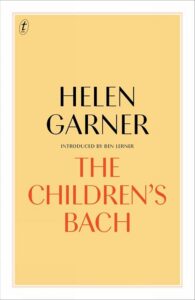
The Children’s Bach: Who else lives with a decision?
Athena Fox is happy with her partner and their two small children when a figure from her past returns. She becomes infatuated with him and leaves her family for a rock star. Where Monkey Grip stays close to Nora’s longing, the third-person narration here gives room to the people affected by Athena’s choice. The interest lies as much in what her departure means to them as in what makes leaving seem worth it to her.
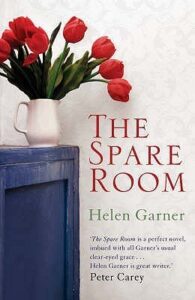
The Spare Room: When a friend becomes a caregiver
Two old friends who have grown apart find themselves under one roof after one receives a terminal diagnosis. The friend who offers her a place to stay must reckon with the gap between wanting to help and wanting her house back. In this short novel, Garner lets the host’s resentment sit alongside her care for her guest. Neither feeling cancels the other, which is what makes the arrangement so uncomfortable to witness.