In 1769, two women in Lebanon, Connecticut, began a spinning match 45 minutes after sunrise. By the time they stopped at nine that evening, they had spun nearly fourteen skeins of fine linen yarn. Several newspapers covered the contest. At a time when Patriots were urging colonists to boycott British goods, the amount of yarn two neighbors could produce in a day was a matter of public interest.
Flax, the plant whose stalks yield linen fiber, grew along the eastern seaboard, with the mid-Atlantic colonies particularly productive. But growing flax was not the same as being self-sufficient. The average colonist spent more than a quarter of their budget on imports. When boycotts of British goods left textiles in short supply, making cloth at home gave women a practical way to sustain the protest.
From household work to public protest
In seventeenth-century North America, women spun thread, while weaving was a skilled trade reserved for men. By the middle of the eighteenth century, daughters were weaving as well. In households where fieldwork or earning wages was considered unsuitable for them, weaving allowed daughters to contribute to the family’s wealth. Historian Laurel Thatcher Ulrich interprets that change as a response to an expanding trading economy, rather than a necessity born of poverty or frontier isolation.
Patriot boycotts gave those skills a new political use. A wheelwright in Lexington, Massachusetts, reported a rise in business for spinning wheels before the Revolution. Newspapers covered dozens of spinning bees, where girls worked alongside older women. What participants wore could draw as much notice as what they made. A Massachusetts columnist called women who wore homespun to a 1769 spinning bee on Long Island “true Female Patriots.” As historian Mathilde Frances Lind observes, wearing the cloth made allegiance to the colonial cause visible on the body.
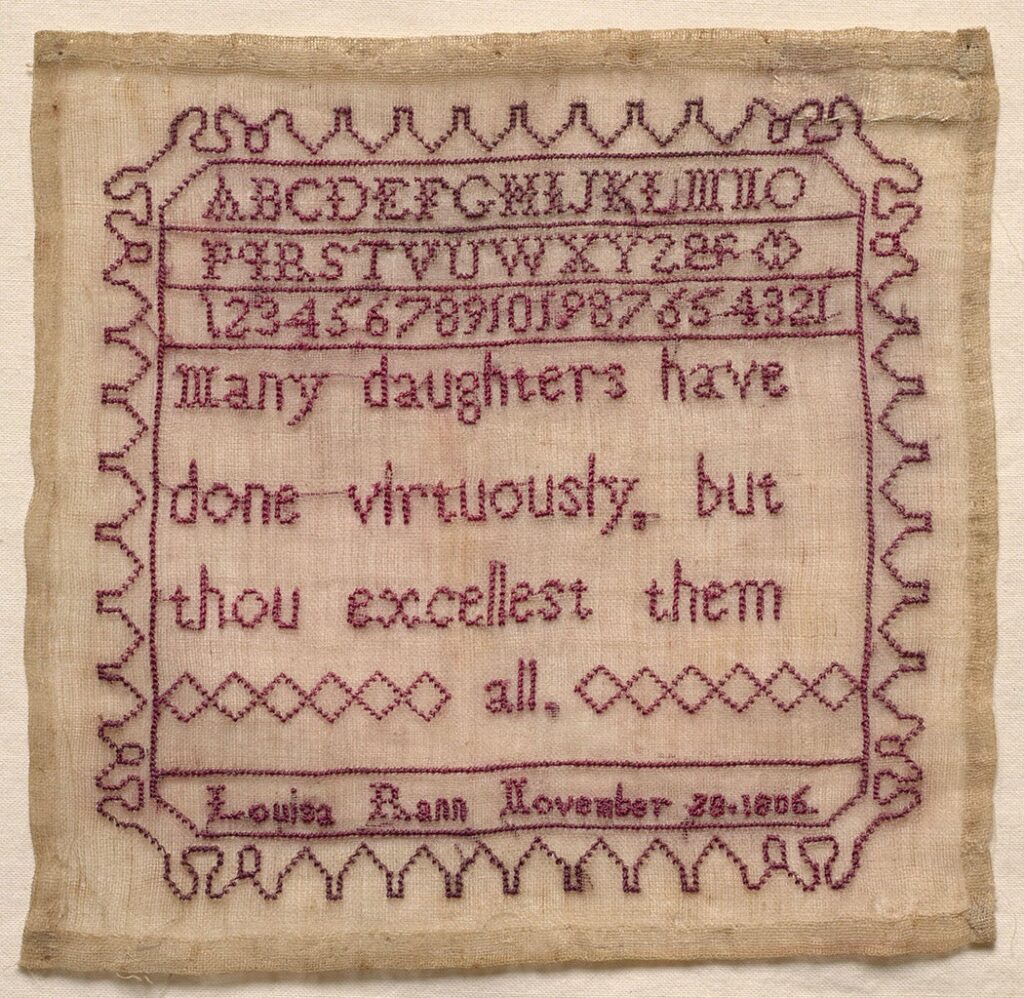
That visibility did not require women to defy every convention. Spinning carried religious associations with the virtuous wife in Proverbs who chooses wool and flax for her household. The Providence Gazette praised women spinners as “Daughters of Liberty” of “good reputation.” Abigail Adams drew on the same biblical language in 1774 when she wrote to her husband John about political tensions in Massachusetts: “As for me, I will seek wool and flax, and work willingly with my hands.” What neighbors recognized as a sign of piety could also be an act of political opposition.
What happened to the linen
Even worn-out linen had value. Papermakers used old shirts, sheets and tablecloths as raw material, so textile shortages also meant fewer rags for paper. The Declaration of Independence was drafted on flax paper in 1776 before being transcribed onto vellum. On October 18, 1779, an advertisement in The Massachusetts Spy sought linen and mixed cotton-and-linen rags, “be they ever so small.” Bookbinders valued the fiber for a different reason: its strength. Nearly every book printed in the thirteen colonies was stitched with linen thread.
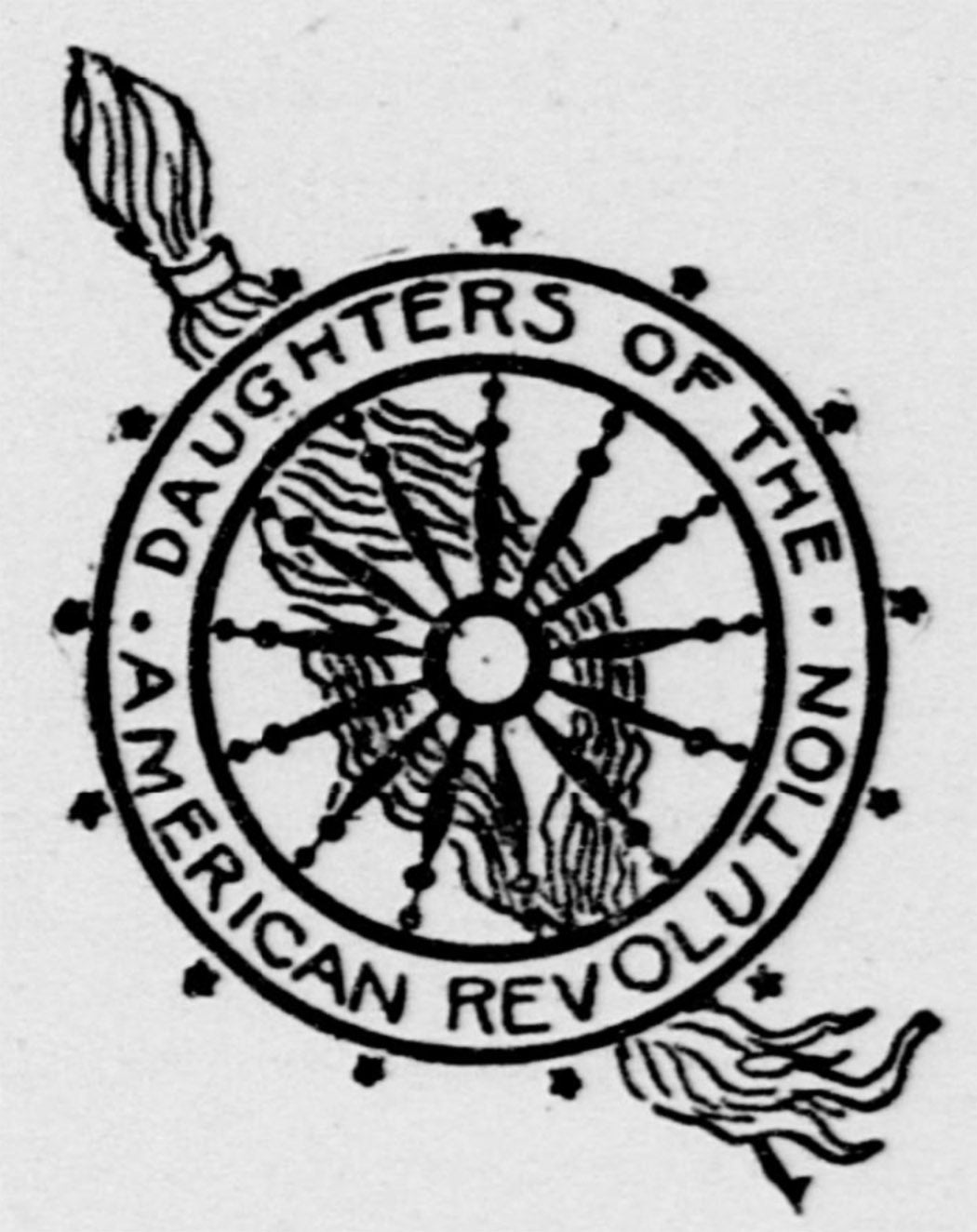
In the nineteenth century, cotton came to dominate American textile production through the use of the cotton gin, the exploitation of enslaved labor and changes in overseas markets. Linen production shifted toward industrial uses and luxury goods. The spinning wheel, meanwhile, survived as a political symbol. The Daughters of the American Revolution, founded in 1890, chose an insignia showing a wheel in front of a distaff filled with flax. It commemorated a specific contribution to the boycotts: women had made the cloth that allowed colonists to go without British imports.