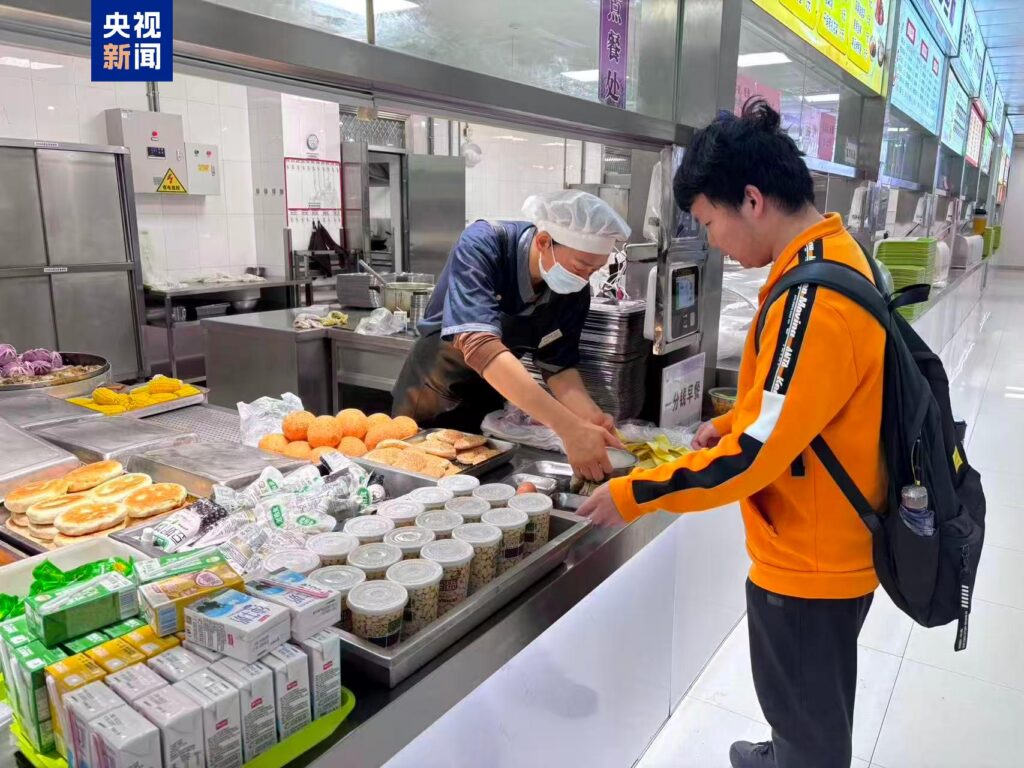
As reported on November 23, 2026, several universities in China were offering breakfasts for one cent of a yuan to encourage students to get up earlier and eat regularly. The schemes differ in who can participate, when breakfast is served and how it is funded.
Nanjing University of Science and Technology began its trial on October 19, 2026. Students can buy breakfast at designated campus dining-hall windows from 6:30 to 7:00 a.m. Liu Dongsheng, director of the university’s logistics service center, said the school supplies 150 meals a day and sells about 120. He said demand had risen from a few dozen meals a day to more than 100, but the scheme was still a trial. At 150 meals a day, he estimated its annual cost at 300,000 yuan; the university would seek dedicated funding if participation grew.
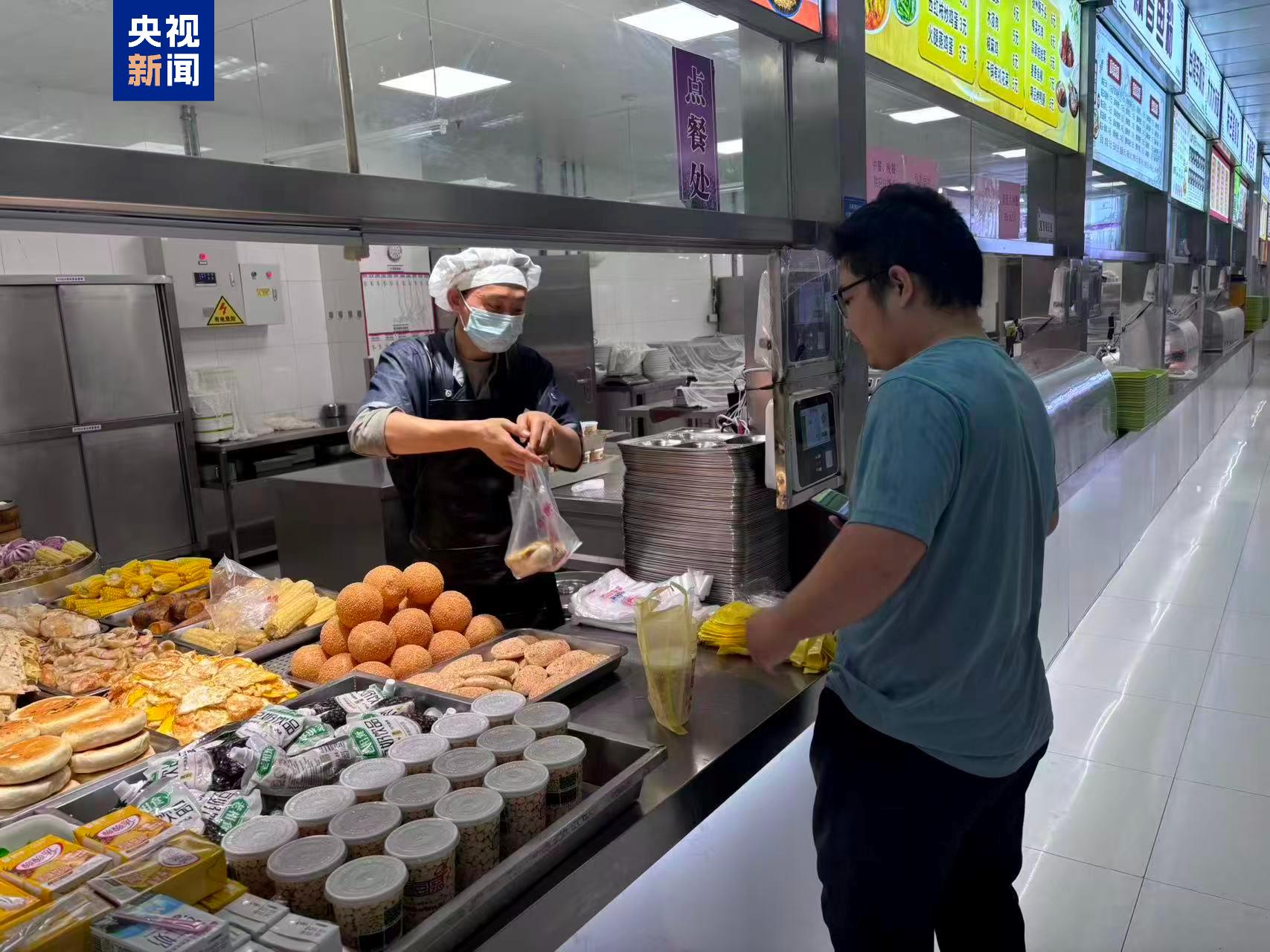
At Nanjing University of Chinese Medicine, the offer covers three campuses on weekdays, excluding statutory holidays, from November 16, 2026, to January 8, 2027. Service begins at 6:30 a.m., with five meal combinations available.
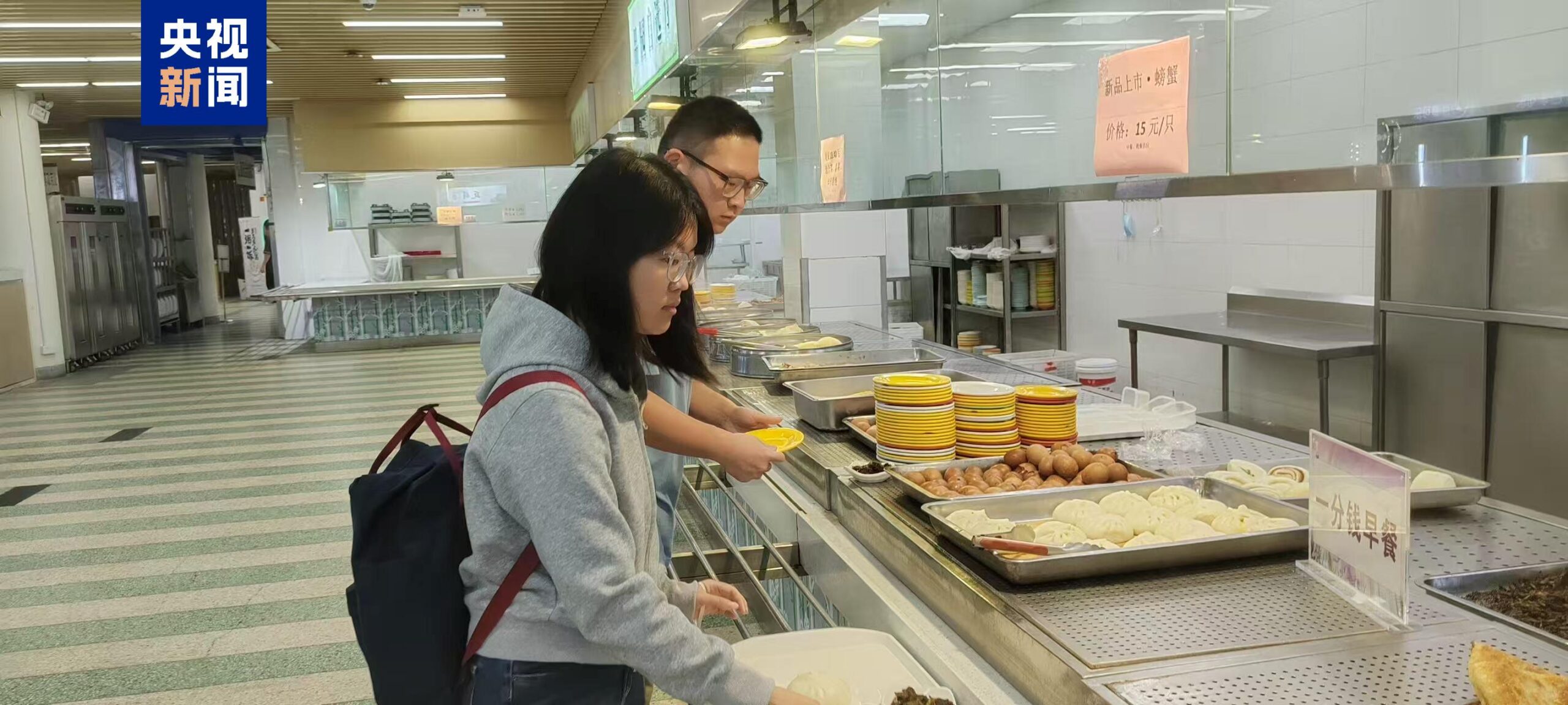
Anhui Institute of Information Technology was offering 300 subsidised breakfasts a day through the end of 2026 to students who met its morning-running requirement or provided a registration screenshot for civil-service or postgraduate entrance exams. Eligible students pay one cent with a campus card; the school covers the remaining cost, approximately four yuan per meal.
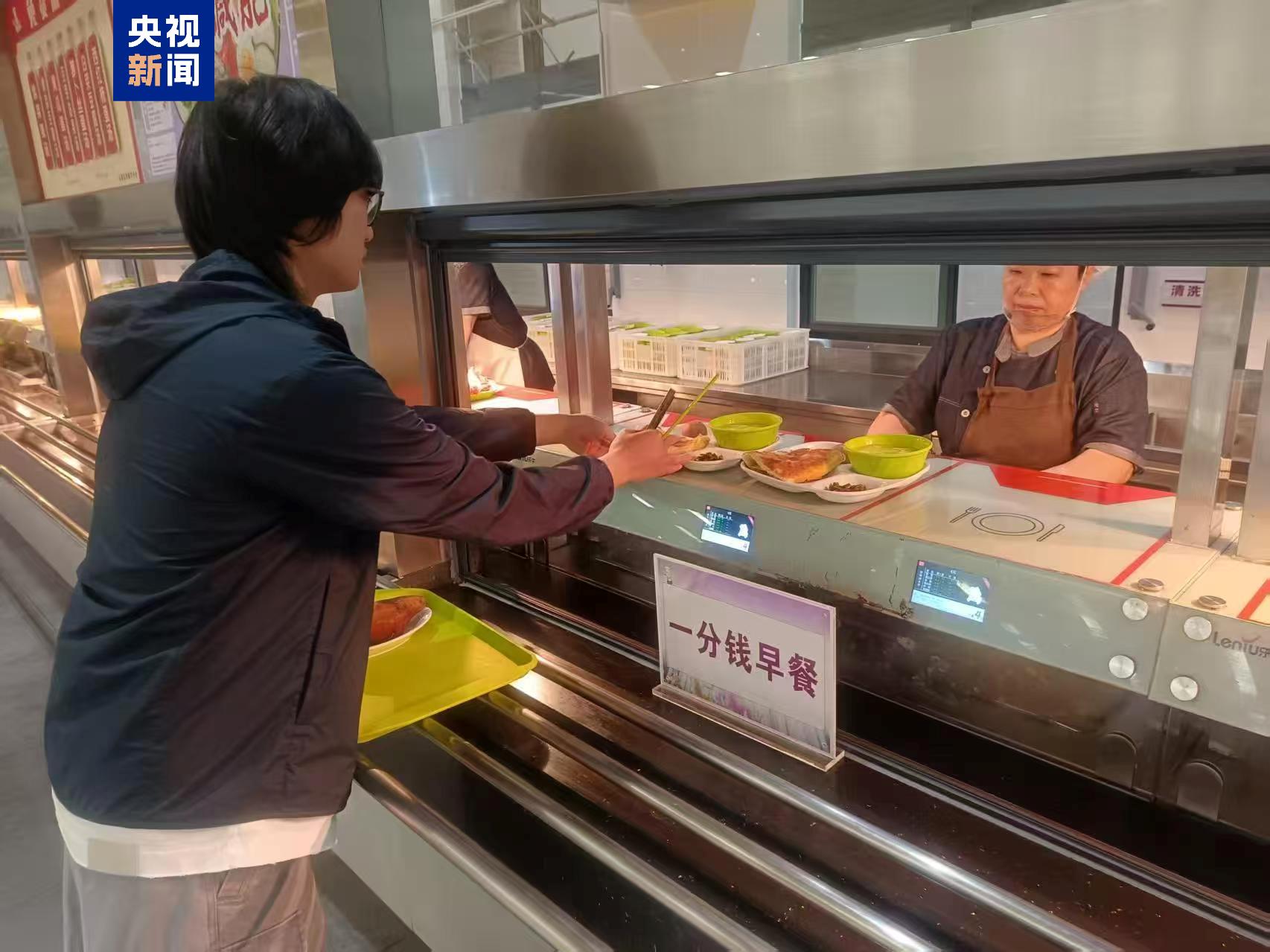
China University of Mining and Technology has run a similar scheme since February 24, 2025. Shao Bo, a university official, said it serves about 200 students a day during its 6:30–7:00 a.m. window and had recorded approximately 63,500 visits since launch. He said the university sets aside two million yuan annually in a fund that subsidises the breakfasts, and that he had noticed more students studying early in the morning.
The reported uptake shows that students are using the offers, but it does not establish a lasting change in sleep habits. Chu Zhaohui, a researcher at the National Institute of Education Sciences, said breakfast can provide an incentive but needs to be paired with other measures that help students understand healthy and effective routines.