A missing chicken dinner was not, by itself, the cause of a coup in ancient Qi. In an account published on November 22, 2026, an essay on the Zuo Zhuan examines how a change to two nobles’ meals became a warning that their political standing was in danger.
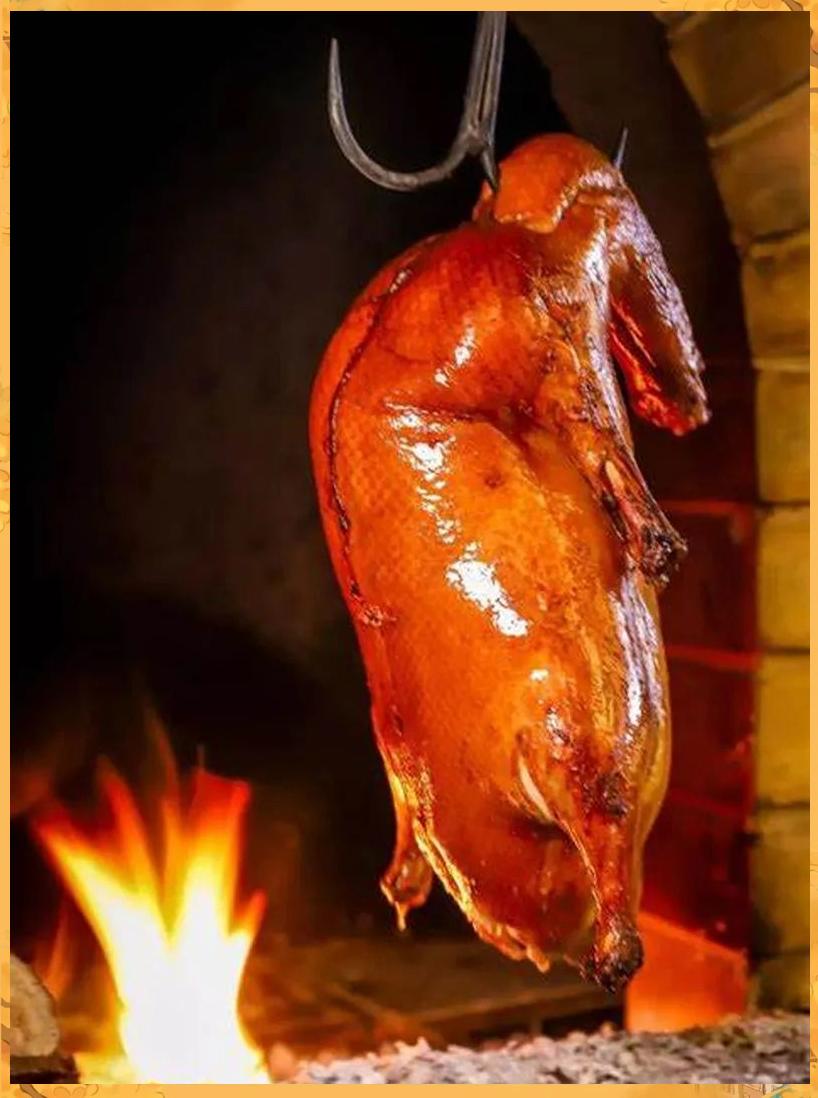
The episode took place around 545 BCE, when Qing Feng’s family dominated the government of Qi. According to the Zuo Zhuan, Gongsun Zao, also called Ziya, and Gongsun Chai, also called Ziwei, were each entitled to two chickens a day from the public kitchen. A kitchen official secretly substituted ducks. When a server discovered the change, he removed the meat and served the two men only duck broth. They were angry.
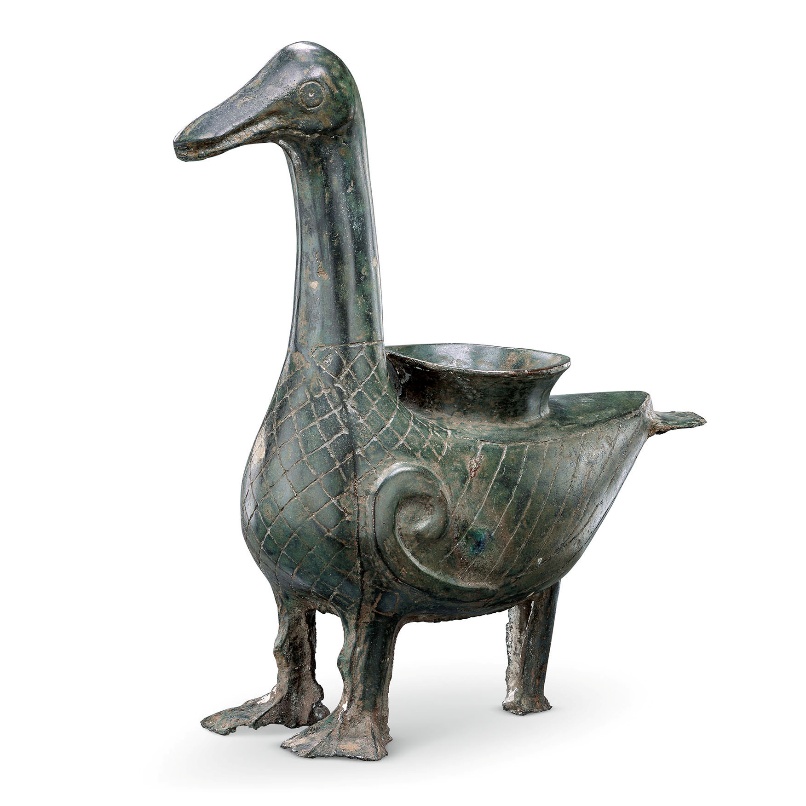
The essay reads the substitution as more than a disappointing meal: an official had disregarded the prescribed treatment of two high-ranking men. It places the incident amid a struggle already under way against Qing Feng’s family. Qing Feng’s associate Lupu Pie (卢蒲嫳) subsequently spoke of attacking the two men, and Qing Feng signaled to other leading figures that he intended to act against them.
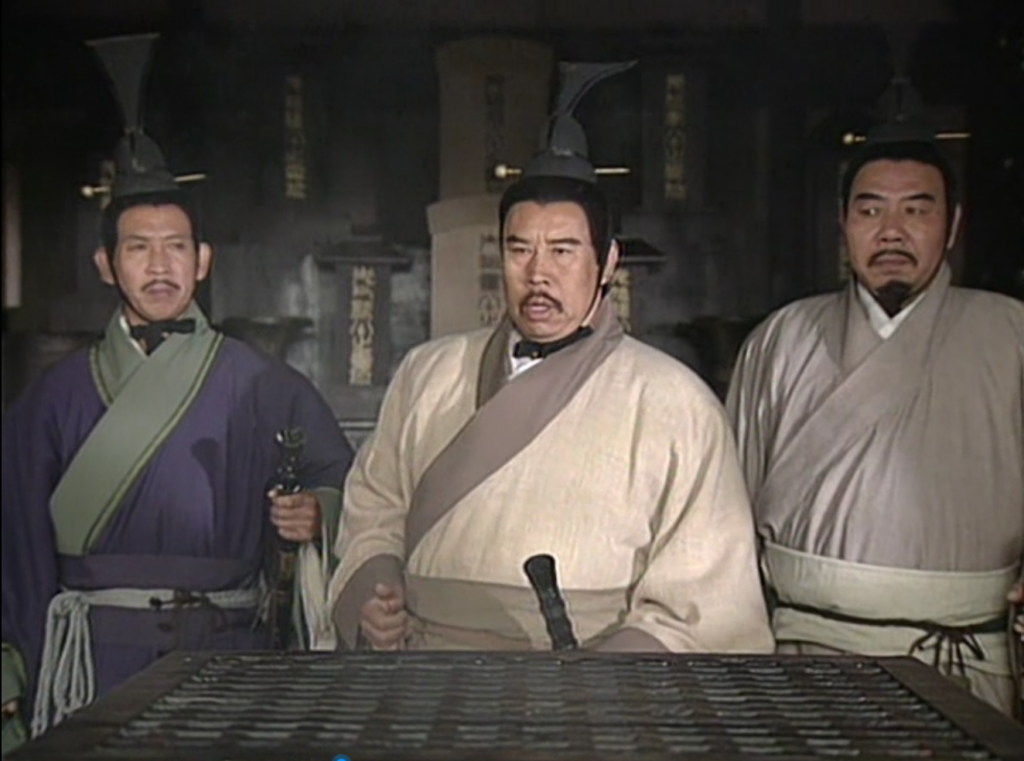
Gongsun Zao and Gongsun Chai joined forces with members of the Chen and Bao families and with Lupu Gui (卢蒲癸) and Wang He. Lupu Gui was a different person from Lupu Pie. Although Qing Feng’s son Qing She trusted Lupu Gui and Wang He as guards, the two were plotting against his family.
The conspirators chose a temple sacrifice in the eleventh month to strike. The Zuo Zhuan account describes how attendants drew Qing She’s armed followers away from the temple while the conspirators’ supporters took their discarded armor. Lupu Gui and Wang He then attacked Qing She inside. After his death, the coalition seized control in Linzi. Qing Feng, who had been away hunting, failed to retake the city and fled Qi.
The essay also asks why replacing chicken with duck would have mattered. It cites early texts that accorded chicken a place in elite meals and ritual practice, while treating duck differently. Its further suggestion that duck’s taste or preparation helped explain that distinction is an interpretation, not an established motive for every person involved. In the coup narrative, the crucial point is the breach of an expected entitlement—and what it appeared to reveal about power in Qi.